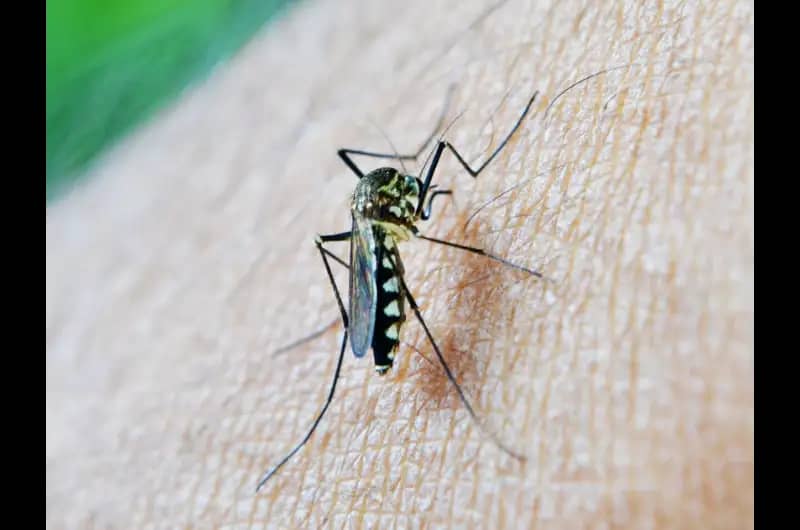
WHO Warns Malaria Deaths Rose in 2024 — Funding Cuts, Drug Resistance Threaten Gains
New York/Kampala
The World Health Organization (WHO) released its 2025 Malaria Report today, revealing that 2024 saw an estimated 282 million malaria cases and 610,000 deaths — a worrying increase from the previous year.
While new tools — dual-ingredient insecticide-treated nets, seasonal chemoprevention, and expanded vaccine coverage — helped save an estimated one million lives in 2024, progress remains fragile. The WHO raised alarms on growing drug and insecticide resistance, declining funding, and climate change — factors that together threaten to reverse decades of hard-earned gains.
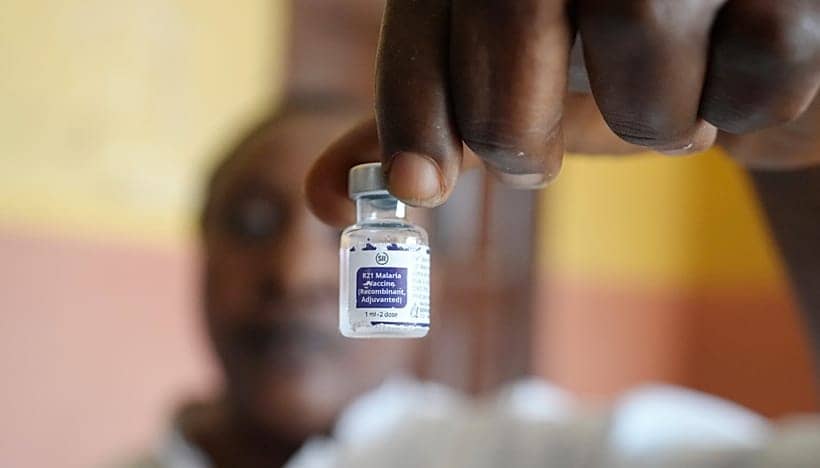
The African Region remains the hardest hit, accounting for roughly 95 % of malaria deaths — especially among children under five. Several endemic countries have reported rising resistance to artemisinin-based treatments, while some mosquito populations no longer respond to standard bed nets, reducing the effectiveness of core preventative measures.
The WHO warns that unless global funding is urgently restored — aiming for at least US$9 billion annually — and new tools developed, the world risks a resurgence of malaria on a catastrophic scale.
Why it matters:
For countries like Uganda, where malaria remains endemic, this global setback could translate into more cases and deaths — especially among children — unless prevention and treatment efforts scale up. The warning underscores the fragile nature of global health gains and the urgency of sustained commitment.
What to watch for:
Government and donor responses, especially increased funding or new malaria-control programmes.
Rollout speed of new nets, vaccines, and chemoprevention in high-burden countries.
Reports of drug resistance or treatment failures — especially in Africa.
Climate change impacts and habitat shifts that may expand mosquito ranges into new areas.