
“We Were Shutting Down to Survive”: Inside the Kampala Traders Strike and the Future of City Market Life
Kampala,Uganda
On a grey morning in downtown Kampala, long before the swells of boda-bodas buzz across the junctions and before the first matatu conductors start shouting destinations into the roar of traffic, the market roads usually breathe with their own rhythm. Metal shutters rise. Women stack tomatoes into neat pyramids that defy gravity. Tailors sweep floors clean of yesterday’s threads. The city wakes because its traders wake it.
But this time, the shutters stayed down.
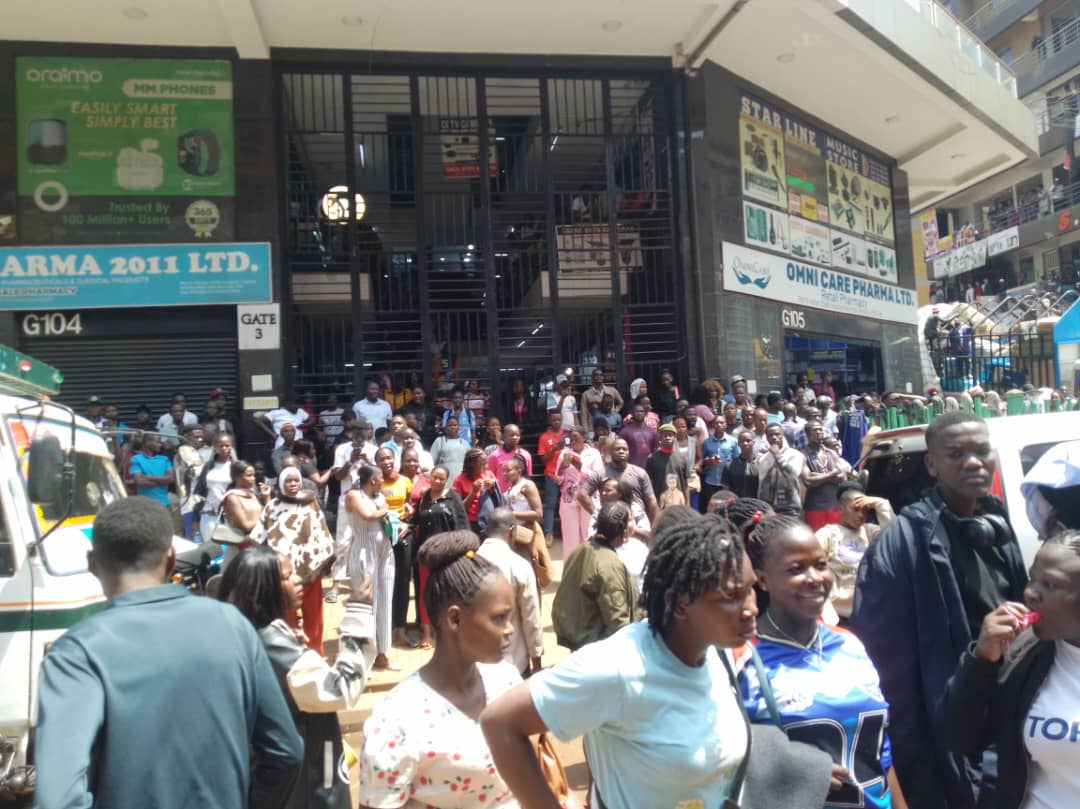
Kikuubo Lane — the tight artery where Kampala’s wholesale economy pumps hard every day — fell silent. The usual shoulder-to-shoulder crowds dissolved. There were no loud bargaining quarrels, no vendors leaning over sacks of rice, no perfumed cloud of frying chapati from makeshift kiosks. Just stillness. Just waiting.
“We didn’t close because we wanted to fight,” says Grace Nankunda, 34, who sells baby clothing imported from Kenya and Dubai. She stands behind her stall now, restocking folded shirts, her hands moving quickly and precisely. “We closed because we were suffocating. You cannot sell when there is no money. You cannot make profit when taxes swallow you. We were shutting down to survive.”
The traders’ strike — the most unified Kampala has seen in years — was not a moment of protest born in a vacuum. It was a climax.
The Breaking Point
Multiple pressures converged:
Market licensing fees rising faster than daily incomes.
Import taxes and new electronic invoicing systems that traders say were imposed without adequate consultation.
Last month’s heavy floods, which destroyed stock in Owino, Nateete and Katwe, leaving small traders with debts and no inventory.
Inflation squeezing everyday buyers, reducing sales.
“The flood took my entire shop,” says Abu Kiseeka, a shoe seller in Owino Market. “Leather shoes, sports shoes, school shoes — all gone. The water rose like it was angry. I waited for someone from government to tell us what next. Silence.”
He lifts his foot and taps the concrete where his stall used to stand. His inventory now fits into three sacks.
The traders say compensation was promised, but procedures were unclear, and the losses kept accumulating interest in banks.
The Strike That Stopped the City’s Pulse
On the first morning of the strike, messages and warnings moved like electricity through WhatsApp groups:
“Close your shops.”
“This time we stand together.”
In Kampala’s markets, solidarity is usually fragile — competition and survival shape many decisions — but this time something was different. Even traders who rarely engage in civic issues joined.
It wasn’t a riot. It wasn’t chaos. It was quiet. The quiet was the statement.
“We were saying: Without us, the city cannot function,” says Nankunda.
The President Steps In
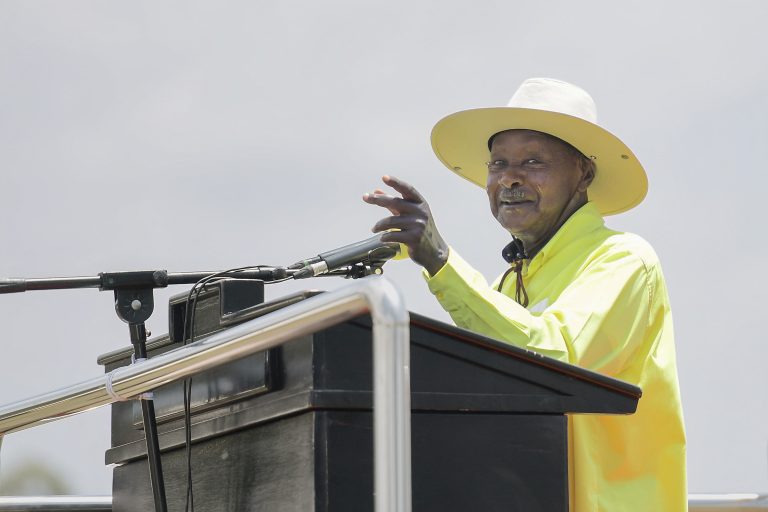
After three days of still markets and media attention, President Yoweri Museveni called for a dialogue with traders’ representatives. The announcement came like a held breath releasing — but not fully.
The strike was suspended.
Not ended.
Pauses are sometimes stronger than conclusions.
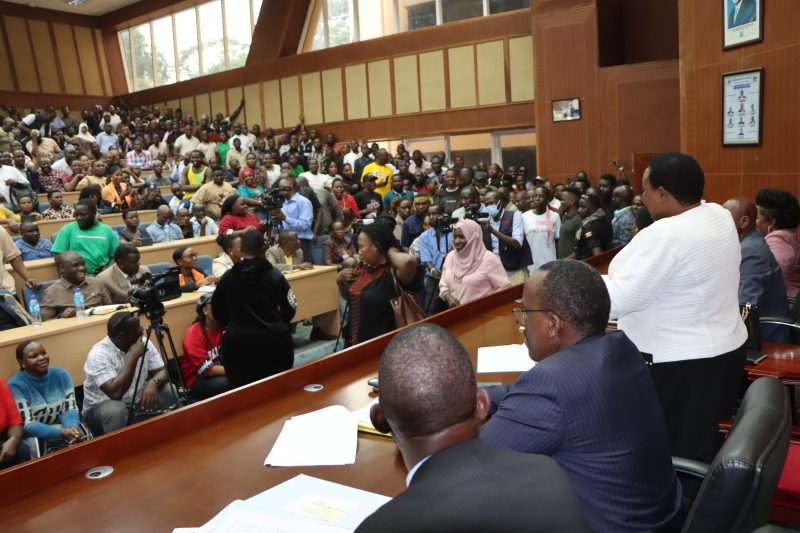
“We are ready to talk,” says Samuel Muwonge, a market association coordinator. “But this time, we want solutions that touch the ground — not the air.”
A City Built on Daily Hustle
Kampala’s traders are not simply shopkeepers. They are supply chain nodes, parents, importers, informal bankers, breadwinners, debt managers, and survival mathematicians.
Their work is day-to-day, hour-to-hour:
A bad week is hunger.
A flood is ruin.
A new tax without support is a slow collapse.
Markets are the circulatory system of the city. When they pause, the city gets lightheaded.
Trust, Tension, and the Negotiation Table
The upcoming talks are expected to include:
Compensation frameworks for flood-damaged goods
Review of licensing fees and tax procedures
Market governance and association roles
Price stabilization concerns
But beneath the policy language lies something more fragile: trust.
“We have been promised many things before,” says Abu. “Talks come, cameras come, then they leave us with nothing.”
Nankunda folds another shirt. “If the talks are real,” she says, “we will survive. If they are not, we will close again. And next time, it will be longer.”
The Mood in the Markets Now
Walking through downtown today, you can feel something almost electric — a cautious, alert optimism. The shutters are up again. Goods are back on display. Customers have returned in slow but steady trickles.
But there’s a watchfulness in the air.
A sense of unfinished business.
What Happens Next?
If the talks produce:
Transparent compensation,
Gradual tax implementation,
Traders included in decision-making,
then Kampala’s markets could stabilize — perhaps even modernize in ways led with traders, not at them.
If not?
The shutters will close again.
The silence will return.
And this time, the city will feel it even more.
“We didn’t close to protest. We closed to breathe.” — Grace Nankunda, clothing trader
Kampala traders suspended their citywide strike after President Museveni promised talks. Inside the markets, traders describe economic pressure, flood losses, and hope for real reform.


