UN Warns of Deepening Crackdown on Opposition and Media as Uganda Heads to 2026 Elections.
Kampala / Geneva
Less than two months before Uganda’s general election scheduled for January 2026, the United Nations (UN) has issued a stark warning over what it calls an “intensifying crackdown” on opposition groups and independent media. The UN human-rights office reports credible evidence that at least 550 individuals — many linked to the main opposition National Unity Platform (NUP) — have been arrested this year, with more than 300 detained since formal campaigning began in September.
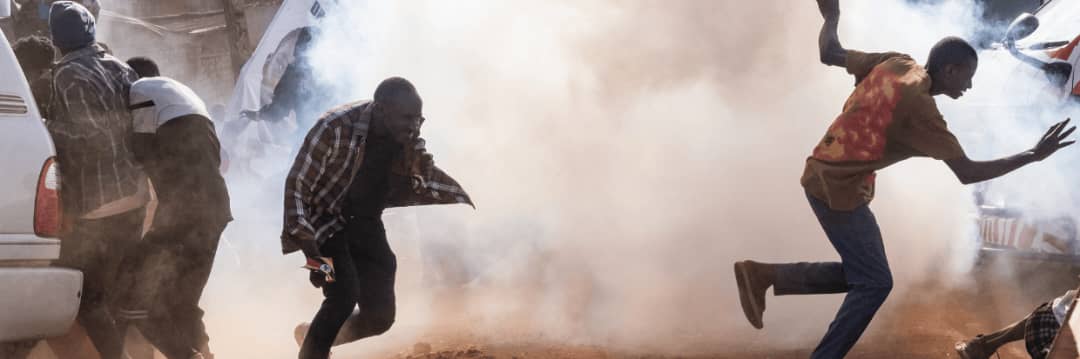
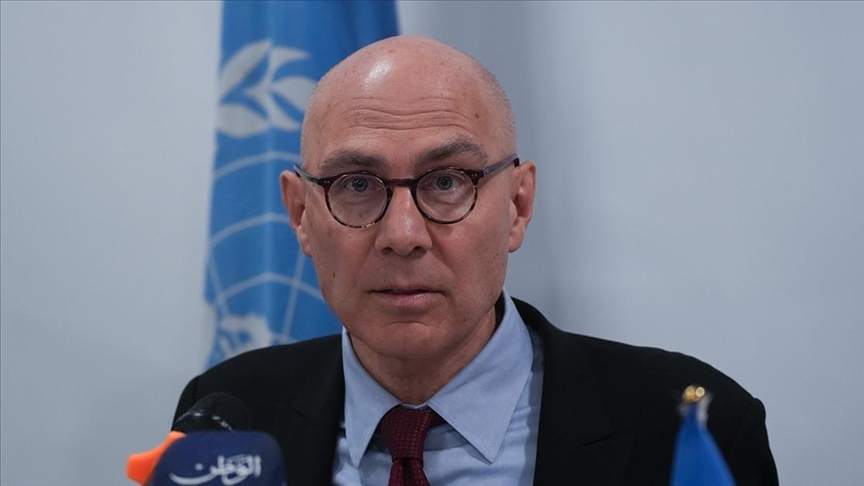
According to the statement from the UN High Commissioner for Human Rights, Volker Türk, security forces have used heavy-handed tactics at political rallies: live ammunition, tear gas, water cannon, batons, and other crowd-control measures. There are also widespread reports of arbitrary detentions, enforced disappearances, and secret detentions in unofficial “safe houses.”
Journalists and media organisations face increasing pressure: accreditation withdrawals, restricted access to cover political events, and intimidation — undermining freedom of the press just when voters desperately need reliable information.
Authorities have been urged to end these repressive tactics and to guarantee a fair, peaceful electoral environment for all parties and media actors. The UN call adds to mounting international concern about the legitimacy and human-rights climate in Uganda’s upcoming elections.
Why it matters:
Elections mark pivotal moments for democracy. If the crackdown persists, public trust in the electoral process — and in Uganda’s institutions — could be severely undermined. Restricting opposition activity and silencing media risks eroding democratic rights and could trigger domestic instability or international pressure.
What to watch for:
Whether Uganda’s electoral commission or judiciary intervenes to protect civil liberties or investigate alleged abuses.
Further reports of arrests, detentions, or media-barring, and international reactions.
Mobilisation of civil society, election observers, and diaspora advocacy groups.
Post-election human-rights assessments and whether promised transparency is upheld.