
Ultra-Processed Foods Fuel Global Childhood Obesity — Families in Uganda Among Those Struggling to Resist.
Kampala,Uganda
Worldwide, families are confronting a rising tide of ultra-processed foods (UPFs) in diets. This trend is creating health challenges — particularly among children, with obesity and lifestyle-related diseases on the rise. According to a broad analysis of families from countries including Uganda, Nepal, Kenya, and others, UPFs are increasingly replacing traditional diets of fresh, whole foods.
In Uganda, many parents interviewed described fast foods and instant snacks as aspirational — a status symbol in urban settings — making it harder for traditional meals to compete, especially among busy households and youth.
Health advocates warn that unless policies curb marketing and improve fresh-food access — particularly in schools and low-income neighborhoods — the long-term burden on public health systems could grow dramatically.

Why it matters:
Diet shapes public health futures. Rising consumption of ultra-processed foods threatens to deepen health inequalities, increase chronic diseases, and impose greater costs on families and national health systems — especially in rapidly urbanizing countries like Uganda.
What to watch for:
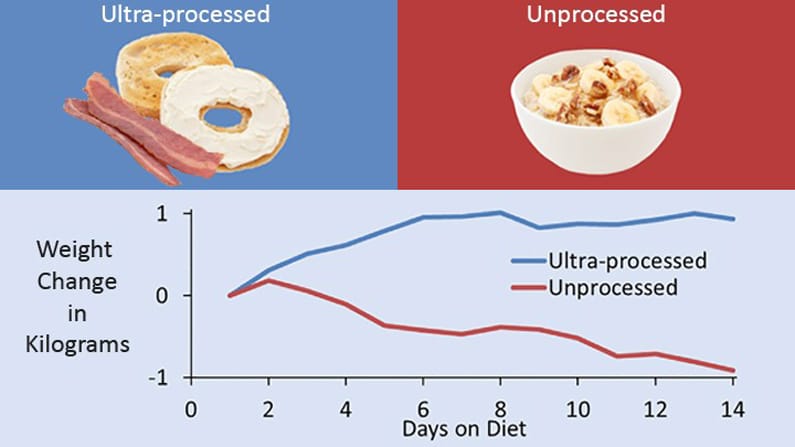
Government and school policies on food quality, nutrition standards, and marketing — especially for children.
Public-health campaigns promoting healthy eating and awareness of UPF risks.
Changes in food retail environments: accessibility of fresh produce vs processed snacks.
Data on obesity, diabetes and lifestyle diseases in Uganda over the next 5–10 years.