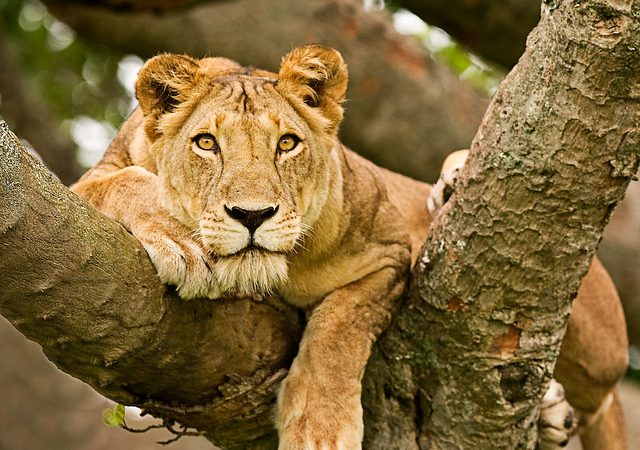
Uganda’s Wild Spaces Draw New Global Interest
Kampala,Uganda
Uganda’s natural landscapes and wildlife have again captured global attention, as stories emerge highlighting unique safari experiences and renewed interest in conservation-driven tourism. Recent reports describe immersive expeditions through national parks, primate forests, and conservation zones — underscoring that Uganda remains a compelling alternative to more crowded safari destinations.
What stands out in the latest travel narratives is Uganda’s evolving approach to tourism: a shift away from sensational “big game” tours toward authentic, respectful encounters with wildlife and wilderness. Safari operators place increasing emphasis on primates, birds, forest ecosystems, and eco-friendly lodges over mass tourism. This aligns with growing global demand for sustainable tourism and responsible travel experiences.
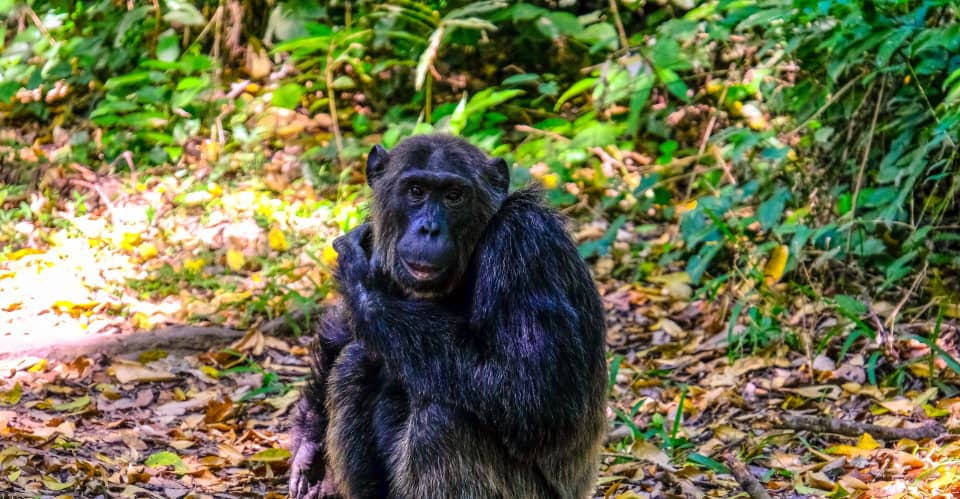
This renewed interest — domestically and internationally — could boost rural economies, generate jobs in hospitality and conservation, and encourage investment in protected areas and infrastructure. For Uganda, it represents not just economic potential but also a chance to reinforce environmental stewardship and wildlife preservation.
Why it matters
Tourism and conservation can become a sustainable pillar for Uganda’s economic diversification — reducing pressure on agriculture and urban jobs, while promoting nature-based income, cultural heritage, and international goodwill.
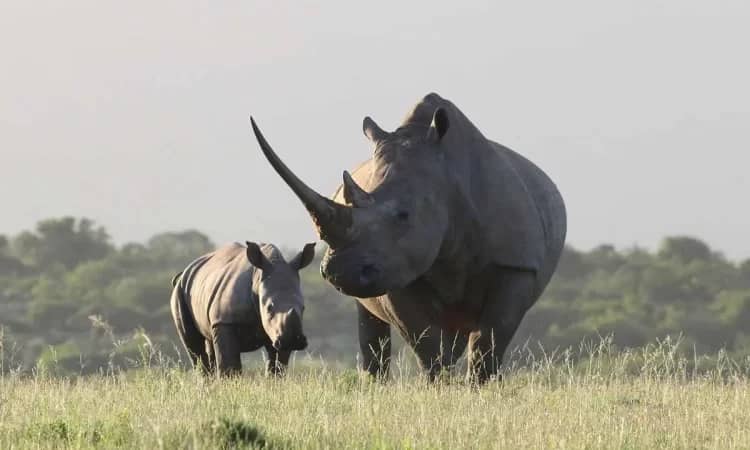
What to watch
Whether investments in infrastructure and conservation increase to support responsible tourism growth. Also, if Uganda capitalizes on global interest by marketing lesser-known parks, community-based tourism, and conservation tourism.
ttracting global travellers.”