Uganda’s Political Climate Intensifies as 2026 Elections Near
Countdown to 2026: Uganda’s Political Fault Lines Sharpen
What’s Happening
With general elections scheduled for 12 January 2026, Uganda’s political landscape is heating up. President Yoweri Museveni is running for a seventh term, placing him near five decades in power. His main challenger, Bobi Wine (leader of the National Unity Platform, NUP), has also confirmed his candidacy.
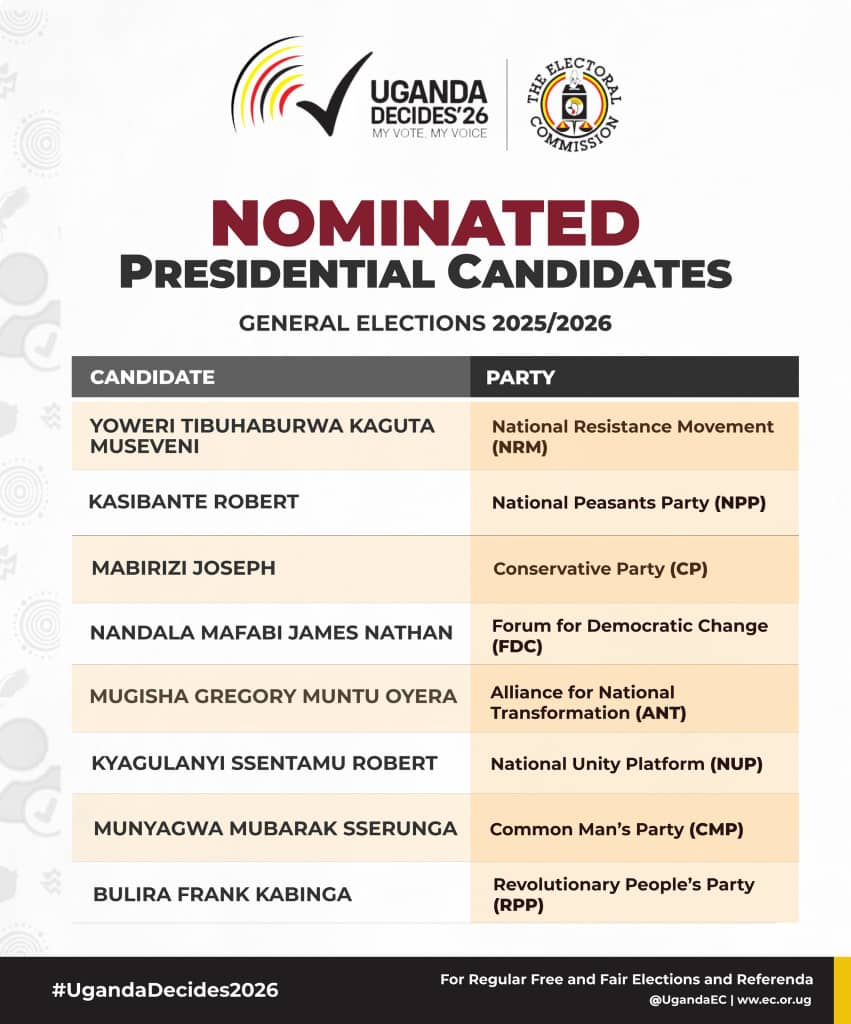
Meanwhile:
The Inter-Party Organisation for Dialogue (IPOD) recently got UGX 11.25 billion from government to support multiparty dialogue ahead of the elections.
But there’s controversy: legislative changes around party funding now limit government grants to IPOD member parties, and NUP is not part of IPOD, claiming the move marginalizes opposition.
Digital space is becoming a key battleground: there’s increasing state scrutiny, arrests, prosecution of online critics and regulation of platforms under Computer Misuse laws. Activists and rights bodies warn that vaguely worded offenses are being used to silence dissent.
Stakes & Tensions
Democratic integrity & fairness: With the ruling party creating or amending laws that affect electoral and political party funding dynamics, opposition parties argue the playing field is becoming more uneven.
Freedom of expression & civil rights: As digital expression comes under tighter regulation, rights groups warn this could intimidate critics or suppress grassroots mobilization.
Political violence / Safety: Though less documented in these latest reports, past elections have featured arrests, possible abductions, and security force involvement in opposition events. There is concern from both citizens and observers about security during the campaign period.
What to Watch
Whether IPOD-funded parties gain visibility advantages, and how NUP positions itself given its exclusion.
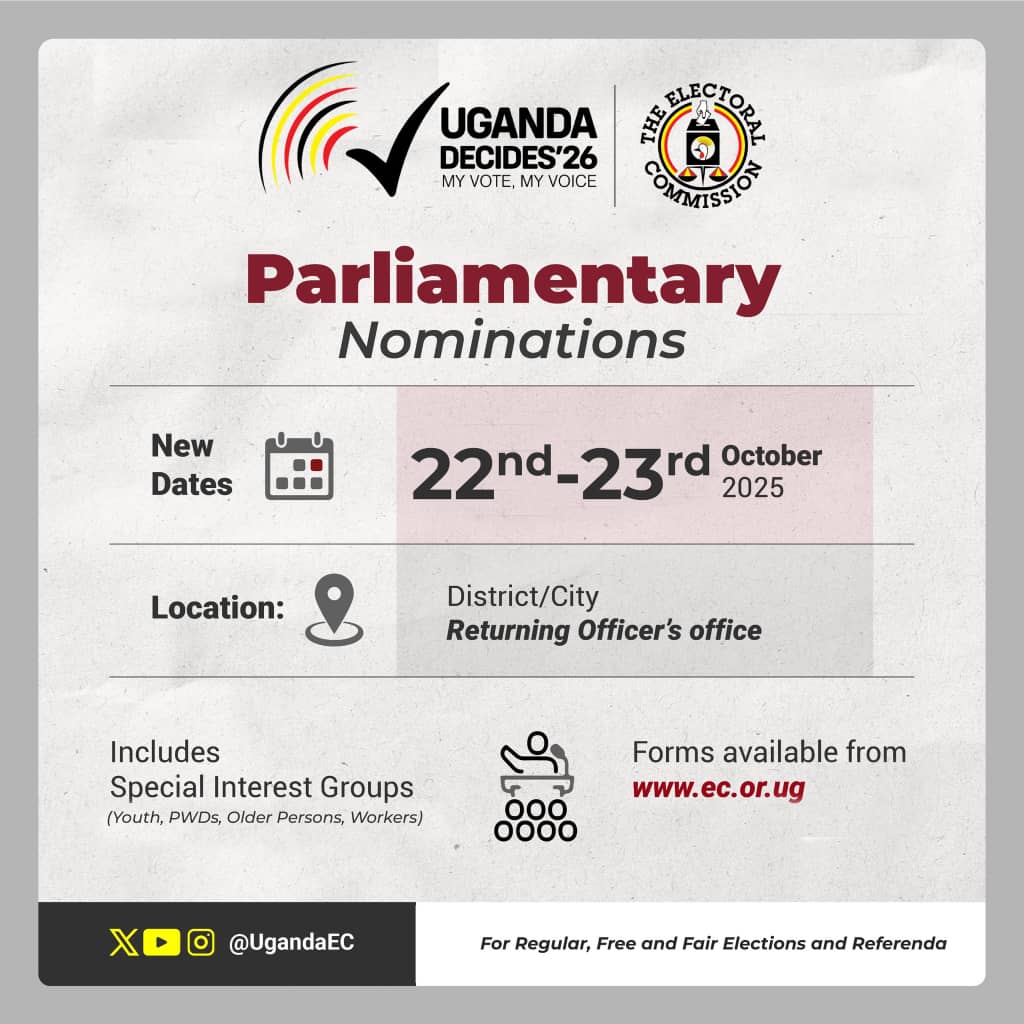
How the Electoral Commission handles voter registration, campaign regulation, and complaints of irregularities.
The evolution of laws/regulations affecting digital rights — whether they are tightened further or softened under pressure.
Government and opposition rhetoric over unity vs division; also whether external observers get access and whether Uganda’s election gets more international scrutiny.