Uganda’s Gold Boom Fuels Exports — But Weakens Shilling, Fueling Currency Instability.
Kampala,Uganda
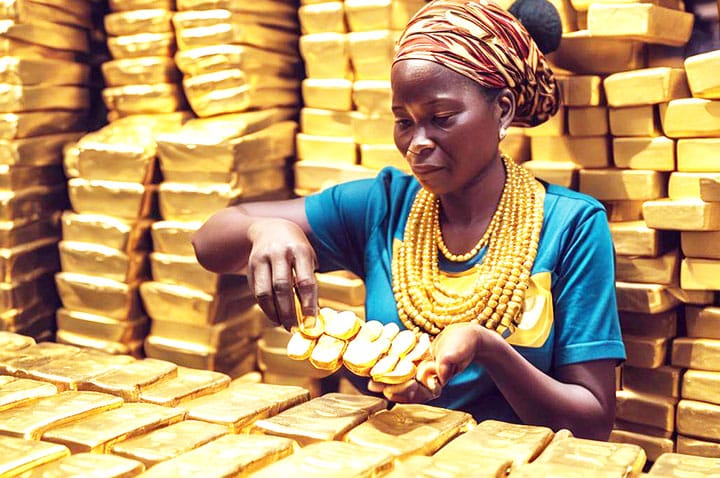
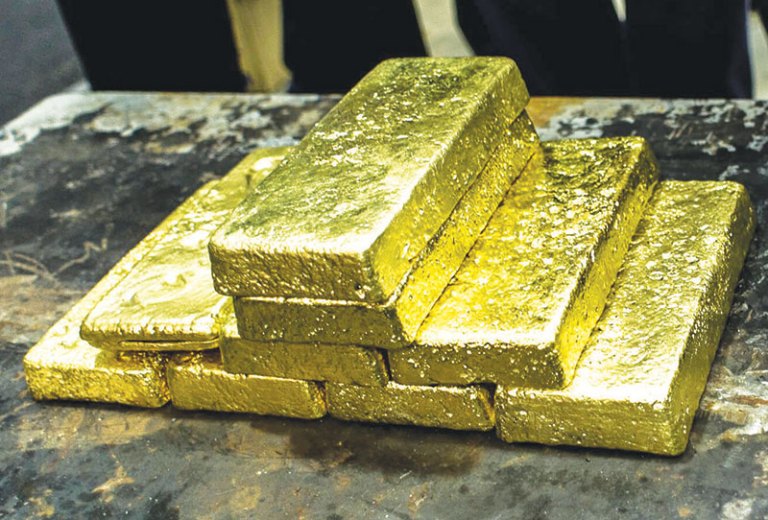
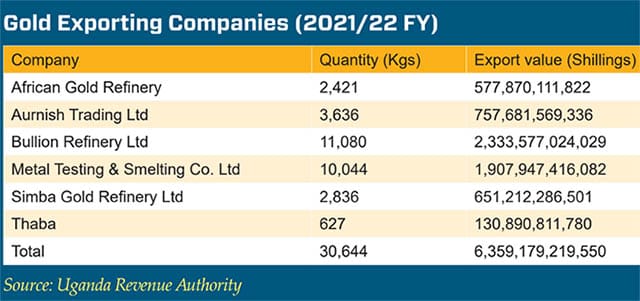
Uganda’s largest export — gold — has surged this year, reaching record levels. However, the rising value of gold exports is creating a paradox: instead of strengthening the currency as expected, the boom has contributed to weakening the Ugandan shilling.
Analysts point to several factors. A sharp rise in global demand for gold — especially from markets seeking safe-haven assets — has driven up export volumes and revenues. But much of the proceeds are reportedly being repatriated or held in foreign currency, limiting the inflow of hard currency into domestic markets. This, experts argue, fuels forex scarcity, depreciation pressure, and inflationary risks.
Small businesses, importers, and ordinary citizens feel the squeeze: the cost of imported goods rises, and savings in local currency lose value. Despite strong export figures, the macroeconomic benefits remain uneven unless exchange-rate management and foreign-exchange retention policies are reformed.
Why it matters:
Gold exports offer huge revenue potential. But if the gains don’t translate into stable currency, affordable imports, and predictable exchange rates, the benefits for everyday Ugandans and businesses can quickly evaporate.
What to watch for:
Government or central-bank measures to manage foreign-exchange inflows and strengthen the shilling.
Export-earnings repatriation policies or requirements tied to keeping foreign currency earnings within local banks.
Impact of forex volatility on consumer prices, imports and inflation.
How gold dependence affects diversification of Uganda’s export base over time.