Ugandan Debate Puts Opposition in the Spotlight as Museveni Declines to Appear
Televised showdown delivers rare Clash of Visions while President’s absence raises questions
Kampala, Uganda
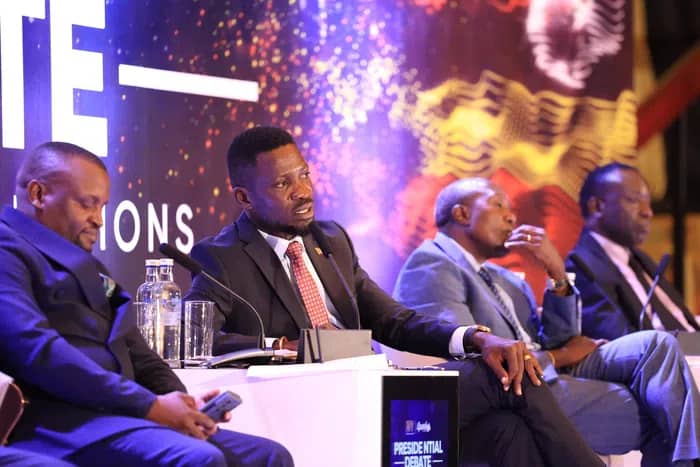
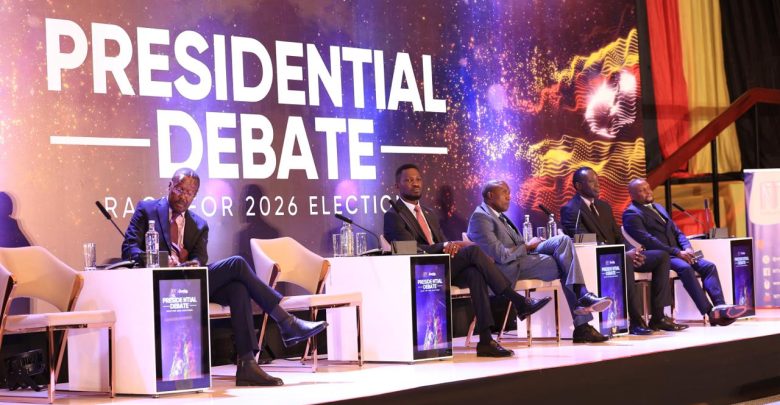
In a packed hall at Serena Hotel on Sunday night, Uganda’s presidential campaign entered a new, dramatic chapter. Five presidential hopefuls gathered under the glare of TV cameras for a live debate broadcast by NTV Uganda and Spark TV — a rare opportunity for citizens to hear opposition candidates outline their visions just weeks before the January 15, 2026 election. What made the event even more striking was the absence of incumbent Yoweri Museveni, a decision announced by his party days earlier.
From the moment lights came up and candidates assumed their seats under the red, black and white of the national flag, the tone was urgent. With Museveni missing, the debate quickly became more than a comparison of platforms — it turned into a referendum on the future of Uganda’s leadership. Opposition figure Robert Kyagulanyi Ssentamu (better known as “Bobi Wine”) captured this contrast when he declared: “Museveni is not here because he is in the past, and we are discussing the future.” Others framed their proposals around economic revival, decentralised governance, youth opportunity and systemic reforms — seeking to draw a sharp line between the status quo and what a new government could deliver.
Security, civil liberties, economic hardship and institutional trust dominated much of the conversation. Multiple candidates raised concerns about policing, citizen rights and fairness as the campaign continues, emphasising the need for a fresh start for Uganda’s governance. The atmosphere suggested that for many voters, this debate wasn’t just about who has ideas — but who can promise real structural change.
Political watchers say the debate’s significance goes beyond tonight’s speeches. With the key figure of Museveni absent, the opposition gained a rare moment of national exposure. For a country approaching potentially transformative elections, the televised showdown provided a sample of what alternative leadership could look like — but also underscored the precariousness of Uganda’s political landscape and the uncertainty still ahead.
As the debate concluded — and without a clear frontrunner — viewers were left pondering whether any of the contenders has the coalition, policy clarity, and popular appeal to steer Uganda into a different future. For now, the stage is set, and the race continues. Urban Gazette will follow up with in-depth candidate profiles, fact-checks and watchdog reporting ahead of election day.
Why This Debate Matters
This debate represents one of the few moments in Uganda’s 2026 election cycle where multiple presidential candidates share a single stage — offering voters a side-by-side comparison of their ideas at a time when campaign rhetoric otherwise tends to dominate through rallies and press releases. In a country where media access and political pluralism have often been contested, such a public forum provides rare clarity about policy differences and leadership approaches.
Because the incumbent refused to participate, the debate has also reframed the narrative of this election. Rather than a contest between a long-serving president and challengers, the public conversation has shifted toward a broader question: what kind of change do Ugandans want, and who among the challengers can realistically deliver it? That shift could influence the tone of the overall campaign, energise voters looking for alternatives, and pressure institutions to uphold fairness and transparency.
Moreover, by putting issues like youth employment, economic reforms, security, decentralisation and civil liberties into the spotlight, the debate forces these matters into the national agenda — giving civil society, youth groups and ordinary citizens a clearer sense of what’s at stake. In some ways, the debate functions as a public barometer of national mood: it surfaces frustrations, hopes and demands at a critical turning point.
Finally, the fact that such a debate is happening at all — after years of limited structured public political dialogue — could mark a modest strengthening of democratic norms in Uganda. If followed by consistent public engagement, fact-based reporting, and institutional oversight, this moment might contribute to long-term expectations of accountability and open political contestation.
What to Watch For Next
In the days ahead, a key question will be whether any of the challengers attempt to formalise alliances or coalitions. With multiple opposition figures on stage, a united ticket (or at least coordinated cooperation) could dramatically alter the dynamics of the vote. Observers will be watching statements from individual parties and follow-up meetings to see if any consolidation begins to take shape.
Another critical area to monitor is how the incumbent’s supporters and state institutions respond. Will the absence of Museveni from the debate set a precedent — or will there be efforts to delegitimise the debate’s importance? Government and party reactions, media coverage tone and potential pushback or marginalisation of the debate’s outcomes could signal how open the post-debate environment will be to free debate and political competition.
Citizen response — especially among youth and first-time voters — will also be telling. Uptake of the candidates’ proposals, whether those translate into grassroots mobilisation, and whether social media or community organising begins to reflect real engagement or revert to personality-driven polarisation will provide early gauges of whether this debate has real impact.
Finally, all eyes will be on any follow-up debates planned by media outlets or civil-society groups and how inclusive and impartial those will be. The success, legitimacy and fairness of future debates, along with sustained coverage and fact-checking, can determine whether this moment becomes a one-time spectacle or the start of a more open electoral culture in Uganda.