Uganda secures US$ 800 million deal with Islamic Development Bank to boost Infrastructure & Trade Links
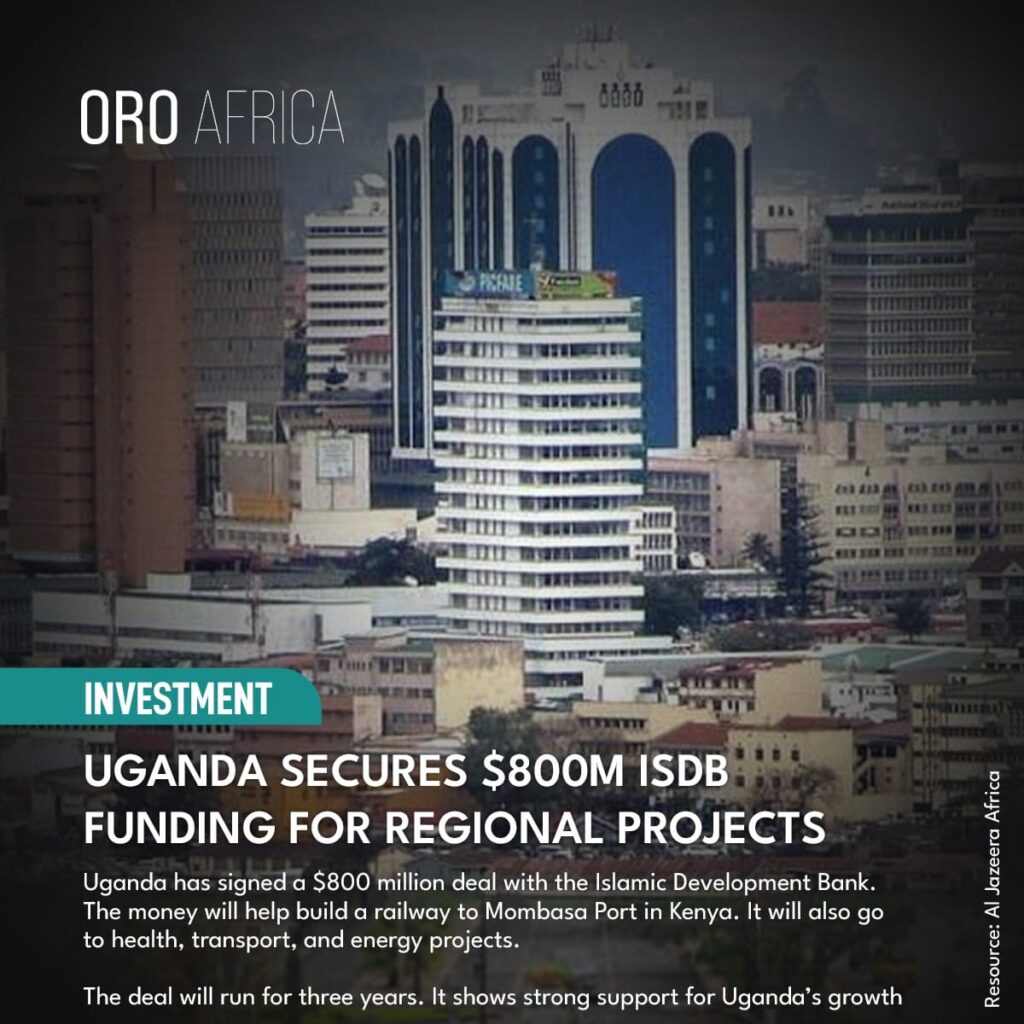
KAMPALA , UGANDA. In a major international financing breakthrough, Uganda has signed a US$ 800 million deal with the Islamic Development Bank (IsDB) to fund a suite of development projects, spanning transport, health, energy and trade infrastructure.
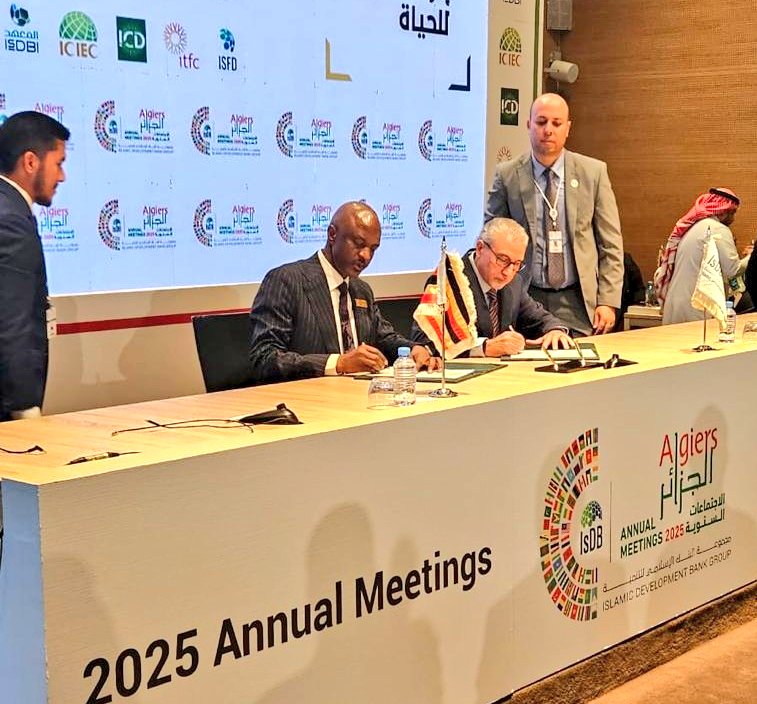
The agreement, signed during the annual IsDB meeting in Algiers, will see Uganda’s finance ministry and the bank commit the funds over a three‑year period. A key element of the deal is the development of a railway link connecting Uganda to Kenya’s modern Standard Gauge Railway, offering Uganda land‑locked access to the Indian Ocean port of Mombasa.
Other earmarked investment areas include upgrades to the health sector, transport corridors, power generation, and logistics infrastructure. For Kampala, the deal signals a push to reduce isolation, cut transport costs and integrate more deeply into regional trade flows.
At the same time, the deal comes with elevated expectations: delivery timelines, efficient governance and ensuring that the infrastructure built truly supports trade and inclusive growth. Uganda’s public‑sector capacity, oversight and maintenance infrastructure will be under scrutiny as these large‑scale investments roll out.
Why it matters
For Uganda, the injection of US$ 800 million is a major capital boost that can accelerate infrastructure development, and consequently economic growth and trade competitiveness.
For Kampala’s urban economy and business community, improved rail and transport links mean lower logistics costs, faster goods movement and potential new business opportunities.
Regionally, the deal strengthens East Africa’s connectivity – a land‑locked Uganda gaining better access to the sea means a shift in trade dynamics in the region.
It highlights how international finance institutions are playing an active role in African infrastructure—meaning Uganda must meet standards of accountability, sustainability and return on investment.
What to watch
Which specific transport and rail projects are launched first, and how quickly they move past planning into construction.
Whether Uganda’s institutions deliver on governance, procurement transparency and maintenance frameworks – large loans can become burdens if poorly managed.
The impact on cargo costs, logistics firms and trade volumes: will rail link to Mombasa reduce cost/time meaningfully?
Whether this deal spurs complementary investments (private sector, local content, urban logistics hubs around Kampala) or whether benefits remain concentrated.