Uganda and World Food Programme Launch Special Registration Plates for Humanitarian Aid Vehicles
New system aims to speed emergency food and relief deliveries by reducing border delays and improving identification of humanitarian vehicles
KAMPALA, UGANDA
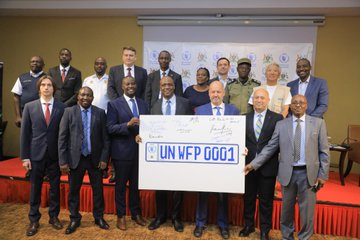
Uganda and the United Nations World Food Programme have launched a new special vehicle registration plate system for trucks and vehicles that supply humanitarian assistance, marking a major step toward faster and more efficient delivery of food and emergency aid across the region. The initiative is designed to give clearly identifiable status to vehicles engaged in relief operations, allowing them to move more smoothly through checkpoints, borders and security verification processes during emergencies.
The launch reflects growing pressure on humanitarian systems as climate shocks, conflict and displacement continue to strain food and aid delivery networks across East and Central Africa. Delays caused by complex border procedures, vehicle verification and inconsistent documentation have long slowed the movement of food and critical supplies to vulnerable communities. The new registration plates are intended to solve this problem by creating a standardized, verifiable identity for humanitarian vehicles operating under World Food Programme-supported missions.
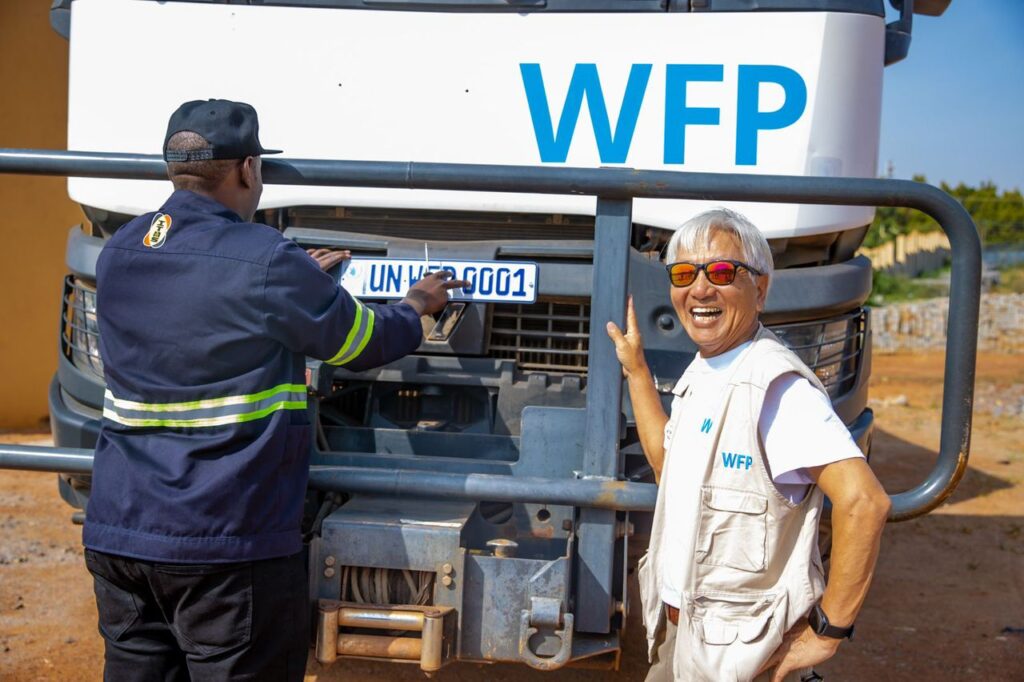
Under the new arrangement, vehicles dedicated to the transport of food and relief items will be issued with distinctive license plates that are recognized by Ugandan authorities and linked to official humanitarian operations. These plates are integrated into national vehicle monitoring and transport security systems, allowing enforcement agencies to confirm the legitimacy of aid vehicles quickly and reduce the risk of diversion, fraud or misuse. The system also strengthens traceability and accountability in the movement of humanitarian cargo.
Uganda’s selection as the launch country highlights its strategic role as a regional logistics and humanitarian hub. The country hosts large refugee populations and serves as a key transit corridor for aid supplies destined for South Sudan, the Democratic Republic of Congo, Sudan and other crisis-affected areas. By formalizing a special registration framework, Uganda is positioning itself as a center for coordinated, faster disaster response and humanitarian supply chains.
For the World Food Programme, the new plate system represents a shift toward more technology-driven logistics in humanitarian work. The organization has increasingly invested in digital tracking, fleet management and data-linked identification to reduce waste, prevent delays and improve operational transparency. The special plates are designed to work alongside electronic tracking and customs systems, allowing relief convoys to be processed more rapidly without compromising security checks.
Why It Matters
This initiative matters because speed is critical in humanitarian emergencies. When drought, conflict or floods strike, delays of even a few hours can mean the difference between life and death for vulnerable populations. The special registration plates reduce administrative barriers, limit repeated inspections and minimize confusion at borders. Faster movement of supplies means that food, medicine and shelter materials can reach people in crisis before conditions worsen.
The system also increases accountability in humanitarian operations. Clearly marked, traceable vehicles make it easier to ensure that aid reaches its intended destinations and reduces the risk of theft or diversion. This strengthens public trust in relief operations and improves coordination between governments, international agencies and local authorities.

In addition, the initiative supports regional economic and institutional development. By hosting and managing this system, Uganda is expanding its role in regional logistics, creating technical expertise, jobs and infrastructure that can also benefit commercial supply chains over time.
What to Watch
The success of the special registration plates will depend on whether neighboring countries formally recognize and honor them at their border points. The speed with which regional agreements are signed and implemented will determine how effective the system becomes beyond Uganda’s borders.
Another key issue to monitor is how well the technology performs at scale. The reliability of tracking systems, the resistance of plates to counterfeiting, and the capacity of border officials to use the new tools will influence long-term success.
Observers will also watch how this system affects real delivery times on major humanitarian corridors. Evidence that aid trucks are moving faster and with fewer stops will be the strongest proof that the initiative is achieving its goals.