Uganda and Kenya Green-Light 193km Expressway to Boost Cross-Border Trade
The $1.5 billion project aims to ease transport bottlenecks along the Northern Corridor and strengthen East Africa’s economic integration.
Regional | Infrastructure | Business
Tags: #Uganda #Kenya #Infrastructure #EastAfrica #Trade #Transport
🚧 Overview
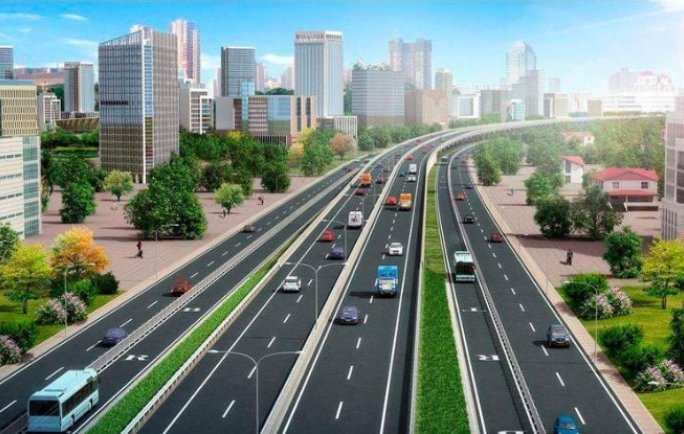
The governments of Uganda and Kenya have jointly approved the development of a 193-kilometre cross-border expressway designed to improve transport efficiency along the Northern Corridor, one of East Africa’s most critical trade arteries. The project, estimated to cost over US$1.5 billion, is being promoted under a Public-Private Partnership (PPP) framework, with support from the African Development Bank (AfDB) and the NEPAD Infrastructure Project Preparation Facility (NEPAD-IPPF).
The new expressway will link Kisumu and Busia in western Kenya with Jinja and Malaba in eastern Uganda, providing a faster, safer alternative route for heavy cargo trucks and passenger traffic moving between the two countries.
🌍 Regional Significance
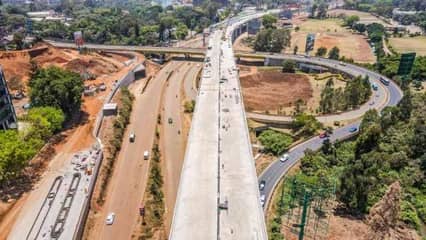
The proposed expressway represents a major milestone in the East African Community’s push for regional integration through infrastructure connectivity. It is expected to dramatically reduce travel time between Kampala and Kisumu, currently averaging seven to eight hours, to less than four.
Both governments have emphasised the project’s potential to boost trade volumes by improving access to Mombasa Port, the region’s key maritime gateway. Currently, over 80 percent of Uganda’s imports and exports pass through Mombasa via the congested Northern Corridor.
Kenya’s Transport Cabinet Secretary, Kipchumba Murkomen, said during a joint briefing in Nairobi:
“This project will unlock immense economic value for our people. It is not just a road; it is a symbol of East African unity and cooperation in development.”
Uganda’s Minister for Works and Transport, Gen. Katumba Wamala, echoed the sentiment, noting that smoother logistics will make Ugandan exports more competitive:
“Every hour saved in transit translates to reduced costs for businesses and consumers alike. The expressway will play a key role in expanding Uganda’s trade footprint.”
💰 Financing & Implementation
According to the feasibility report presented to the East African Community (EAC) Council, the expressway will be developed in two segments:
- Kenyan Section: Kisumu–Busia (~133 km)
- Ugandan Section: Jinja–Malaba (~60 km)
Both countries will pursue PPP financing models, where private investors fund, construct, and operate the road for a concession period before transferring ownership to the state. The AfDB is expected to facilitate technical studies and help mobilize capital through blended financing instruments.
The project’s environmental and social impact assessment is currently underway. Land acquisition, particularly in densely populated areas of Busia and Jinja, remains a sensitive issue. Both governments have pledged compensation to affected households and adherence to international safeguards.
⚙ Infrastructure Bottlenecks
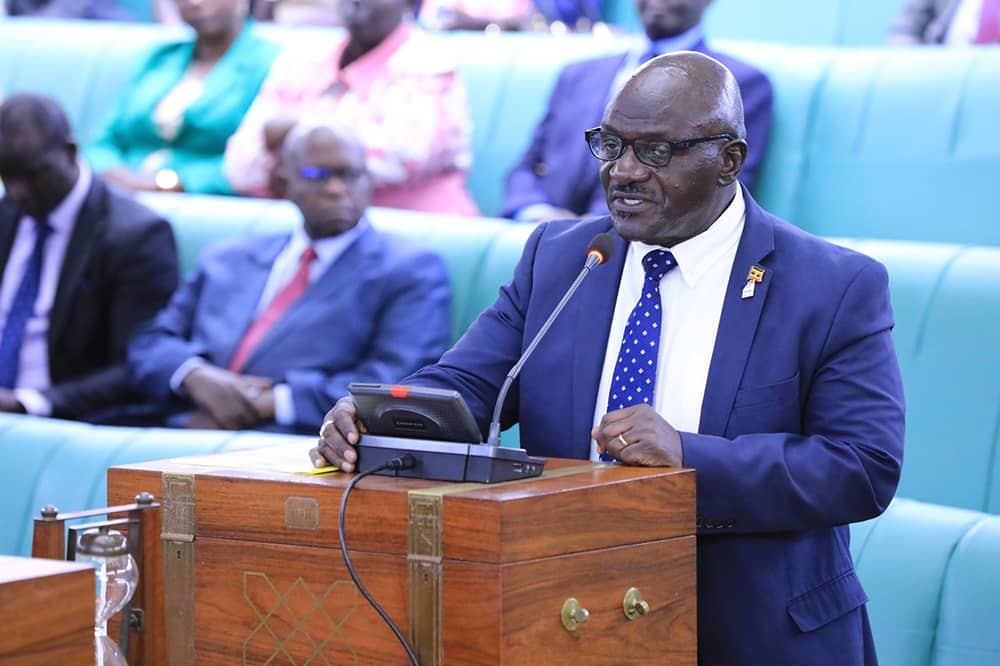
The expressway aims to address long-standing infrastructure bottlenecks that have constrained East African trade. Analysts estimate that poor road conditions and delays at border crossings increase transport costs by up to 30 percent for landlocked countries such as Uganda, Rwanda, and South Sudan.
Economist Sarah Nsubuga from Makerere University explains:
“Efficient logistics are the lifeblood of trade. When trucks spend two days at the border or crawl on broken roads, goods become expensive, and competitiveness suffers. The expressway will be transformative.”
🚦Link to the Bigger Picture
The project dovetails with other regional transport initiatives, including the Standard Gauge Railway (SGR) extension to Malaba and plans for the Kampala–Jinja Expressway, currently in advanced stages of financing. Together, these projects could establish a continuous high-speed corridor connecting Mombasa, Nairobi, Kampala, and Kigali.
However, experts caution that coordination between agencies will be crucial. Infrastructure consultant Paul Odhiambo noted:
“We’ve seen delays in past projects due to bureaucratic overlap. Both governments must align timelines and financing models to ensure consistency.”
📊 Economic Impact
Uganda stands to gain significantly from reduced freight costs and increased export competitiveness. The country’s annual trade with Kenya currently exceeds US$1.1 billion, and volumes are projected to double once the expressway becomes operational.
The improved route will also enhance regional tourism by providing smoother access to Lake Victoria’s northern circuit — including Jinja, often called the Adventure Capital of East Africa.
🕐 Next Steps
The two governments plan to finalize detailed designs by early 2026, with construction expected to begin later that year. The project timeline spans five years, targeting completion by 2031.