Uganda 2026 Elections — Stakes, Power Plays & Growing Tensions
Kampala, Uganda With the 2026 general elections scheduled for January 12, 2026, Uganda’s political stage is already heating up. What emerges is not just a contest of personalities — but a contest over institutions, civil space, legitimacy, and Uganda’s political trajectory.
The Cast & Formalities
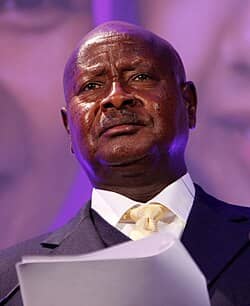
President Yoweri Museveni: At age 80, he has been in power since 1986, making this a bid for a seventh term. His official nomination was confirmed at the EC offices in Lubowa, Wakiso District, where Justice Simon Byabakama validated his credentials.
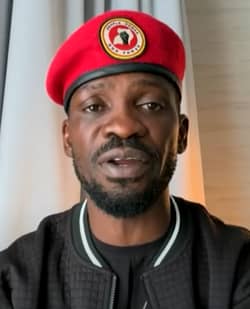
Opposition & Challenges: The National Unity Platform (NUP) camp, led by Bobi Wine (Robert Kyagulanyi), continues to position itself as the primary challenger, despite persistent repression.
Internal Party Fractures: Recently, NUP’s vetting process triggered backlash after nine parliamentary flagbearer slots were rescinded following petitions. Some dropped aspirants have threatened to run independently, risking fragmentation of the opposition vote, especially in urban centers like Kampala.
Institutional Constraints & Repression: Analysts warn of a deepening “competitive authoritarian” playbook, with restrictions on civil society, media pressure, selective arrests, and deployment of security forces ahead of the polls.
One recent flashpoint has been allegations of pre-election giveaways by the state. Reports suggest President Museveni has allocated over US$20 million in handouts across the country, prompting criticism over voter bribery and misuse of public funds.
Key Flashpoints to Monitor
- State Capture & Institutional Control
The ruling NRM’s use of state institutions — security forces, civil service, local councils — has increasingly intertwined politics and administration. Observers note that this trend intensifies ahead of each election, particularly in Kampala. - Media & Civic Space
Journalists, broadcasters, NGOs, and civil society actors are under pressure. Some face restrictive registration rules, censorship, or harassment. The ability to conduct independent voter education or election monitoring may be curtailed. - Opposition Viability & Fragmentation
NUP’s internal disputes, candidate drops, and possible independent runs risk diluting opposition strength. In urban constituencies, where opposition support tends to be concentrated, even a small split can shift results. - Security Intensification in Kampala & Urban Zones
Urban centers often become political battlegrounds. There are signs of heightened security operations, defaults in crowd control, and preemptive detentions in Kampala ahead of rallies or protests. - The Succession Question
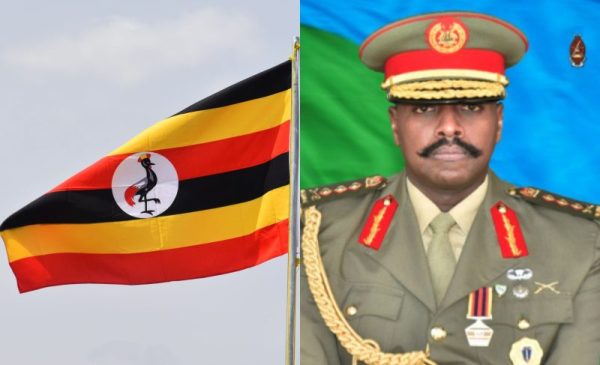
Speculation continues about the role of Gen. Muhoozi Kainerugaba (Museveni’s son) in a post-2026 landscape. His posture in military leadership and political statements remains a key undercurrent.
What This Means for Kampala & Urban Constituencies
Swing Constituencies: Kampala’s seats are politically strategic — small shifts in turnout or candidate splits could determine who controls Parliament.
Youth & Urban Voter Base: With Uganda’s median age under 18 and many voters under 35, Kampala’s urban youth are pivotal. The NUP brand, mobilization, and issues of jobs and services are central.
Safety, Demonstrations & Expression: City planning, policing, curfews, and event permits become critical — activism and rallies in Kampala are flashpoints.
Information & Misinformation: The urban electorate is more digitally connected. Social media, online platforms, and networks in Kampala will be battlegrounds for narrative, misinformation, and voter persuasion.
What to Watch
Map of flagbearer changes in Kampala / Central Uganda after NUP drops
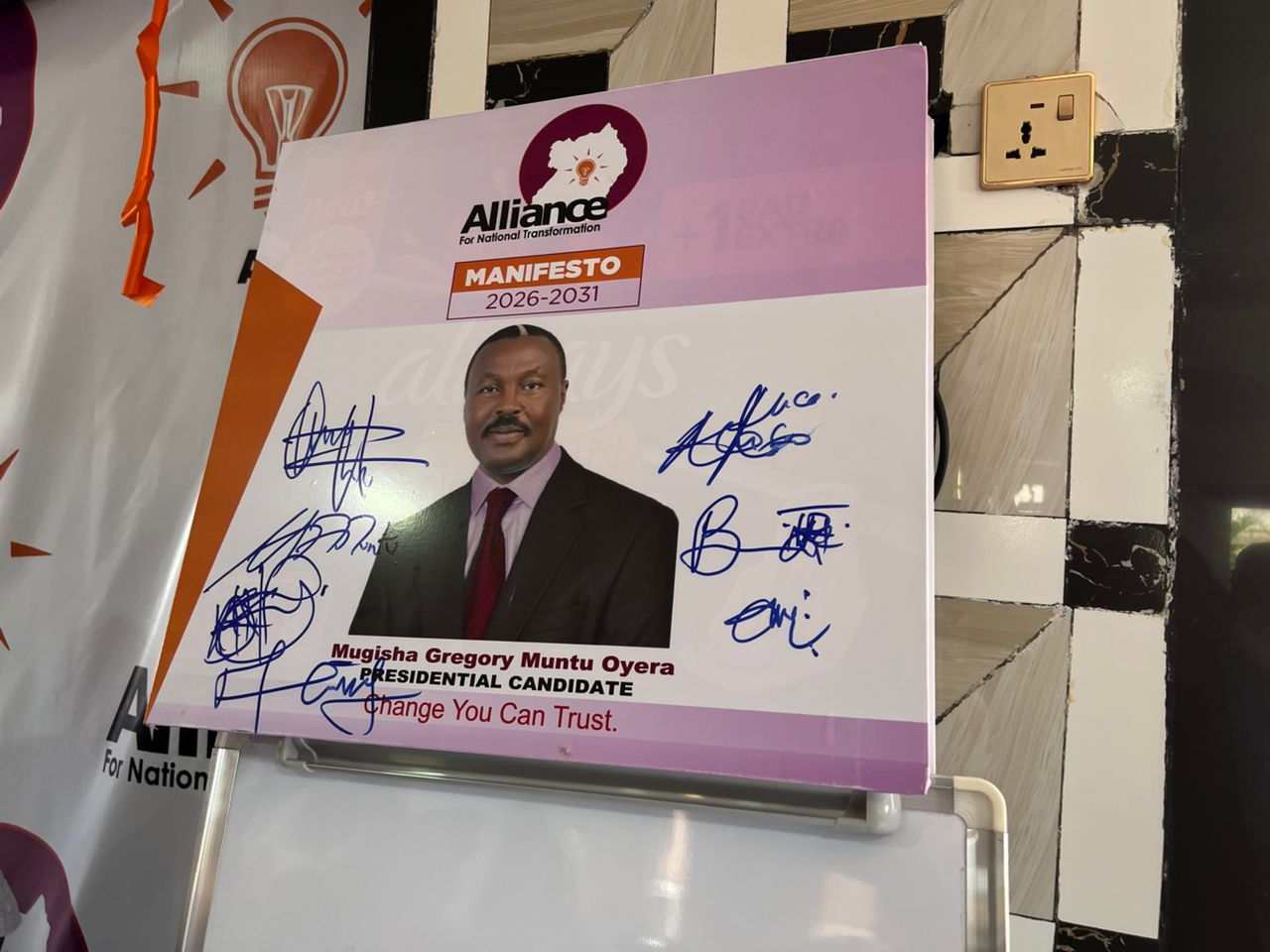
Profiles of opposition nominees (old vs new) and how they plan to campaign in Kampala
Reports of pre-election handouts / state benefits in Kampala neighborhoods
Security clampdowns, protests, arrests or bans on public gatherings in the city
Youth voter sentiment: interviews in slum areas, university corridors, market zones
Monitoring agencies: how many in Kampala will observe polls, civic groups’ capacity
Digital campaigns: how parties, influencers, youth are engaging online