Thousands Protest in Tunisia Demanding End to Political Repression Under Saied’s Rule
Tunis, Tunisia
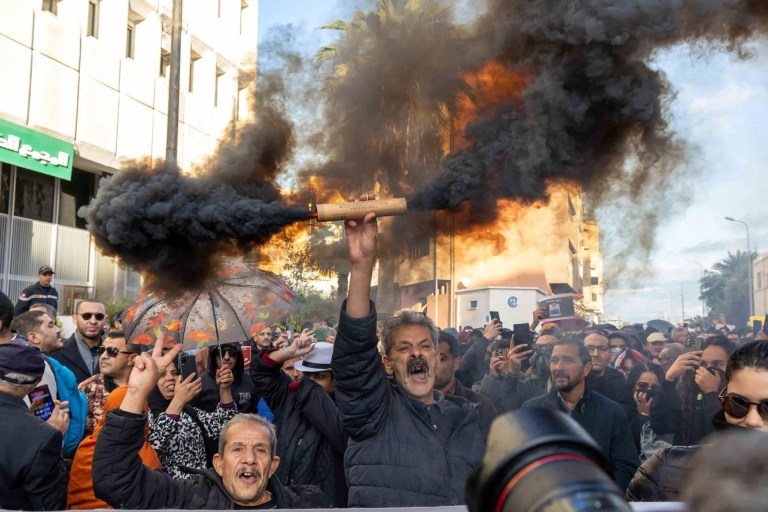
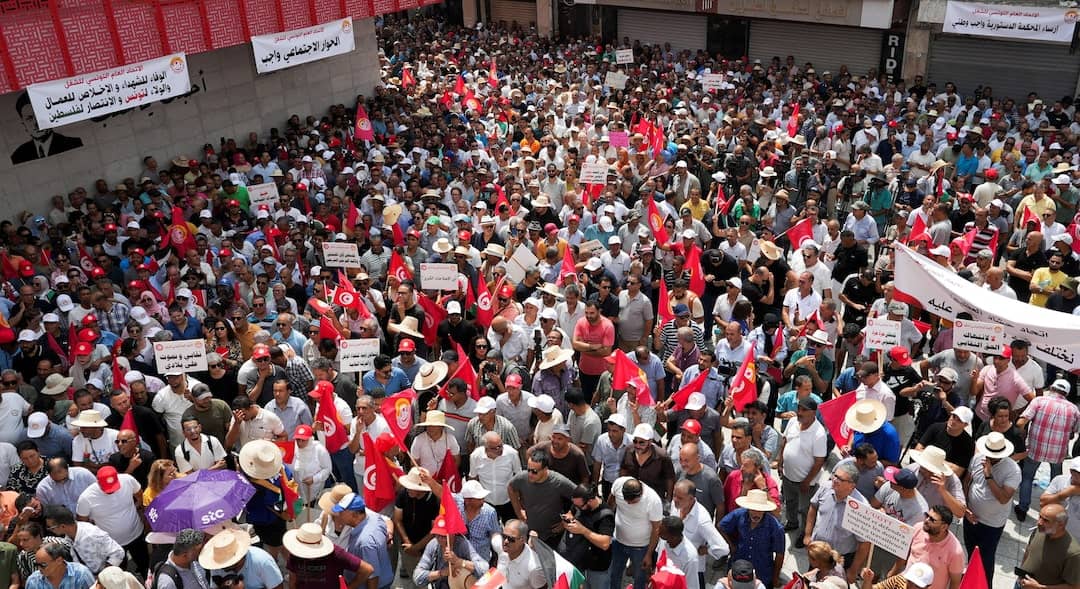
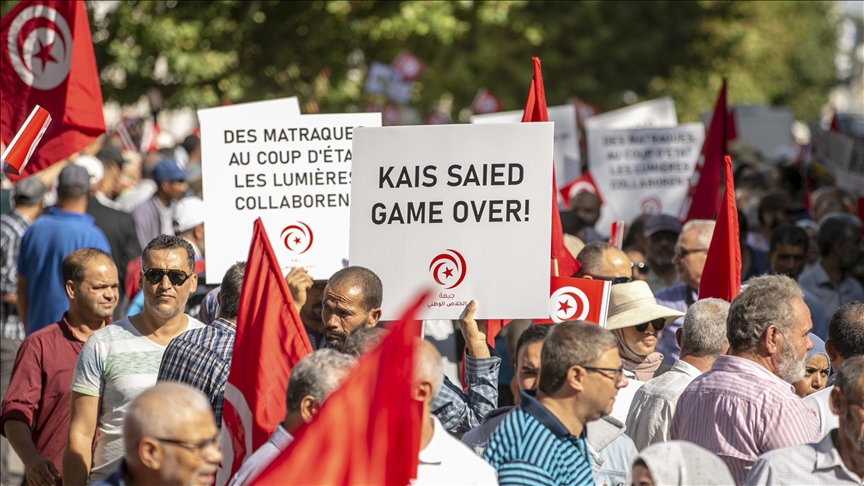
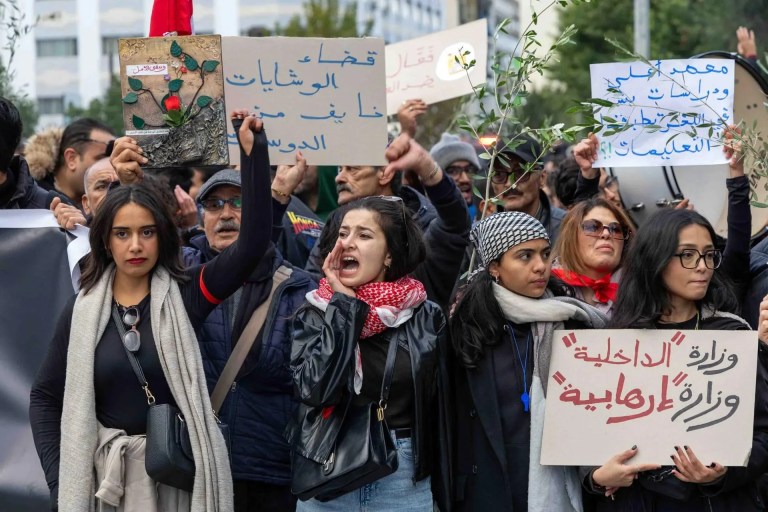
In the capital of Tunisia, large crowds of citizens have taken to the streets to protest what they describe as creeping authoritarianism under President Kais Saied. Demonstrators, including students, civil society activists and ordinary citizens, rallied against what they call political repression, unjust dismissals, and constraints on democratic freedoms. The protests have intensified after a series of controversial government actions targeting opposition voices, sparking anger among large swathes of the population. Security forces have been deployed, and authorities issued warnings against further demonstrations. Protesters insist their demands are peaceful — seeking a return to democratic norms, restoration of institutional checks and a guarantee of political rights.
Why it matters
Tunisia has often been regarded as a beacon of the Arab Spring — a symbol of democratic transition in North Africa. Renewed mass protests and demands for restoring democratic governance could signal deeper cracks in the political system, with implications for stability, civil liberties and regional dynamics. The outcome of these protests may also shape how other governments in the region respond to popular dissent and governance questions.
What to watch
Track whether authorities engage in dialogue or escalate crackdown, including arrests of protest leaders and restrictions on public gatherings. Monitor reactions from international bodies, foreign governments and human-rights organisations calling for restraint or mediation. Also watch for possible new legislation or constitutional changes in response to pressure, as well as public sentiment and mobilization in coming days.