The Rise of the Circular Economy: Why “Make-Use-Recycle” Is the Next Industrial Revolution
Brussels / Nairobi / Singapore
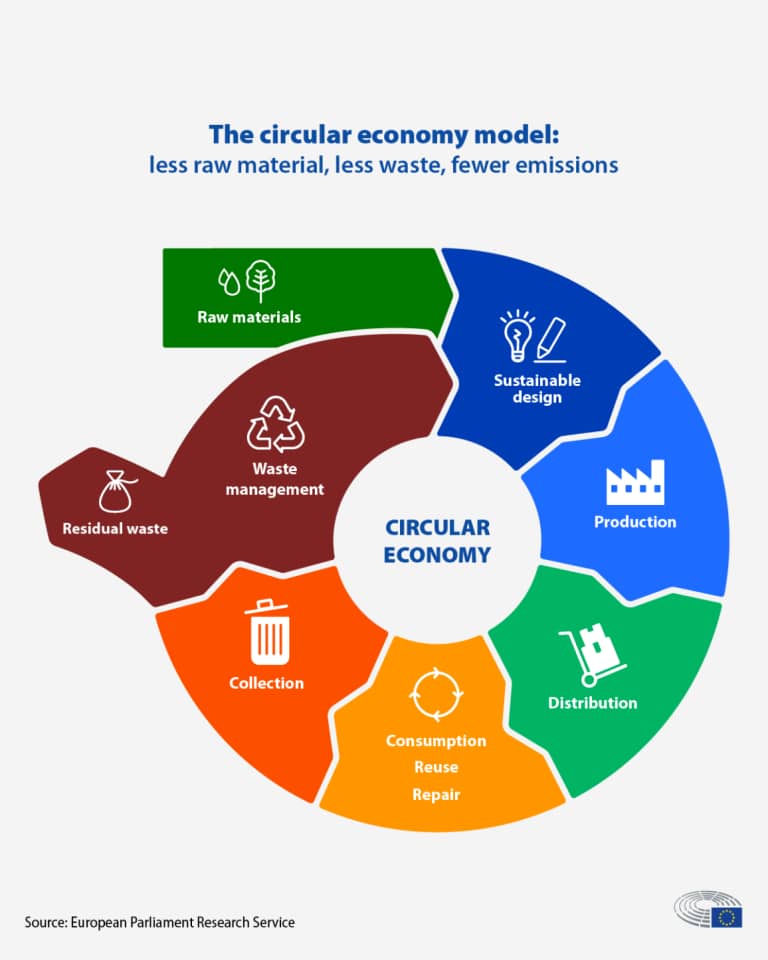
Governments and corporations worldwide are re-engineering supply chains to fit a circular-economy model — designing products to last longer, reuse materials, and eliminate waste. The trend, accelerated by EU regulations and African innovation hubs, is reshaping global production norms.

Key developments:
European Union: The Circular Economy Action Plan 2.0 mandates that 65 % of packaging be recyclable by 2030.
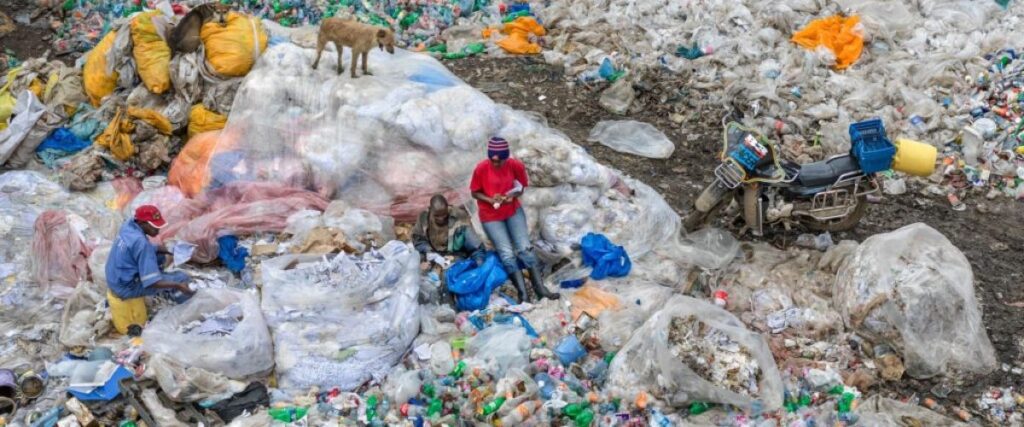
Africa: Start-ups in Kenya, Ghana, and South Africa are turning plastic waste into construction materials, textiles, and 3-D printing filament.
Asia: Singapore and South Korea have launched “urban mining” programs to recover metals from discarded electronics.
Economist Dr. Samuel Lado notes:
“Circularity isn’t just green — it’s profitable. It creates jobs in repair, logistics, and design. The winners will be cities that treat waste as resource.”
Why this matters
The global circular economy could unlock $4.5 trillion in economic benefits by 2030 (World Economic Forum).
Reduces resource dependence amid rising commodity costs.
Aligns with climate goals and youth-led sustainability movements.