The Fallout from U.S. Aid Cuts — East Africa’s Health Systems Under Strain
As Washington slashes foreign-aid budgets, hospitals and community clinics from Kampala to Kisumu are struggling to keep critical programmes alive — and the consequences are already visible.
The wards at Mulago National Referral Hospital in Kampala are busier than ever — but the medicine cupboards are half-empty. Nurses speak in whispers about suspended outreach visits, and a cardboard sign near the HIV clinic door reads: “No test kits available until further notice.”
This is the new reality after the United States government quietly reduced global health assistance by nearly 30 percent earlier this year, redirecting funds toward domestic priorities and geopolitical security projects. Across East Africa, where Washington has long been the single largest health donor, the ripple effects are being felt from capital cities to remote villages.
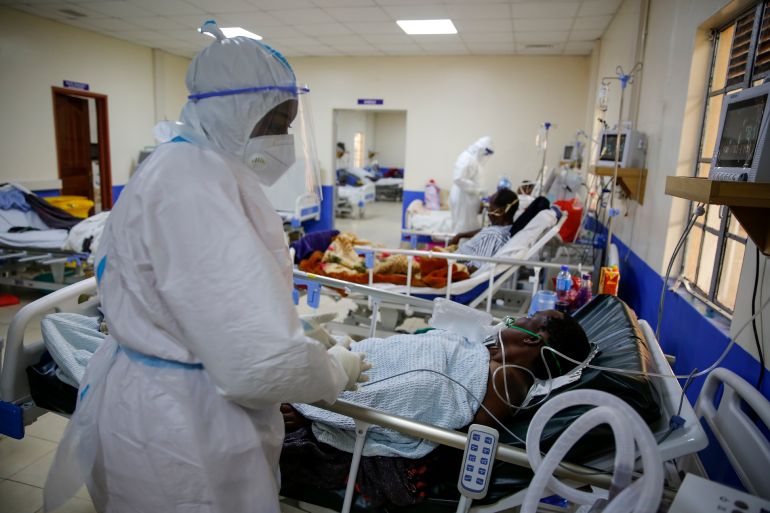
Programmes Frozen, Patients Left Waiting
For two decades, U.S. initiatives such as PEPFAR (the President’s Emergency Plan for AIDS Relief) and USAID’s Global Health Security Agenda underpinned much of the region’s public-health progress. Now, partner organisations report cancelled contracts and unpaid staff.
In Kenya, county health officials confirm that several HIV-testing centres in western regions have closed or reduced hours.
In Uganda, maternal-health outreach teams that once visited rural mothers every fortnight have been scaled back to once a month.
In Tanzania, supply delays mean vaccination campaigns for measles and polio are weeks behind schedule.
“We’re improvising every day — borrowing gloves, pooling fuel money, calling NGOs for leftover drugs,”
says Dr Sarah Nakazibwe, head of a district hospital outside Jinja.
“It feels like going back fifteen years.”
Numbers Behind the Crisis
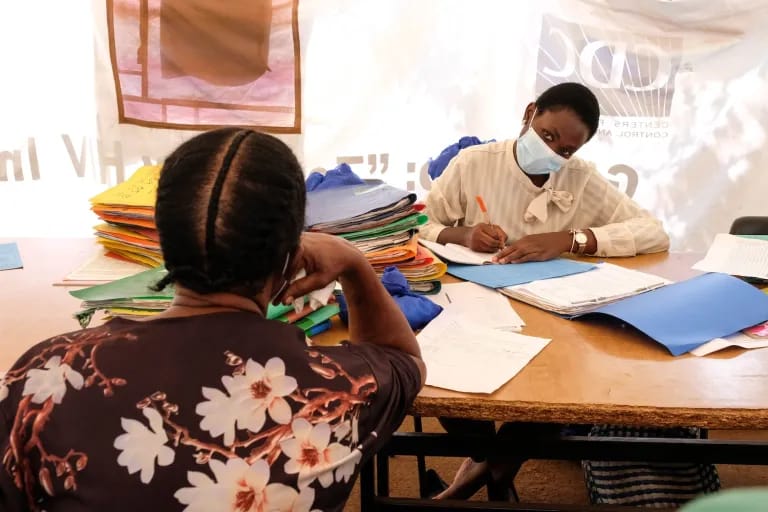
According to new data from the Global Fund and UNAIDS, East Africa may lose as much as US $800 million in combined donor health support by the end of 2025 if the cuts persist. The region relies on external aid for roughly 45 percent of its public-health expenditure.
Key programmes at risk include:
HIV/AIDS testing, prevention, and antiretroviral distribution;
Tuberculosis screening and drug-resistant TB management;
Malaria control and community spraying initiatives;
Nutrition and family-planning services for low-income mothers.
Non-profit leaders warn that the financial vacuum could reverse gains made since 2005, when East Africa recorded its steepest decline in AIDS-related deaths.
A Tale of Two Clinics
At Nairobi’s Mbagathi Hospital, 27-year-old Lilian Otieno still receives her antiretroviral therapy — but the queues are longer, and counselling sessions have been shortened.
In contrast, at a rural clinic in Bugiri, Uganda, patients have been told to travel 40 kilometres to the nearest facility with available stock.
“People living with HIV are resilient,” says Ben Mutua, director of the community group Positive Life Kenya.
“But resilience can’t replace reliable funding. Without drugs and staff, hope isn’t enough.”
Why the Cuts Happened
Analysts point to shifting U.S. political priorities. The current administration has redirected resources toward immigration enforcement and domestic economic recovery, while some legislators question “long-term dependency” on foreign aid.
A policy paper released in August noted that “future health partnerships must demonstrate measurable returns for the American taxpayer.” The language, observers say, signals a pivot from moral responsibility to fiscal self-interest.
For African ministries, however, the timing is devastating. The continent is still managing post-COVID health debt, the rising cost of imported pharmaceuticals, and new outbreaks of cholera and Rift Valley fever.
Regional Governments Scramble for Solutions
East African governments are seeking alternatives — turning to EU development banks, the African Development Fund, and private-sector health bonds. Kenya has floated a proposal to tax sugary drinks and ring-fence the revenue for HIV and vaccination programmes. Uganda is exploring public-private partnerships to co-finance laboratory infrastructure.
Yet such measures cannot immediately replace the scale of U.S. aid.
Dr Yusuf Nsubuga of Makerere University warns:
“Domestic financing must grow, but transition can’t happen overnight. If the aid gap lasts even two years, we will lose people — literally.”
Human Stories Behind the Numbers
In Mbale, midwife Josephine Akello says her clinic used to deliver free prenatal vitamins supplied through a USAID programme. “Now expectant mothers must buy their own, or go without,” she tells Urban Gazette.
Her worry is not abstract: anaemia cases among pregnant women have already doubled since January.
In Kisumu, community-health volunteers complain that transport stipends have stopped. “We walk long distances because we still care,” says one. “But you can’t volunteer on an empty stomach forever.”
The Road Ahead
Health experts agree that Africa’s long-term resilience lies in self-financed universal-health systems. But until domestic budgets expand and procurement reforms take root, external partners remain crucial.
A senior official at Uganda’s Ministry of Health sums it up bluntly:
“Aid shouldn’t define us, but right now, it still sustains us.”
Unless policy shifts in Washington or alternative funding flows quickly, East Africa’s celebrated health successes — from lower child mortality to rising life expectancy — could begin to unravel.
“We’re improvising every day — borrowing gloves, pooling fuel money, calling NGOs for leftover drugs.”
— Dr Sarah Nakazibwe, Jinja District Hospital