Tanzania Erupts Into Chaos Again as Security Crackdown Chokes Cities and Deepens Political Crisis
Dar es Salaam, Kampala
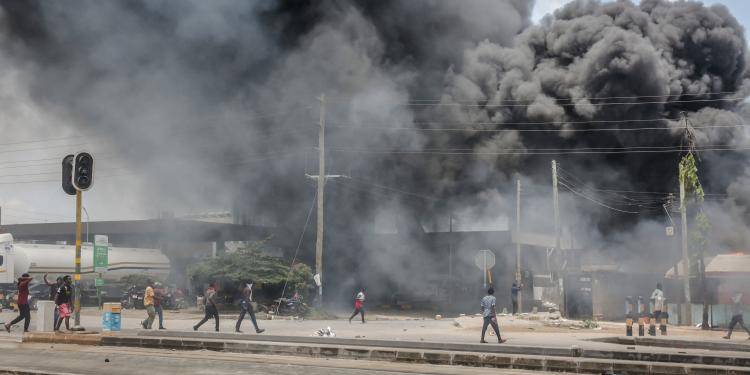
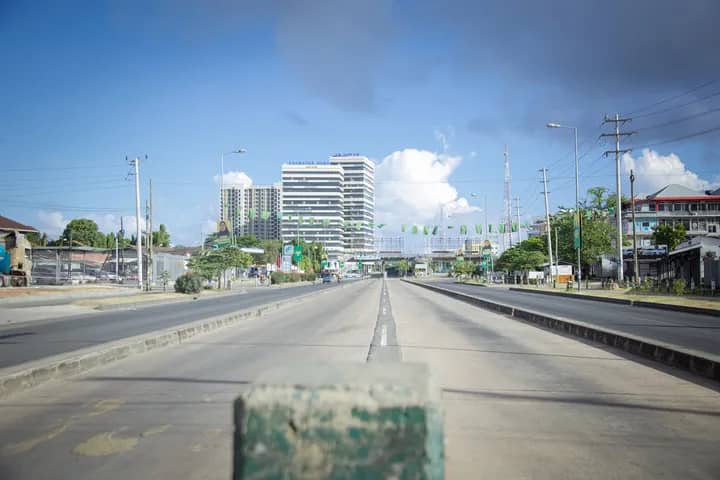
Tanzania has once again descended into a tense national shutdown after a sweeping security operation crushed planned mass protests, sending shockwaves through major cities and deepening fears of a widening political crisis. From the coastal economic hub of Dar es Salaam to the political capital Dodoma and northern city Arusha, heavily armed police and military patrols flooded the streets, forcing shops to close, halting public transport, and pushing millions of residents indoors.
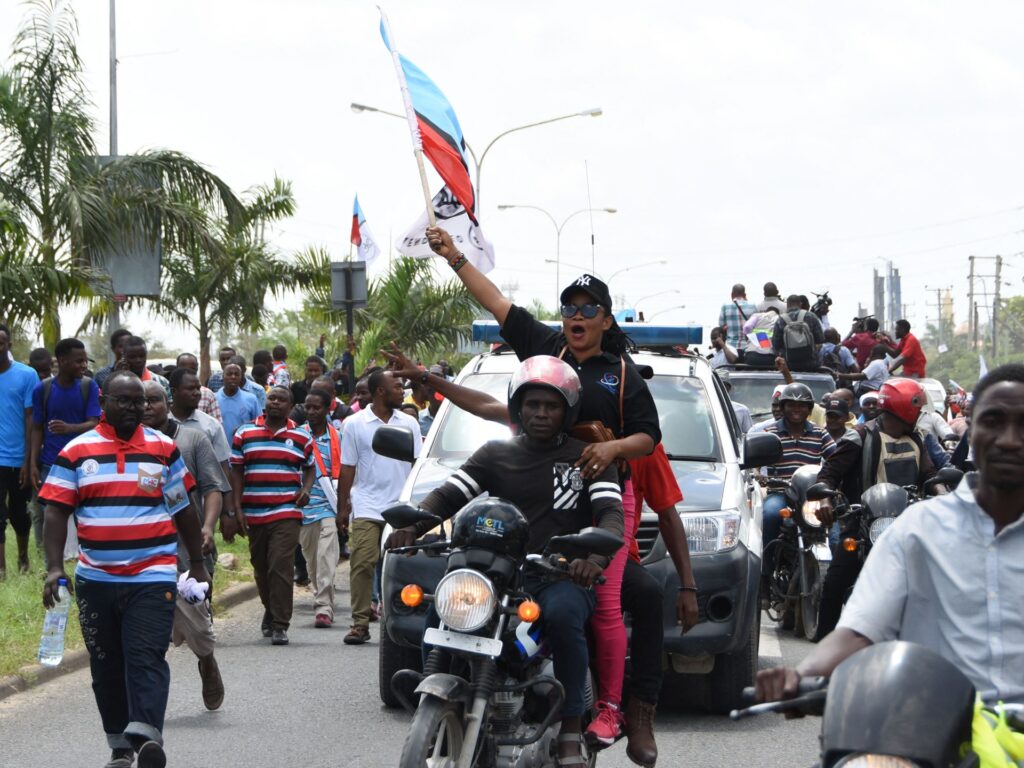
The latest unrest was sparked by calls for nationwide demonstrations linked to anger over October’s highly disputed general elections. Authorities declared the protests illegal days in advance, warning that anyone who took part would face arrest. In the early hours of Tuesday, armoured vehicles, riot police and plainclothes security agents were deployed across key urban neighbourhoods, setting up checkpoints and restricting movement.
Residents described an atmosphere of fear, with helicopters circling overhead and armed officers positioned at major intersections. Business districts that are normally packed with traffic and pedestrians were left eerily deserted as families remained locked in their homes. Mobile internet speeds were slowed in several areas, and social media platforms saw intermittent disruptions as authorities moved to restrict coordination among protest organisers.
Government officials said the measures were necessary to protect national security and prevent what they described as “foreign-backed destabilisation.” Opposition leaders, however, accused the state of using force to silence legitimate political grievances. Activists reported dozens of arrests overnight, including youth organisers, journalists and opposition party members. While officials insisted the situation was “calm and under control,” eyewitnesses reported sporadic clashes between small groups of protesters and security forces in outlying suburbs.
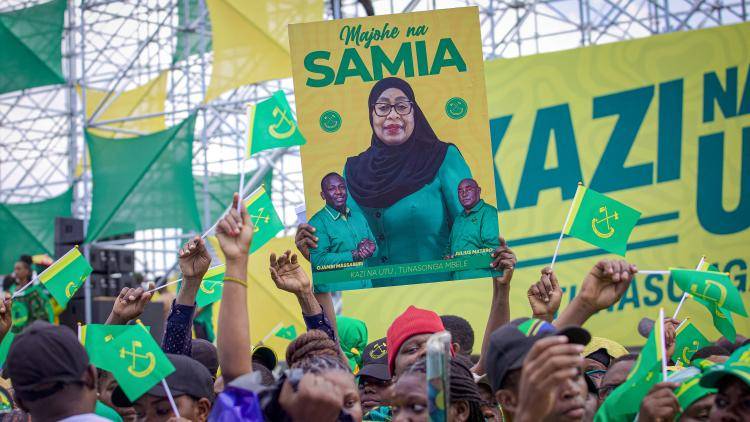
The roots of the current crisis lie in the October 2025 elections, which delivered a landslide victory to the ruling party and President Samia Suluhu Hassan. Opposition groups rejected the outcome, citing blocked candidates, intimidation of voters and widespread irregularities. Since then, public frustration has grown, particularly in urban areas where unemployment and cost-of-living pressures have intensified public anger.
Human rights organisations have raised alarm over reports of excessive force used during earlier demonstrations, with families of victims accusing security forces of extrajudicial killings and enforced disappearances. Foreign governments and international observers have issued statements of concern, warning that Tanzania’s reputation as one of East Africa’s most stable nations is rapidly eroding.
Economically, the disruption has been severe. Transport services were suspended, supply chains badly delayed, and informal traders — who form the backbone of the urban economy — lost critical daily income. Markets in Dar es Salaam and Mwanza remained closed for most of the day, while fuel shortages began to emerge as distribution stalled.
Despite the heavy crackdown, underlying tension remains high. Many citizens fear that the current calm is only temporary and that renewed clashes could erupt at any moment if political dialogue fails or if further arrests take place.
Why It Matters
Tanzania’s renewed chaos threatens far more than street-level stability. The crisis touches the foundation of democratic governance in one of East Africa’s key economic and political players. Continued repression undermines public trust in state institutions, while prolonged shutdowns damage livelihoods and worsen already fragile living conditions for millions of urban residents.
This instability also carries regional implications. Tanzania plays a strategic role in trade routes, security cooperation, and refugee hosting across East and Central Africa. A prolonged breakdown in civil order risks spilling over into neighbouring countries and deterring foreign investment at a time when the region is seeking economic growth and political calm.
For ordinary Tanzanians, the situation is no longer abstract politics — it is about safety, survival, and whether daily life can return to normal without fear.
What to Watch
Attention now turns to whether the government will follow through on promises to investigate allegations of election-related violence and human rights abuses. Observers are watching closely for any credible, independent inquiry or accountability for reported killings and disappearances.
There is also concern over whether opposition leaders will attempt to organise new protests despite the crackdown, and whether security forces will respond with further force. Another key signal will be the response from international partners, as foreign governments review diplomatic ties and potential sanctions.
Perhaps most critically, the public mood in Tanzania’s cities remains volatile. If economic pressure continues to grow and political solutions remain elusive, the country could face a new wave of unrest in the weeks ahead.