Tanzania Eruption: Protests continue, Curfew and Arrests follow Disputed Election
Dar es Salaam / Nairobi/Kampala
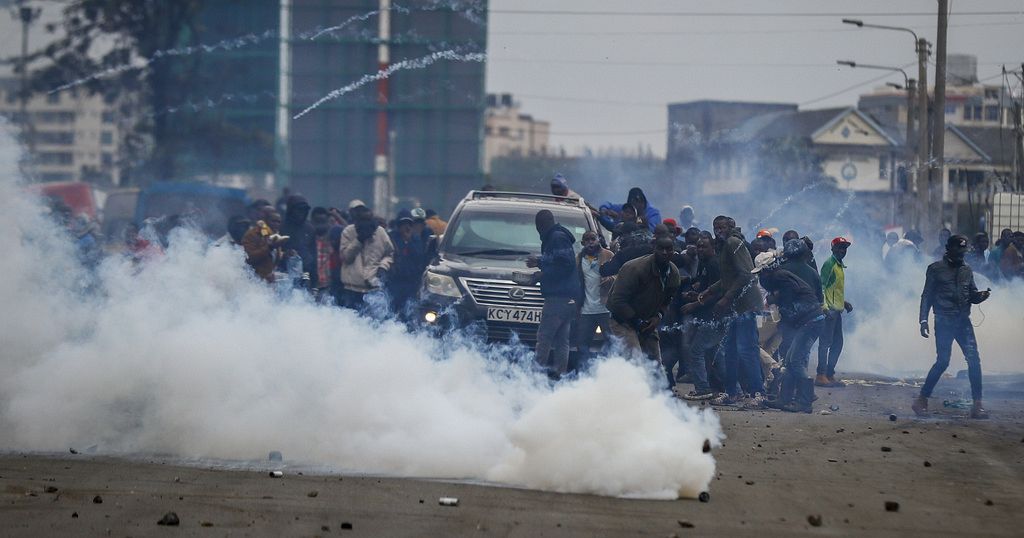
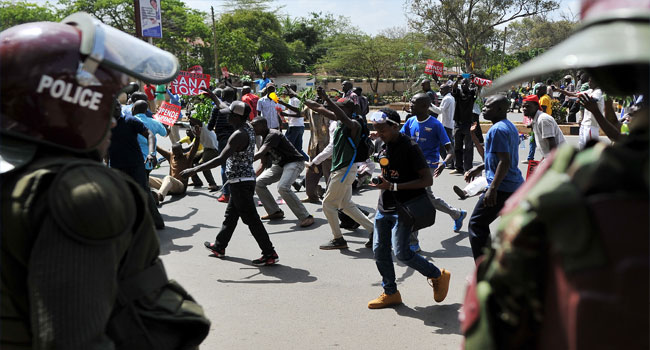
Hundreds of Tanzanians returned to the streets of Dar es Salaam on Thursday 30.October.2025 for a second day of protests after a general election that many critics — and several opposition parties — described as heavily flawed and effectively uncontested. Security forces fired teargas and, according to multiple eyewitnesses and media reports, gunshots were heard as police and military units pushed to disperse demonstrators; authorities imposed an overnight curfew in the commercial capital and internet access was disrupted across parts of the country.
What happened
Protests erupted Wednesday — election day — after the country’s two main opposition figures were barred from the presidential ballot, prompting claims that the vote had been engineered to ensure President Samia Suluhu Hassan’s easy victory. Several neighbourhoods of Dar es Salaam, including Mbagala, Gongo la Mboto and Kiluvya, saw confrontations: protesters set tyres and other debris alight, some polling sites and a petrol station were reported damaged, and groups used social apps to organise follow-up actions despite intermittent network blackouts. The government ordered civil servants to work from home on Thursday and announced curfew measures in major urban areas.
Security forces responded with a heightened presence. Reporters and human-rights organisations said police fired tear gas, and on-the-ground accounts recorded shots being fired to disperse crowds; human-rights groups warned of deaths and injuries, while Reuters and other outlets cited local sources reporting multiple fatalities though independent verification is limited at this stage. Amnesty International called for an independent probe into alleged excessive use of force by security personnel.
Arrests, detentions and political bans
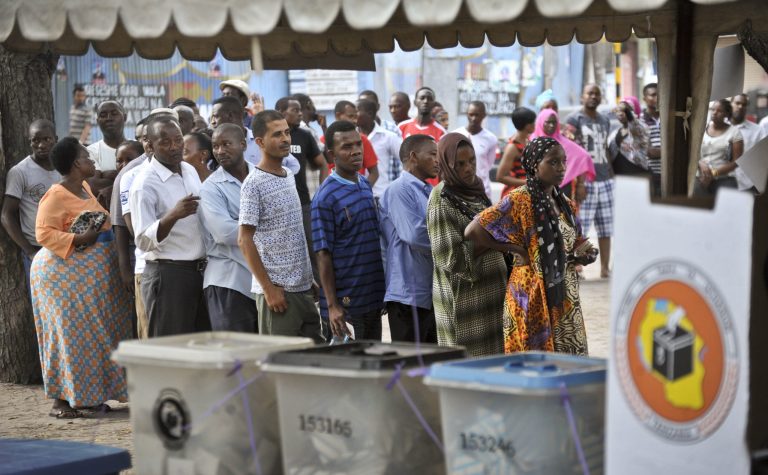
The unrest followed a run-up to the vote in which several opposition activists and party leaders were detained, and at least two prominent challengers were disqualified from the presidential race — moves that opposition parties say were politically motivated and designed to limit competition. Reports say security services detained dozens of protesters and activists in connection with the demonstrations; government spokespeople have framed some detentions as necessary to restore order but have not publicly provided full casualty or arrest figures. International monitors and rights organisations have criticised the pre-election crackdown as creating an environment of fear that undermined the electoral process.
Government response and security measures
Authorities deployed military units to supplement police patrols in key cities and issued curfew orders aimed at preventing further unrest. Several airports experienced disruptions and some domestic flights were canceled in the immediate aftermath. The government has attributed its actions to a need to protect lives and property; at the time of publishing, official statements from the president’s office and the ruling Chama Cha Mapinduzi (CCM) party emphasised the importance of stability and pledged to investigate specific incidents. Independent international commentary, however, has called for transparent investigations and accountability.
Human-rights and international reaction
Human-rights groups including Amnesty International and ARTICLE 19 urged authorities to investigate alleged unlawful killings and detentions and to respect citizens’ rights to peaceful protest and free expression. Several foreign embassies issued security alerts advising nationals to avoid demonstrations and follow local guidance. Regional bodies and international governments are watching closely; analysts warn that a heavy-handed domestic response could increase diplomatic pressure and risk isolating Tanzania on governance and rights grounds.
What this means politically
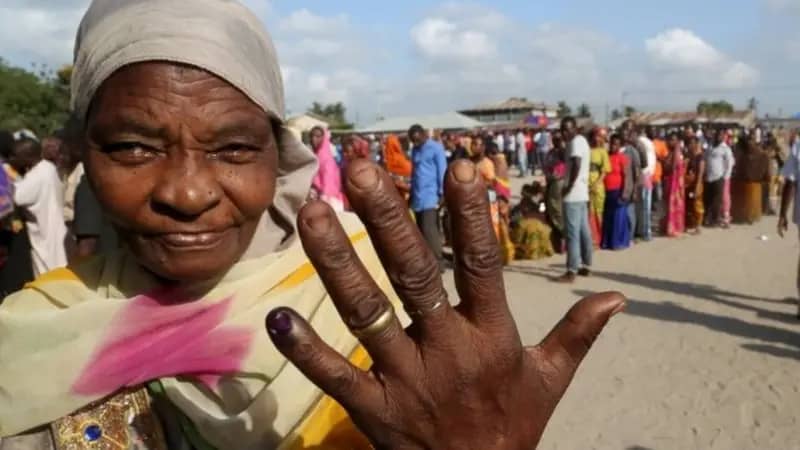
Observers say the election — contested amid the exclusion of major opposition candidates and an atmosphere of mounting restrictions on dissent — could further consolidate CCM’s long-standing hold on power while deepening political polarisation among urban youth and opposition supporters. Low turnout in some areas and a vocal street movement against perceived political manipulation suggest that unrest may continue in the coming days if electoral authorities and the government do not take visible steps to address grievances and open meaningful channels for redress.
Verification status and caveats
Information coming out of the streets remains fluid. Local network disruptions and limited independent access to some neighborhoods mean casualty and arrest figures are not yet fully verifiable; where possible this article cites reports from major wire services, human-rights organisations, and eyewitness accounts. We will update this story as credible, confirmed information emerges.
Quick facts (at a glance)
Election date: 29 October 2025.
Main city affected: Dar es Salaam — curfew imposed; multiple neighbourhood clashes reported.
Reported actions: police tear gas, gunfire to disperse crowds; military deployed; internet disruptions.
Human-rights reaction: Amnesty International calls for independent investigations into use of force.