
South Africa Secures China, India Auto Investments—A Model for Africa’s Industrial Future
The Urban Gazette
JOHANNESBURG — South Africa has clinched major investment commitments from Chinese and Indian automakers to upgrade local vehicle assembly plants into full manufacturing hubs—part of a broader drive to boost domestic industrial output and jobs.
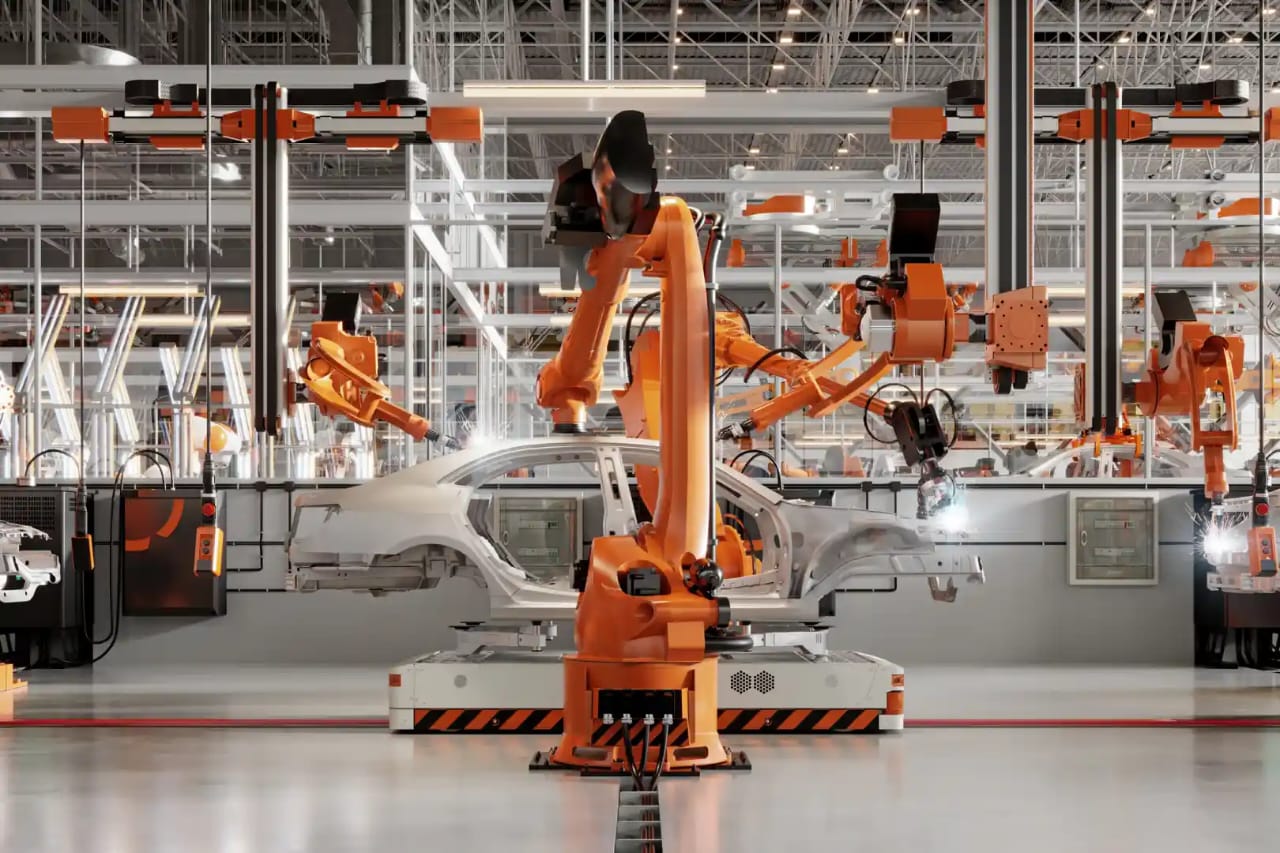
Officials say the deals, signed this week in Pretoria, will channel billions of rand into expanding factories operated by companies including BAIC, Mahindra, and Tata Motors. The shift from semi-knocked-down (SKD) assembly to completely knocked-down (CKD) production could generate thousands of skilled jobs and deepen local supply chains.
Boosting Local Value Addition
The move aligns with South Africa’s Industrial Policy Action Plan (IPAP), which prioritizes automotive, steel, and renewable energy manufacturing.
Officials expect at least 60% of parts for locally assembled vehicles to be sourced domestically within five years.
“This transition means more welding, painting, engineering, and design done right here in South Africa—not imported,” said Ebrahim Patel, Minister of Trade, Industry and Competition.
The announcement follows months of negotiations with Asian partners, who have been seeking new production bases in Africa to serve regional markets under the African Continental Free Trade Area (AfCFTA) framework.
Wider Continental Implications
Analysts say South Africa’s progress could inspire other African economies, including Kenya, Nigeria, and Uganda, which have been trying to revive or expand their automotive sectors.
Uganda’s Kiira Motors Corporation (KMC), for instance, has been testing locally assembled electric buses in Kampala but continues to rely on imported components. A shift toward full manufacturing could help reduce costs and build regional supply partnerships.
“South Africa’s model shows what’s possible with consistent policy and long-term investor confidence,” said Daniel Mwesigwa, an industrial policy researcher in Kampala. “If regional collaboration grows, East Africa could plug into continental supply chains.”
Economic & Employment Impact
South Africa’s auto sector already employs about 120,000 people directly and contributes nearly 5% of GDP. The new deals could increase that figure by another 15–20% in the next three years.
The government is also tying incentives to sustainability, requiring new plants to meet green manufacturing standards.
Challenges Ahead
Energy reliability: Power shortages remain a major concern despite recent improvements.
Currency volatility: The rand’s fluctuations could affect import costs for materials.
Policy execution: Investors will watch for follow-through on promises of tax breaks and infrastructure upgrades.
Still, economists see this as a rare positive development amid global uncertainty.
“Industrialization in one African economy benefits all,” said Prof. Grace Bukenya of Makerere University Business School. “South Africa’s success can spill over through trade, technology, and workforce mobility.”


