Rail Resurgence: Uganda Railways Corporation (URC) Restarts Cargo Services — A Boost for Trade
Freight Back on Track
Kampala, Uganda
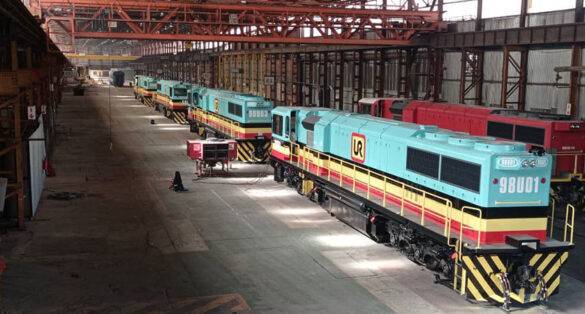
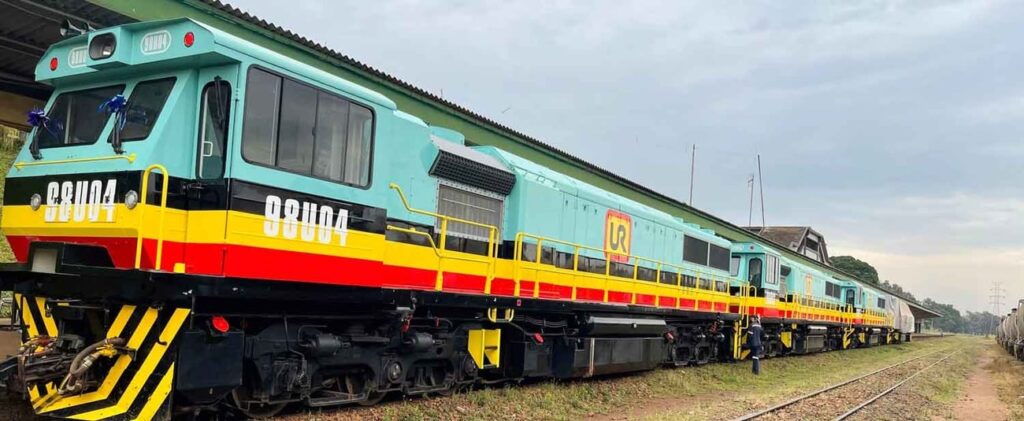
After a seven‑month suspension, Uganda Railways Corporation has resumed cargo operations. The revival follows a bilateral agreement with Kenya, allowing Ugandan wagons access to Mombasa port — a critical logistics link for landlocked Uganda and neighbouring countries.
Officials say the resumption will reduce pressure on Uganda’s roads, which have borne the brunt of heavy cargo traffic. Rail transport — when functional — can carry large volumes at lower cost and with fewer accidents compared with long‑distance trucking.
Why It Matters
For a country whose economy relies heavily on imports and exports moving through the Northern Corridor, restoring cargo rail service is a game‑changer. Transporting goods by rail reduces logistics costs, limits delays, and makes supply chains more reliable. For industries and businesses dependent on timely delivery — whether raw materials or finished goods — rail offers predictability road transport often lacks.
Reducing heavy-truck traffic also means less road damage, fewer accidents, lower maintenance costs for highways, and reduced road congestion. Environmentally, shifting freight from road to rail can help cut carbon emissions and ease pollution concerns.
For regional trade, the resumption reinforces Uganda’s trade links with not only Kenya, but other inland economies that rely on access to the port of Mombasa — presenting an opportunity for Uganda to become a stronger logistics hub in the Great Lakes region.
What to Watch
Sustained reliability and scale will be essential. Cargo rail must operate consistently to regain the confidence of businesses and importers. Infrastructure upkeep, scheduling, safety standards, and efficiency of customs clearance at both ends (Mombasa and Uganda) will influence adoption.
Authorities should also monitor how well rail freight offsets road congestion and damage over time — results will guide future investment in rail expansion and maintenance. Another key factor is integrating cargo rail with planned passenger services under the broader SGR vision to ensure the system delivers both freight and commuter value.