Political Temperature Soars as Uganda Prepares for 2025 Parliamentary Nominations
Kampala/Uganda
Uganda’s political arena is heating up as the nominations for Members of Parliament (MPs) are set to begin Wednesday 22nd-Thursday 23rd October 2035, marking the official start of the highly anticipated 2025 electoral cycle. As the country inches closer to one of its most consequential elections, political formations are intensifying their strategies to secure a foothold in the urban centers—Kampala, Mbarara, Gulu, and others—where a growing electorate is demanding change on issues ranging from youth unemployment to economic inequality and governance reform.
Nominations Begin Tomorrow
The Electoral Commission of Uganda (EC) has confirmed that the parliamentary nomination period will begin on October 22, 2025-23rd.October.2025. This signals the start of a competitive month-long process, with political parties and independents scrambling to finalize their candidate lists. The spotlight is especially focused on the urban areas, where the electorate has become increasingly vocal in its dissatisfaction with the status quo, particularly around rising living costs, unemployment, and the lack of opportunities for the youth.
Key Political Formations and Shifting Dynamics
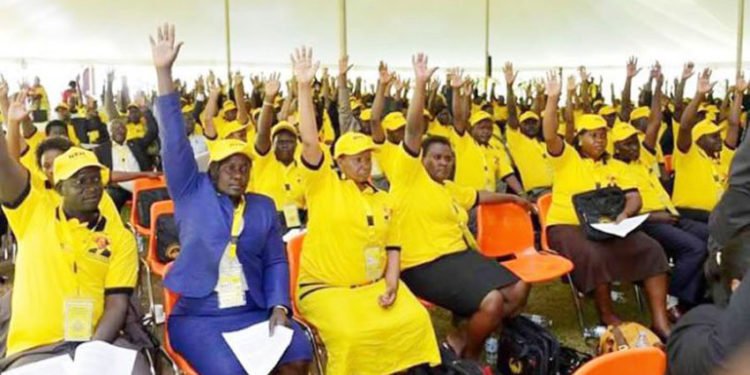
As the nomination process kicks off, the major political players are gearing up for an intense electoral battle. National Resistance Movement (NRM), National Unity Platform (NUP), Forum for Democratic Change (FDC), and the relatively new Peoples’ Front for Freedom (PFF) are the primary contenders for parliamentary seats. The political landscape has seen a significant shift, especially with NUP now eclipsing FDC in terms of both urban appeal and grassroots mobilization.
- National Resistance Movement (NRM)
Despite facing challenges in urban constituencies due to increasing discontent over economic hardship, NRM remains a dominant force, particularly in rural Uganda. The ruling party continues to lean on its historical achievements in infrastructure development and rural economic empowerment. However, in urban centers, the NRM is struggling to maintain its support base, with many city dwellers critical of its inability to curb inflation, address youth unemployment, and stem rising corruption.
Key Focus for NRM: The party is pushing to retain control in rural areas while adapting its urban campaign to appeal to young voters and address concerns over inflation, corruption, and infrastructure in the cities.
- National Unity Platform (NUP)
Under the leadership of Robert Kyagulanyi (Bobi Wine), NUP has rapidly transformed into Uganda’s largest opposition force, eclipsing FDC in both size and influence. With a stronghold in urban areas, particularly in Kampala, NUP has emerged as the party of the youth. Its message of political change, social justice, and empowerment for the youth resonates strongly among urban voters, especially as they grapple with economic insecurity and unemployment. NUP’s emphasis on reforming governance, tackling corruption, and offering alternative economic policies has earned it a growing support base across Uganda.
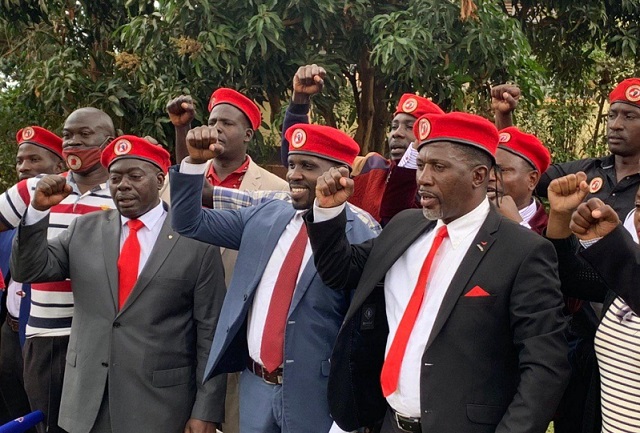
Key Focus for NUP: The party’s major campaign issues include creating job opportunities for the youth, reducing corruption, and improving the urban infrastructure. NUP is also focusing on electoral reforms, fair representation, and constitutional changes that would ensure greater political freedom and accountability.
- Forum for Democratic Change (FDC)
Once the largest opposition party in Uganda, FDC is now facing growing competition from NUP, particularly among the youth and urban voters. The FDC’s core message continues to center on restoring democracy and addressing Uganda’s longstanding issues with governance and human rights. However, the party has struggled to maintain its relevance in an increasingly competitive political environment. While still influential in certain regions, especially in the west and north, FDC’s grip on urban voters has been eroded by NUP’s rise.
Key Focus for FDC: The FDC is advocating for greater political freedoms, including reforming the electoral system to ensure fairer representation. Its urban candidates are emphasizing the need for comprehensive economic reforms, job creation, and the decentralization of power to local governments.
- Peoples’ Front for Freedom (PFF)
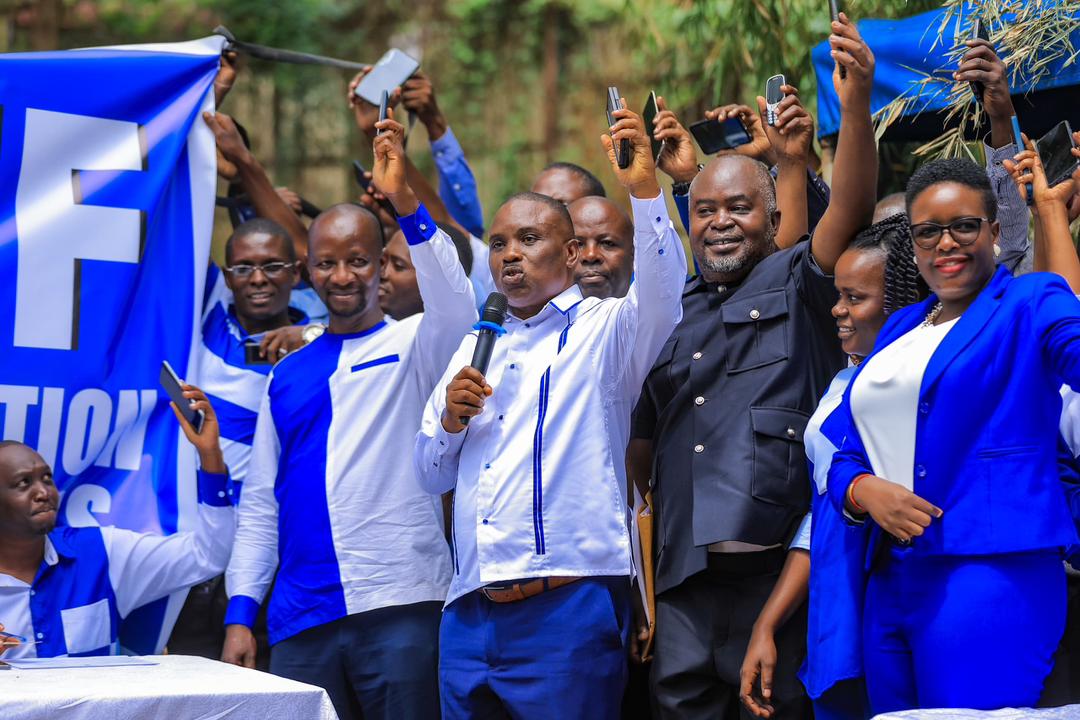
A new player in Uganda’s political landscape, PFF is led by former FDC stalwarts and other prominent political figures who broke away to form a more inclusive and progressive opposition. The party has quickly gained traction in urban areas, particularly among voters who are dissatisfied with both the NRM and traditional opposition parties. PFF is positioning itself as a more radical alternative to FDC and NUP, focusing on a broad platform of political and economic reform. Their support is largely centered around social justice, anti-corruption, and the push for greater youth representation in governance.
Key Focus for PFF: Promoting national unity, tackling systemic corruption, empowering marginalized communities, and focusing on long-term sustainable economic policies. PFF candidates are expected to focus heavily on youth engagement, with a strong emphasis on educational reform and economic opportunities for the next generation.
- Independent Candidates
While political parties dominate the landscape, independent candidates continue to play a significant role, especially in urban constituencies where voters may be disillusioned with traditional party politics. Many independents are former members of NRM or FDC and present themselves as more attuned to the needs of local communities. Their campaigns often focus on direct community engagement, local development, and combating corruption at the grassroots level.
Key Focus for Independents: Often focused on addressing specific local issues, such as infrastructure, health services, and local governance. They tend to present themselves as alternatives to party-affiliated candidates, emphasizing their independence and commitment to serving the needs of their constituents.
Urban Issues Dominate Campaigns
As urbanization accelerates in Uganda, the issues facing city dwellers have become central to the election narrative. Key concerns include:
- Youth Unemployment & Economic Disparities
The youth demographic, particularly in urban areas, is grappling with high levels of unemployment and underemployment. Candidates are offering various promises, from job creation and vocational training to government-sponsored entrepreneurship schemes. However, the effectiveness of these solutions remains a point of contention. - Rising Cost of Living
The surge in inflation, particularly in cities like Kampala, is a critical issue. High prices for food, transportation, and housing have placed a heavy burden on urban residents. Political leaders are divided on how to address inflation, with some proposing subsidies and others focusing on long-term economic reforms. - Corruption & Governance Reform
The public’s distrust in the government, particularly in urban centers, is rooted in widespread corruption and mismanagement. The call for political accountability is growing louder, and urban voters are seeking candidates who will commit to greater transparency, improved public service delivery, and stronger anti-corruption measures. - Infrastructure & Service Delivery
Urban infrastructure, particularly roads, housing, waste management, and health services, is increasingly inadequate to meet the needs of the growing population. Political candidates across parties are pledging to improve urban planning, modernize transport systems, and enhance public health infrastructure.
What to Expect as Nominations Begin
As candidates begin to submit their nominations, the political campaigns are expected to intensify. Urban areas will see an uptick in political rallies, debates, and community outreach programs. Civil society organizations are already calling for greater transparency in the electoral process, given concerns about voter intimidation and allegations of electoral fraud.
The next few weeks will see candidates sharpening their messages, with a heavy focus on key issues such as youth unemployment, inflation, and governance reform. While NRM is expected to maintain its hold on rural Uganda, the real battle is expected to unfold in urban constituencies, where the electorate is more diverse, vocal, and politically engaged.
Conclusion: A Defining Election Cycle
As Uganda heads into the 2025 parliamentary elections, the political landscape is more dynamic than ever. With NUP now leading as the primary opposition force, the stakes are high for both the ruling NRM and the opposition parties, particularly FDC and the newly emerging PFF. Urban voters, facing economic hardships and seeking change, will play a decisive role in shaping the outcome of these elections.
The nomination process beginning tomorrow marks the beginning of what promises to be a highly competitive and transformative electoral season. Urban areas are set to be the battleground, and all eyes will be on the candidates and their ability to address the real concerns of the electorate.