Opposition supporter remanded after attempted ‘drilling’ parade in Kampala
Kampala, Uganda
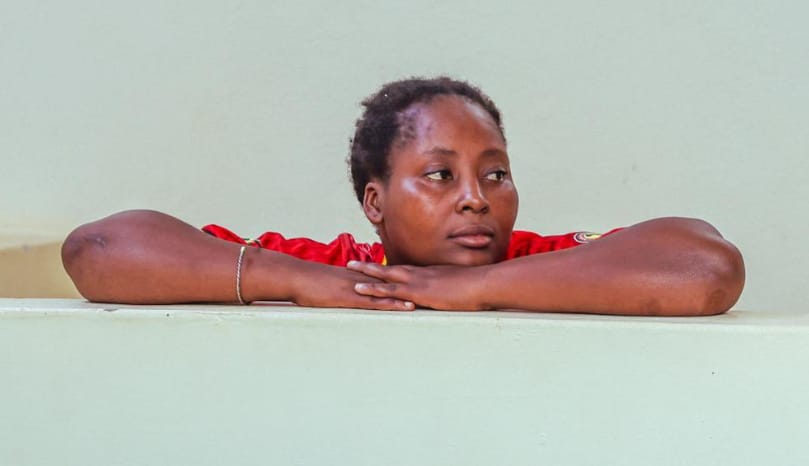
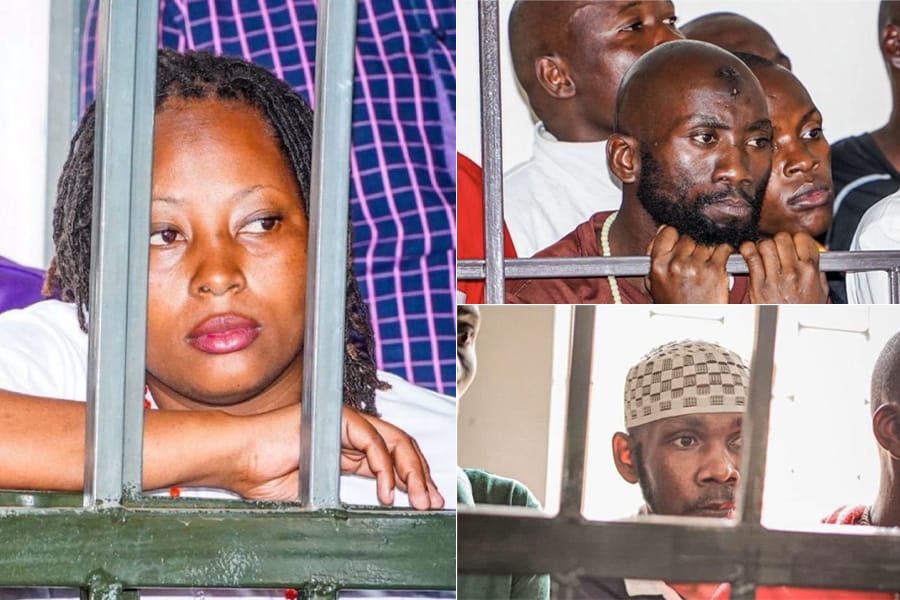
Supporters of the opposition party National Unity Platform (NUP) were once again brought into the limelight Tuesday 11.November.2025 when one of their members, Olivia Lutaaya, was arraigned at Kanyanya Magistrate’s Court in Kawempe Division, Kampala, on charges of “unlawful drilling” — a term used locally to refer to a form of military-style parade or drill by civilians. She was remanded until 18 November 2025.
The case stems from arrests made on 7 November 2025 in Mbarara District, where over a hundred NUP supporters were detained when the convoy of their presidential candidate, Robert Kyagulanyi (also known as “Bobi Wine”), was intercepted en route to a campaign rally. Lutaaya is among ten or more party supporters accused of the drilling after a parade held at the NUP party headquarters in Kampala, reportedly to mark Kyagulanyi’s 43rd birthday back in February.
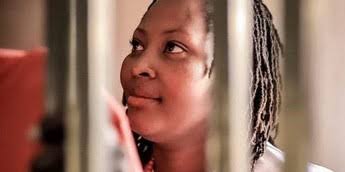
The presiding magistrate found there was sufficient reason to remand her, stating concerns over possible flight or further public order disturbances if released. Lutaaya’s legal team argued the drilling was part of party celebrations and denied any intent to provoke or meet the threshold of “unlawful drilling”.
Why it matters:
The case underscores how political gatherings and party-mobilisation in Uganda continue to be scrutinised under public order and security laws. It highlights tensions between opposition movements and state authorities.
With general elections on the horizon (2026), such legal and security episodes risk escalating political polarisation, possibly affecting the climate for peaceful campaigning and credible elections.
It also raises issues of civil liberties and whether rules on “drilling” or parades are being applied evenly, or used as tools for political control. Observers will also note how the judiciary responds under pressure.
What to watch:
How the court handles Lutaaya’s case and whether the remand leads to a full trial or eventual dismissal.
Whether other supporters will be charged, how the NUP responds (both legally and politically), and how the state manages public order around opposition rallies.
The broader effect on campaign dynamics going into 2026: will opposition energies be dampened by arrests, or will they spur further mobilisation?
Whether domestic rights organisations or international observers raise concerns over fairness, political coercion or selective enforcement.