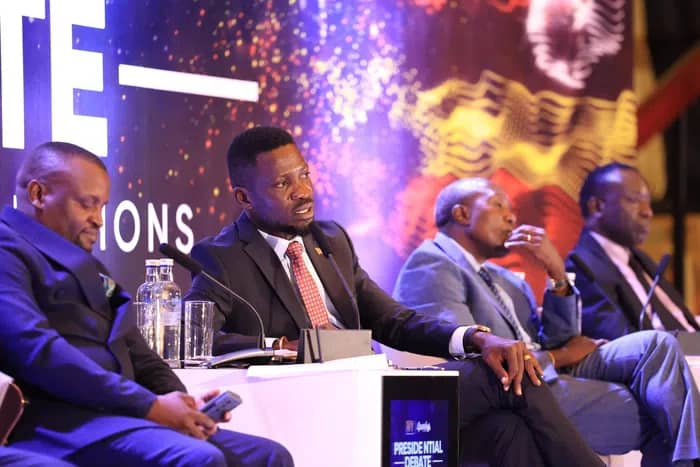
Opposition Parties Struggle to Unite as Election Clock Ticks Down
By The Urban Gazette Political Desk
Kampala, Uganda
As Uganda moves closer to the 2026 general elections, opposition parties are under increasing pressure to explain why unity remains elusive despite growing public frustration over economic hardship, unemployment, and governance challenges.
Behind closed doors, repeated attempts at coalition-building have stalled over disagreements on leadership structures, candidate selection, campaign financing, and regional influence. While opposition leaders continue to emphasize shared goals publicly, insiders say mistrust and competition have undermined sustained cooperation.
Political analysts warn that fragmentation could once again split opposition votes, particularly in Kampala and other urban centers where dissatisfaction with the ruling party is high but divided among multiple political actors.
“The ruling party doesn’t need to defeat a united opposition,” said a governance analyst. “Disunity does the work for them.”
Meanwhile, the National Resistance Movement (NRM) has intensified grassroots mobilization, relying on its nationwide structures and messaging centered on stability and continuity. For many young voters, the lack of opposition cohesion is fueling voter apathy and uncertainty.
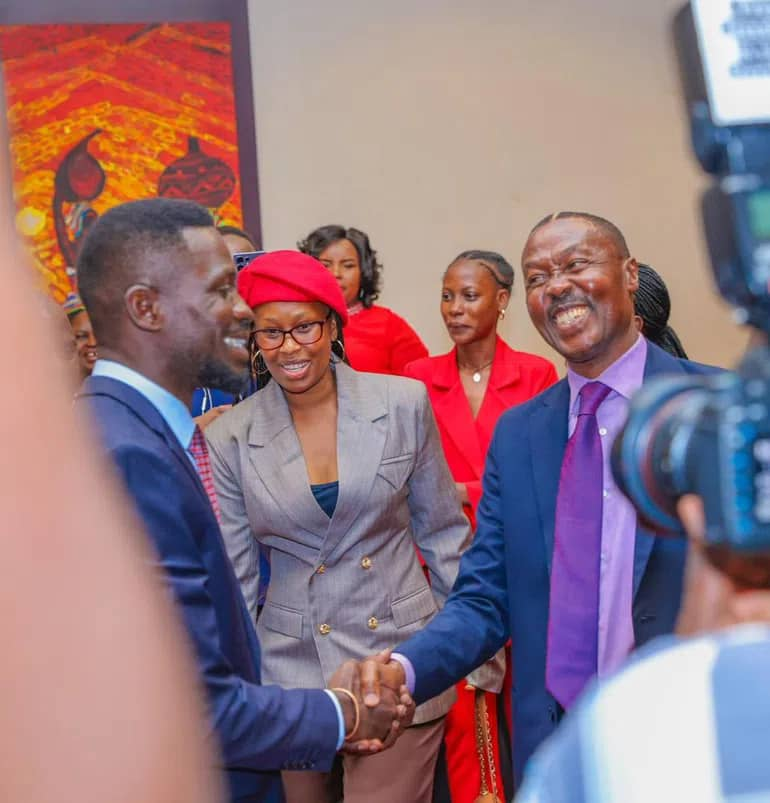
Why It Matters
Electoral competitiveness: Disunity weakens democratic choice.
Urban voter impact: Cities may decide the election if votes consolidate.
Political accountability: Strong opposition improves governance.
What to Watch
Last-minute coalition announcements
Joint opposition platforms or rallies
Youth voter registration and turnout trends