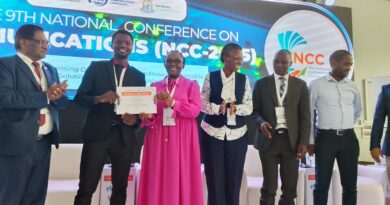
NCC 2025 Wrapped Up at Nakawa Innovation Hub:-Two Days of Breakthroughs, Partnerships & Local ICT Solutions
Kampala Uganda The 9th National Conference on Communications (NCC 2025), held over two action‑packed days at the National ICT Innovation Hub at the Uganda Institute of Information and Communications Technology (UICT), Nakawa, drew the curtain Friday with a strong call to accelerate homegrown digital solutions for Uganda’s development.
Under the theme “Harnessing Digital Innovation to Power Sustainable Local Solutions for Uganda’s Development Goals,” the conference, which ran from 2 to 3 October, brought together researchers, policy makers, private-sector leaders, technologists, and student innovators to share knowledge, forge partnerships, and explore scalable solutions in ICT.
Day 1: Opening, Keynotes & Research Showcases
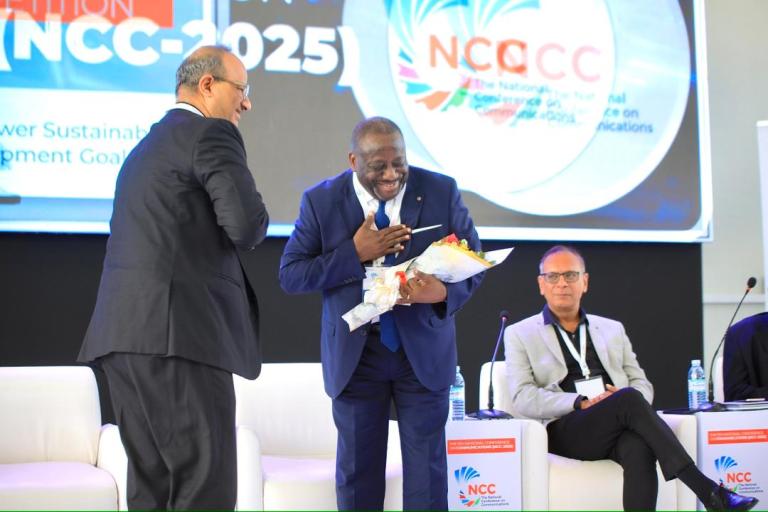
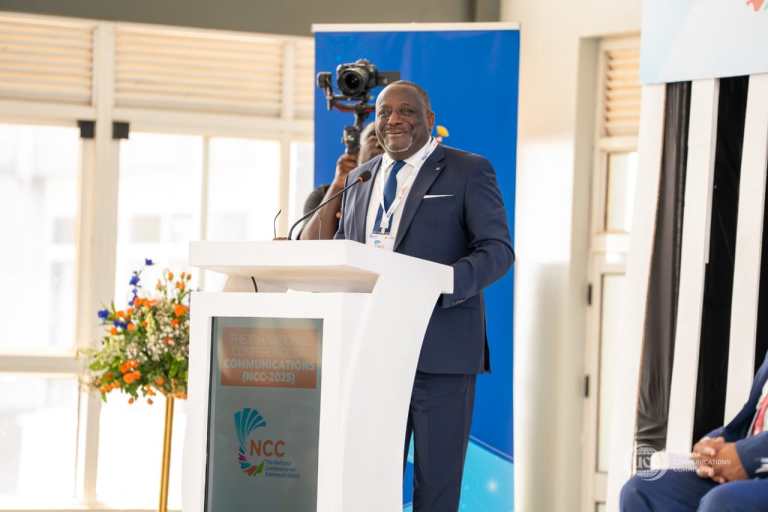
The first day opened with an official welcome from representatives of the Uganda Communications Commission (UCC), ISBAT University, and co‑organizers. In his keynote address, UCC Executive Director Nyombi Thembo emphasized the urgency of investing in local research and innovation to solve uniquely Ugandan problems, rather than relying solely on imported technologies.
Participants then broke into 12 technical tracks spanning topics such as:
AI, IoT & Edge Computing in rural and urban settings
HealthTech and Telemedicine for remote and underserved populations
EdTech & Digital Literacy in schools and remote communities
Agritech & Climate‑Smart ICT Solutions
Digital Governance, Civic Tech & Policy Innovation
More than 50 expert speakers from Uganda and East Africa presented peer‑reviewed papers on recent research findings, pilot projects, and proposed innovations.
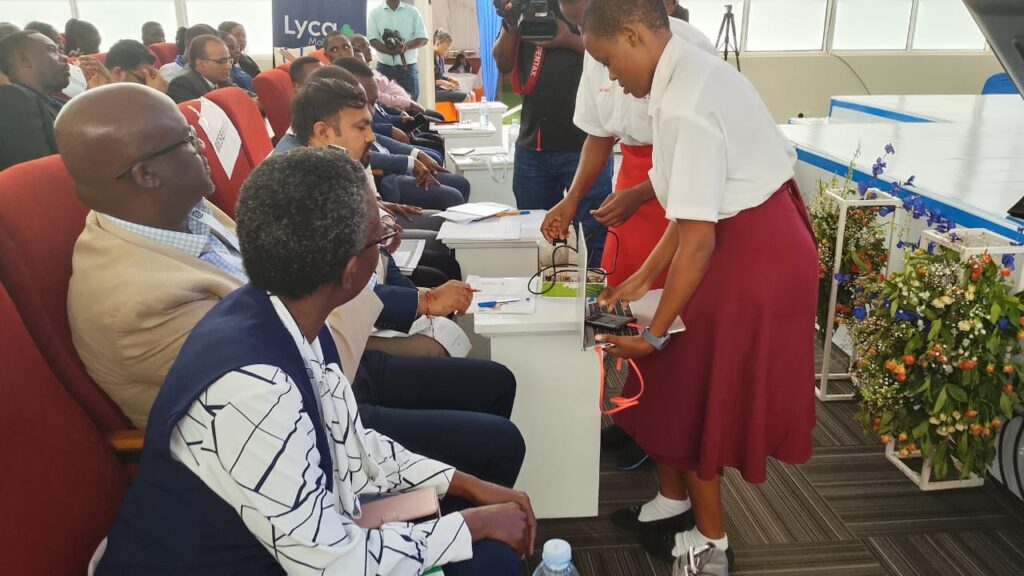
At the innovation showcase hall inside the Nakawa Innovation Hub, over 30 startups and researcher teams exhibited prototypes and live demos. Among the standout exhibits were:
A telemedicine kiosk prototype for rural clinics
An AI‑powered crop disease detection app using smartphone cameras
A school platform that adapts learning content based on student performance and connectivity
A civic feedback tool enabling citizens to lodge infrastructure complaints via low‑bandwidth SMS
Delegates visited the hub’s co‑working spaces and interacted directly with innovators, giving feedback, asking questions, and potential collaboration leads.
In the evening, a panel discussion moderated by a senior academic debated the challenges of scaling local innovations, including access to funding, regulatory bottlenecks, and capacity building in institutions.
Day 2: Policy, Partnerships & Student Innovation Competition
Day two began with a policy roundtable involving UCC, Ministry of ICT & National Guidance, regulatory bodies, and private telcos. The dialogue focused on how to create an enabling environment for innovators—covering issues like spectrum allocation, tax incentives, public procurement of local ICT solutions, and bridging the urban–rural infrastructure divide.
Next, a partners’ forum allowed NGOs, development agencies, universities, and investors to present programs and funding calls aligned with the conference theme, with opportunities to match with innovators present onsite.
A highlight of the second day was the student innovation competition. ICT clubs and student teams from secondary schools and universities pitched solutions addressing local challenges—such as waste management, water quality monitoring, disability inclusion, and community health. Judges included industry experts, academics, and government representatives. The top three winners were awarded seed grants and technical mentorship packages to further develop their prototypes.
In parallel tracks, breakout sessions focused on capacity building: masterclasses on academic writing, pitching to investors, intellectual property, and scaling from prototype to market. A few emerging innovators were invited to join incubator programs at the Nakawa Innovation Hub.
At closing, the conference organizers presented key declarations:
- A commitment to establish an NCC Innovation Taskforce to track follow-ups, match innovators with funding, and coordinate between ministries, hubs, and academia.
- The launch of a digital innovation fund pilot, focusing on early-stage ICT solutions in health, education, and agriculture.
- Encouragement for tertiary institutions to integrate innovation‑based curricula and partnerships with local hubs.
- A call for government to adopt local content procurement policies in ICT contracts where feasible.
UCC’s leadership thanked all participants, sponsors, and partners, and reaffirmed its role as facilitator of Uganda’s digital transformation journey.
Outcomes, Challenges & Looking Forward
By the close of NCC 2025, several meaningful outcomes were evident:
Dozens of new collaboration leads were formed between student teams, startups, and institutions
Several projects secured on-the-spot commitments from investors or mentors to support scaling
Organizers reported that 500+ participants attended across both days (in line with pre‑conference expectations)
The visibility of local ICT innovations was significantly boosted—both in media coverage and stakeholder awareness
Yet, challenges remain. Some innovators flagged concerns about access to reliable funding, limited exposure to markets, weak regulatory agility, and disparities in digital infrastructure between urban and rural areas. The success of this conference hinges on concrete follow-through in the months ahead.
As the nal echoes fade and the hub’s halls return to daily routines, the spirit of collaboration and innovation fostered over these two days will endure—if it is sustained by action and accountability. NCC 2025 has laid strong foundations; the real test lies in turning ideas into impact.
A wide shot of the Nakawa Innovation Hub, busy with booths and attendees
Students pitching their innovations to judges
Delegates in a policy roundtable session
Hub staff and organizers at the closing event.