NASA and JAXA Achieve Surprise Lunar Landing
A stealth touchdown signals new era of international lunar collaboration
By Urban Gazette Science Desk
Houston / Tokyo
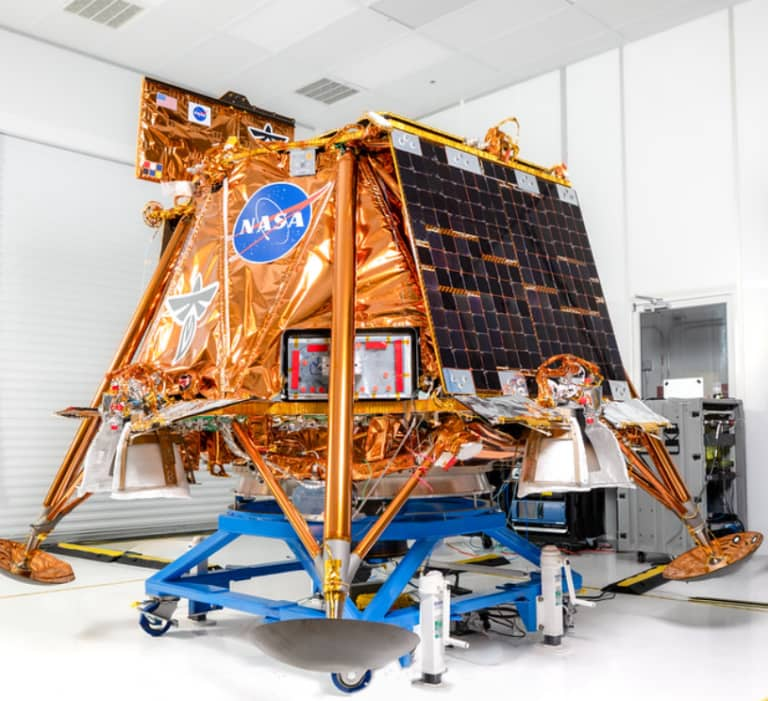
NASA and the Japan Aerospace Exploration Agency (JAXA) have successfully completed a stealth lunar landing in the Marius Hills region of the Moon, officials confirmed Wednesday. The landing, kept largely secret until now for security and operational reasons, is part of a joint mission designed to test advanced autonomous navigation systems and to explore potential sites for future lunar habitation.
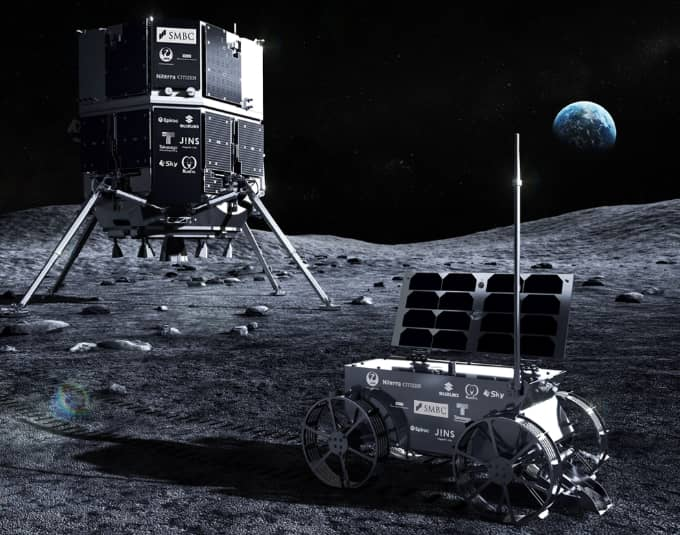
The Marius Hills area, known for its volcanic domes and lava tubes, is considered an ideal candidate for establishing a stable and sheltered lunar outpost. The mission marks the first time NASA and JAXA have coordinated a quiet, unpublicized landing to reduce operational risk and protect sensitive technology demonstrations.
Mission Objectives
According to NASA, the landing’s primary goals were:
- Testing next-generation guidance systems capable of millimeter-level precision in uneven terrain.
- Identifying potential subsurface lava tubes for future human settlement and long-duration missions.
- Collecting initial geological and topographical data for scientific research and resource mapping.
- Validating cooperative protocols between two major space agencies for shared lunar operations.
“This mission is a major step forward in international lunar cooperation,” said NASA Administrator Dr. Sophia Rodriguez. “By combining expertise with JAXA, we are preparing for a sustainable, long-term presence on the Moon.”
JAXA’s chief scientist, Dr. Kenji Hayashi, added, “We are thrilled with the success of the landing and the high-quality data we are already receiving. Marius Hills offers a unique environment to advance lunar habitation science.”
A Quiet Achievement with Global Implications
Unlike previous high-profile lunar missions, this landing was conducted with minimal media exposure to avoid drawing attention from rival space powers. Analysts suggest that the stealth approach reflects growing geopolitical sensitivities around lunar exploration, especially in light of China’s rapidly expanding lunar program and increasing private sector involvement.
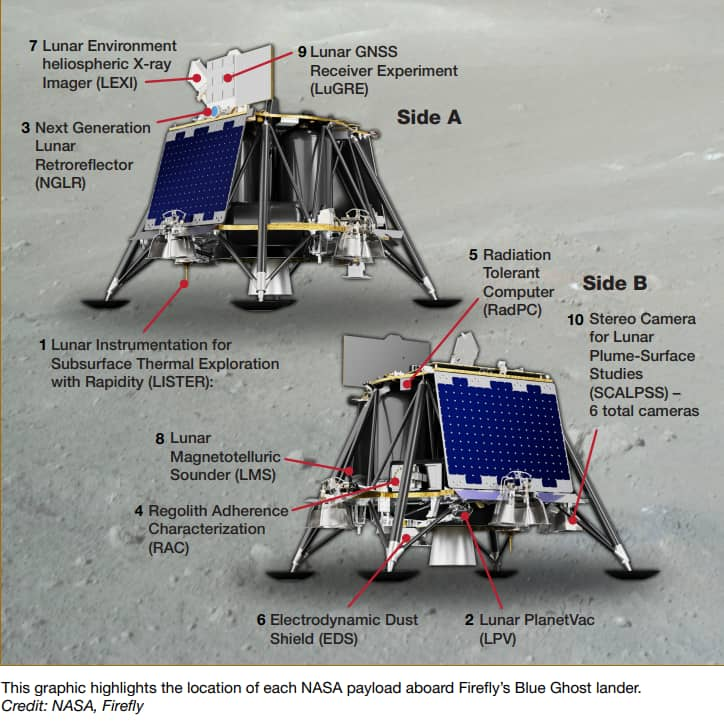
The landing vehicle, equipped with high-resolution imaging sensors and spectrometers, is expected to transmit its first images within 48 hours. Early data will inform planning for NASA’s Artemis III crewed mission, scheduled for 2026, and for JAXA’s planned robotic lunar exploration series.
Why It Matters
International cooperation: Strengthens ties between the U.S. and Japan in space exploration at a critical time.
Long-term lunar strategy: Provides actionable data for establishing habitats in volcanic caves, potentially shielding astronauts from radiation and micrometeorites.
Technological advancement: Autonomous navigation and precision landing technologies can be applied to future missions across the solar system.
Global competition: Signals to China, Europe, and private space companies that the Moon remains a priority for strategic and scientific initiatives.
What to Watch
Release of first landing images and video footage from the lunar surface.
Further analysis of Marius Hills lava tubes for human habitability.
NASA and JAXA announcements about next-stage joint missions.
Reactions from other space-faring nations, particularly China and the UAE.
Quotes From Experts
Dr. Emily Chen, aerospace analyst: “This landing underscores the quiet yet strategic nature of modern lunar missions — balancing science with geopolitics.”
Astronaut candidate and lunar researcher, Lt. Col. Marco D’Souza: “Marius Hills could become the first practical shelter on the Moon. This is a historic demonstration for long-term human spaceflight.”