Museveni announces “individualised water systems” plan for Karamoja
Amudat, Karamoja/Uganda
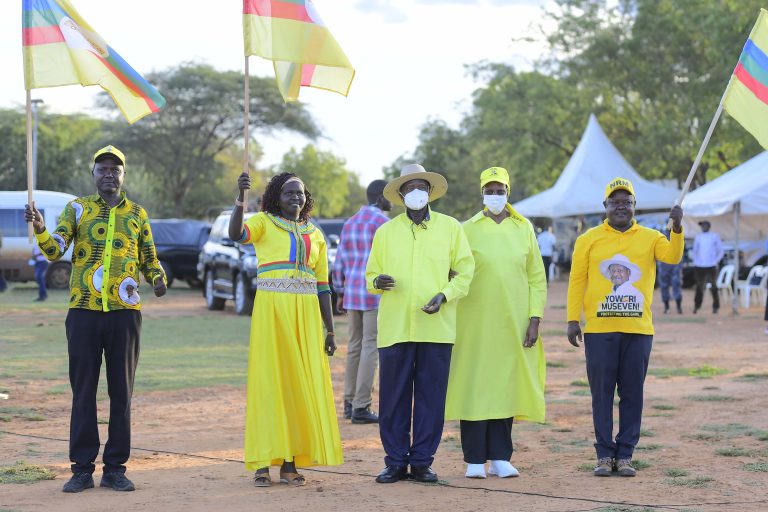
President Yoweri K. Museveni on Tuesday 28.October 25 unveiled a government plan to roll out “individualised water systems” across Karamoja — a move he said is aimed at transforming pastoral and smallholder livelihoods by giving productive households reliable access to water for irrigation and livestock.
Speaking at a campaign rally in Amudat, the president framed the initiative as a shift away from reliance on communal valley dams and boreholes, toward smaller-scale, household-level water access that officials say will support commercial farming and reduce resource-driven insecurity. He told supporters the government is analysing models that would ensure “water at each home” for wealth creators in semi-arid areas.
Government and local media reports note the plan complements earlier investments — valley dams, solar-powered irrigation and wind abstraction pilots — but acknowledges serious gaps: in some districts borehole coverage remains well below national targets, and seasonal droughts regularly undermine communal supplies. Officials say the new policy will combine on-site household solutions, off-grid pumping and financing mechanisms to accelerate uptake.
Water access advocates welcomed the emphasis on production-minded water services but urged clarity on funding, operation and maintenance. “Individualised systems can be transformative only if they are affordable to install and maintain,” said a WASH sector representative contacted by local outlets. NGOs and banks have previously called for blended financing and microloan products to support household water-for-production investments.
Local leaders in Karamoja said the plan could reduce long treks for water and ease grazing pressures that historically contributed to conflict. However, analysts caution implementation will require coordinated planning across ministries (water, agriculture, local government) and clear mechanisms for sustaining systems — from spare parts supply chains to technical training for rural communities.
What to watch: rollout timelines for pilot districts, financing vehicles (public vs. donor-supported), and whether private banks or microfinance institutions are brought in to support household-scale installations.