Military Coup Overthrows Government in Guinea‑Bissau Days After Presidential Vote
Bissau, Guinea Bissau
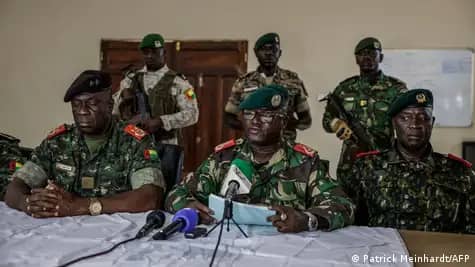
In a dramatic turn of events, senior army officers in Guinea-Bissau declared on November 26, 2025 that they have deposed President Umaro Sissoco Embaló and assumed control over the West African country. The takeover came just days after a fiercely contested presidential election, and one day before official results were due to be announced. Gunfire rang out in the capital, borders were closed, a curfew was imposed, and the electoral process was immediately suspended under a newly formed junta calling itself the High Military Command for the Restoration of National Security and Public Order. The junta announced that it would govern “until further notice” and justified the coup as necessary to avert alleged electoral manipulation involving drug networks and foreign interests. Later the same week, the junta appointed Horta Inta-A Na Man as transitional president, installed a new prime minister, and began reorganizing the government structure.
Why it matters
Guinea-Bissau’s coup deepens a long cycle of political instability in a country already known for frequent power detentions and fragile institutions. The disruption jeopardizes democratic norms, threatens to reverse any gains from the November vote, and undermines regional stability in West Africa. The takeover also raises serious questions about the integrity of the electoral process and the influence of illicit networks in politics, alarming civil-society actors, international observers and neighbouring states.
What to watch
Global and regional response will be critical — follow statements and actions from ECOWAS, the African Union, and international diplomatic partners. Watch for domestic resistance from opposition figures, possible civil unrest, and how the junta plans to manage governance, elections or transition timelines. Keep an eye on the security situation in the capital, border controls, and possible migration flows.