Market Order & Chaos: Busega Market’s Struggle for Fairness
While KCCA upgrades market infrastructure and improves vendor zoning, power plays over who gets stalls at the newly built Busega Market provoke tension.
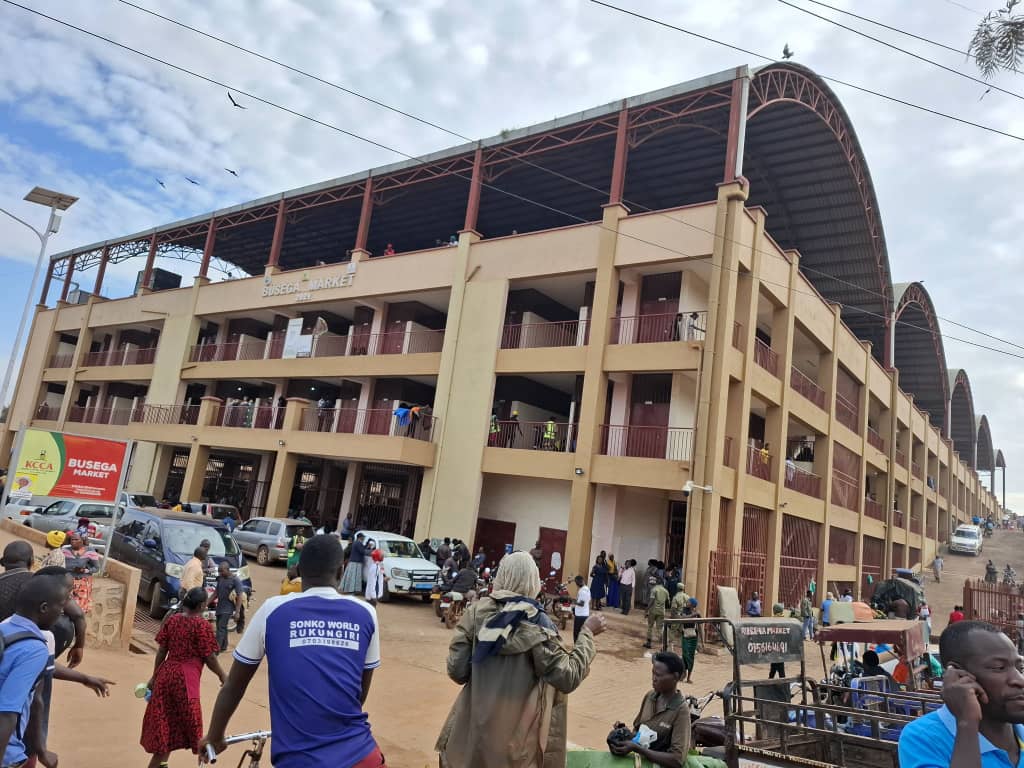
Around two weeks after its official opening, Busega Market—one of Kampala’s newest modern markets—has become the focus of controversy. The market, meant to provide better conditions for vendors and shoppers alike, is now struggling with disputes over stall allocations, accusations of unfairness, and fears among small traders that the wealthy and connected are grabbing prime spots.
What’s Going On
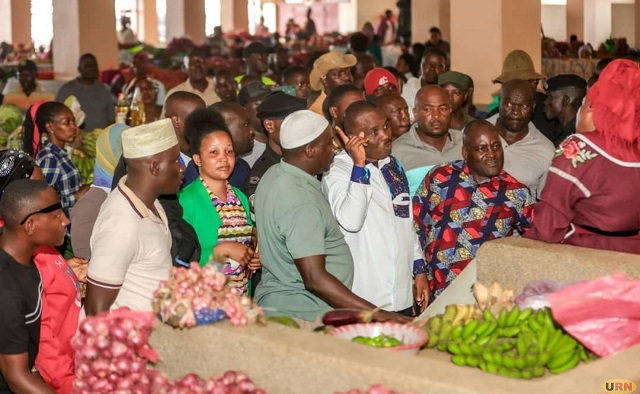
Stall Allocation Disputes: Ordinary traders say they are being marginalized—even excluded—from well-located stalls. There are claims of favoritism—some wealthy individuals allegedly securing the better stalls. Some traders fear eviction or losing their place.
Authority vs Policy: The Kampala Capital City Authority (KCCA) has defended itself, saying it is enforcing the Markets Act 2023 and directives around market management, allocation, vendor registration, and stall governance. But enforcement seems uneven.
Voice of Traders & Political Oversight: Lord Mayor Erias Lukwago has joined the conversation, decrying that ordinary traders are oppressed. The issue is both administrative and political—how market spaces are governed, who has influence in allocation, and what transparency there is.
Broader Context
Kampala has been pushing vendor registration, zoning of markets (public and private), and new infrastructure for markets. Busega Market is part of these efforts.
But longstanding issues—land ownership, informal systems, corruption or favoritism, lack of transparency—still challenge how equitable such projects become.
Market infrastructure is more than physical: it involves governance, fair allocation, economic inclusion, and ensuring that small, informal traders (often women, migrants, low-income) are not squeezed out.
Busega Market symbolizes both hope and caution. It shows how infrastructure investment matters—but equally important are fairness, transparency, and inclusion. If Kampala’s urban renewal is to be meaningful, it must ensure that market spaces benefit everyone, not just the connected or powerful. Busega could be a success story—or a missed opportunity.