Kigali Transforms Public Transport with Rwanda’s “Airline-Style” Bus System
From Waiting to Scheduling: Kigali’s New Bus Era
Kigali, Rwanda
Kigali commuters are adjusting to a system that feels more like an airline than traditional city transport. After decades of informal, fill-and-go buses, the government has introduced a pioneering airline-style model where buses depart on fixed schedules regardless of passenger numbers. The reform promises a reliable, punctual, and more organised service, representing a radical shift in how Rwandans experience urban mobility.
“This is a game-changer,” says Jean-Claude Uwimana, a daily commuter from Kacyiru to Nyabugogo. “Before, I never knew when a bus would leave. Sometimes I waited thirty minutes or more for a vehicle that eventually left half-full. Now, the schedule is clear, and I can plan my day.”
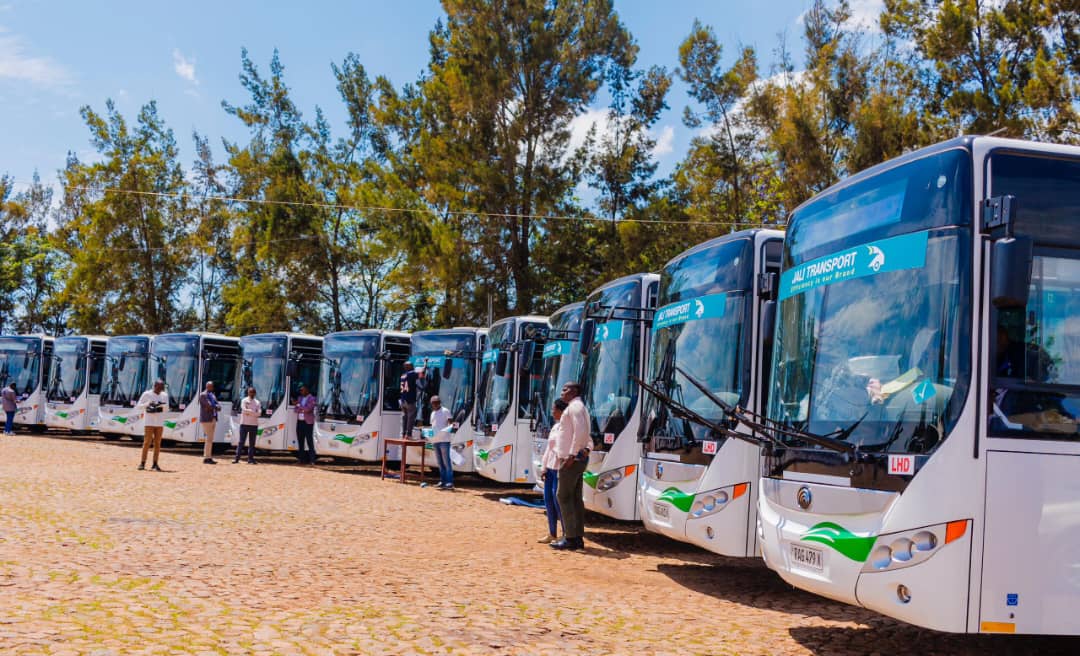
The Cabinet approved the reform in mid-2025, giving the green light to a centralised management system run by Ecofleet Solutions, a state-backed agency responsible for scheduling, route planning, bus park operations, and payment oversight. Operators, including private companies such as Jali Transport, now run services under performance-based contracts. Unlike the old system, where drivers prioritized revenue over reliability, operators will be assessed on punctuality, service quality, and adherence to schedules.
How the Airline-Style Model Works
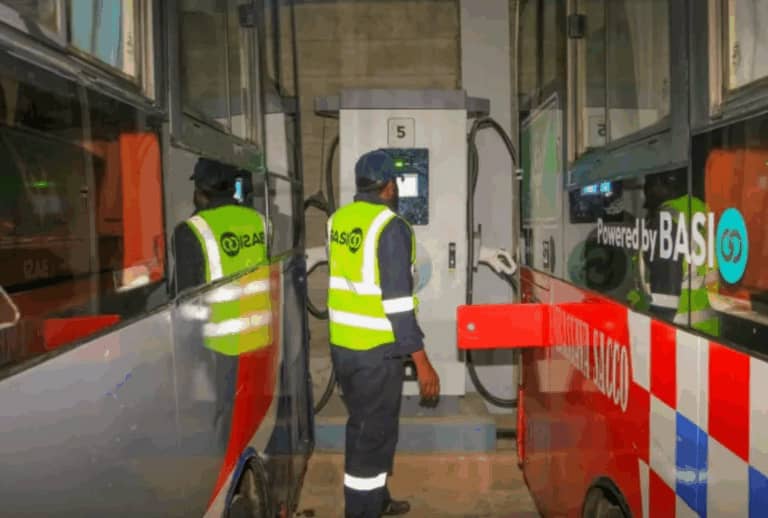
Under the new system, buses are expected to leave the bus park with no more than ten minutes’ delay and can spend a maximum of three minutes at each stop. Real-time monitoring ensures accountability, and passengers can track departures through mobile apps and station displays. By removing the need to wait for a bus to fill, the reform also reduces congestion at bus parks and improves turnover, allowing a larger number of people to travel efficiently during peak hours.
Beyond improving reliability, the airline-style model is part of Kigali’s broader urban transport upgrade. Dedicated bus lanes are being expanded, modern bus parks with better amenities are being built, and traffic enforcement is being strengthened to allow buses to move swiftly through the city. Commuters will experience quieter, smoother rides thanks to better-maintained vehicles and centralised scheduling, making public transport a more appealing option than private cars or motorcycles.
Commuter Voices and Reactions
Many commuters welcome the change but acknowledge a learning curve. “I still check with drivers to make sure the schedule is followed,” says Claudine Mukarubibi, a student at the University of Rwanda. “But it’s already easier to plan classes and appointments. It feels like Kigali is finally thinking about passengers, not just operators.”
Operators are also adjusting. A manager at Jali Transport explains that performance-based contracts are encouraging professional standards. “We now focus on timeliness, customer experience, and fleet maintenance,” he says. “Revenue is no longer just about how many passengers we can cram in. We have to run the service like an airline — predictable, reliable, and efficient.”
Comparing Old and New Systems
Under the old system, buses often waited until reaching full capacity before leaving the bus park, leading to unpredictable delays. During peak hours, passengers faced overcrowding, frustration, and even conflicts with operators. Routes were poorly coordinated, and traffic congestion was worsened by buses stopping frequently and erratically.
The new airline-style model replaces uncertainty with predictability. Schedules are published and enforced, travel times are reduced, and oversight ensures operators adhere to regulations. Commuters benefit from more orderly bus parks, consistent departure times, and improved safety standards, while operators gain structured systems that incentivize efficiency rather than opportunistic revenue collection.
The Bigger Picture
Rwanda’s airline-style bus reform is more than just a local change; it is part of a national vision for urban mobility that is efficient, reliable, and environmentally sustainable. By improving public transport, Kigali can reduce traffic congestion, lower emissions, and make commuting more predictable for residents.
This model also positions Rwanda as a potential blueprint for other East African cities struggling with informal, inefficient public transport. Lessons learned from Kigali’s transition — including how to manage schedules, maintain fleet reliability, and communicate effectively with passengers — could inform urban transport planning across the region.
Challenges and Opportunities
The system’s success depends on consistent enforcement, sufficient fleet capacity, and commuter adaptation. Scheduling is only effective if buses are available and maintained, fares remain affordable, and passengers understand how to navigate the new system. Infrastructure, including bus lanes, depots, and real-time information systems, must support operations to ensure reliability.
The airline-style approach also opens opportunities for innovation. Mobile apps, digital payments, and real-time updates can enhance user experience. As Kigali’s residents adjust to the new rhythm of scheduled departures, the city’s streets may become more efficient, cleaner, and less chaotic.