Kenya Embarks on $1.5 Billion Highway Upgrade – What It Means for East Africa
Roads Set for Major Expansion
Nairobi, Kenya
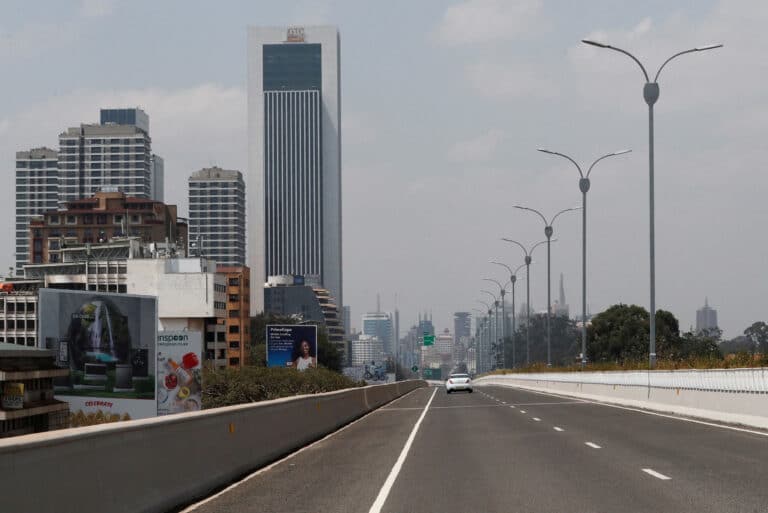
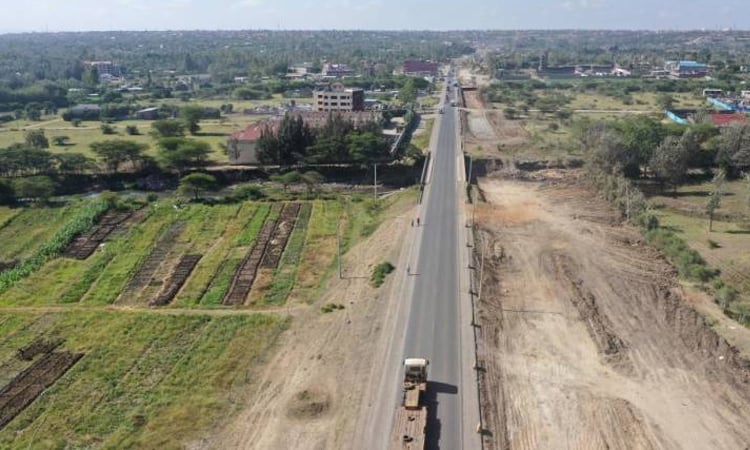
Kenya has signed a major $1.5 billion contract with Chinese state‑owned companies for a highway expansion project that will upgrade critical roadways linking the port of Mombasa to the interior and onward to landlocked neighbours such as Uganda. The first phase will cover a 139‑kilometre stretch, while a second phase is planned to widen more segments, improving traffic flow and safety across the corridor.
This infrastructure investment arrives as part of a broader regional push to modernise transport corridors — balancing rail, road and transport network upgrades to meet growing demand for efficient trade and mobility across East Africa.
Why It Matters
Upgrading highways boosts the capacity of regional supply chains to handle heavier loads at higher speeds. For Kenya, this means improved domestic logistics, better linkages between the coast and hinterland, and a strengthened position as a gateway to landlocked neighbours.
For Uganda, Rwanda and other inland economies, Kenya’s upgraded highways offer an alternative — alongside rail — to connect to the port of Mombasa. Combined with planned rail extensions, the mix of road and rail infrastructure gives regional trade a chance to grow more dynamically, reducing bottlenecks that have long hampered economic integration.
Improved roads can also enhance safety, reduce travel time for travellers and commercial transport, and support sectors such as logistics, tourism and cross‑border commerce. On a broader scale, the project underlines China’s continuing role in African infrastructure development, reflecting a pattern of foreign investment shaping the region’s transport future.
What to Watch
How the project will be financed and managed over the long term remains critical. While funding has been secured, toll regimes, debt servicing, maintenance costs, and environmental impacts will be under close scrutiny.
Harmonisation with rail and other transport upgrades will determine whether the investment delivers real value. Overreliance on highways may undermine rail investments, while balancing both could foster a diversified, resilient transport system.
Regional trade dynamics will also shift: businesses and transporters may need to reassess routes depending on cost, speed, and reliability of road vs rail. Governments will need to ensure that standards, regulation, and maintenance keep pace with expansion to avoid deterioration after completion.