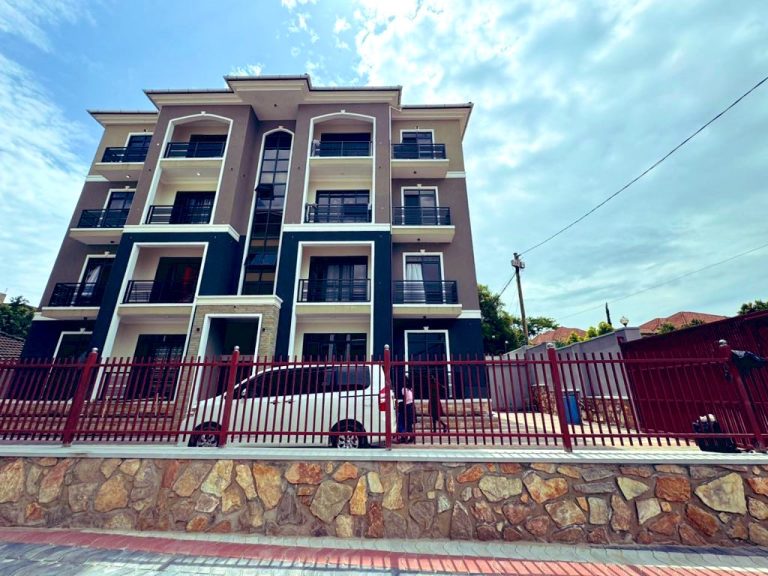
Kampala’s Housing Crisis Deepens as Rent Prices Surge and Affordable Units Remain Scarce
Urban Affairs Reporter
Kampala, Uganda
Rents across Kampala have surged over the past year, pushing low- and middle-income residents further from the city center as demand for housing continues to outpace supply, according to property data and tenant advocates.
In neighbourhoods such as Kisaasi, Ntinda, and Makindye, average rent for a one-bedroom apartment has risen sharply, driven by rapid urban population growth, rising land values, and increased construction costs.

Landlords have justified the hikes by pointing to higher building material prices and utility costs, but tenant groups argue that the increases are disproportionate to wage growth. Many residents are now relocating to Wakiso and Mukono districts, increasing commute costs and congestion.
Housing advocates say the absence of enforced rent controls and weak tenant protection laws have worsened the problem. Uganda still lacks a fully implemented national housing policy that prioritizes affordable urban housing at scale.
Private developers continue to focus on high-end gated estates, while low-cost housing projects remain limited and underfunded.
Why it matters:
Housing affordability affects access to jobs, education, healthcare, and security. If unchecked, rising rents could deepen urban poverty, expand informal settlements, and strain transport systems as more people are pushed to city outskirts.
What to watch
Draft rent regulation proposals in Parliament
Kampala Capital City Authority (KCCA) urban housing strategies
Growth of informal settlements in Kawempe and Rubaga divisions
UN-Habitat affordable housing models in African cities
World Bank and AfDB housing finance programs for emerging markets