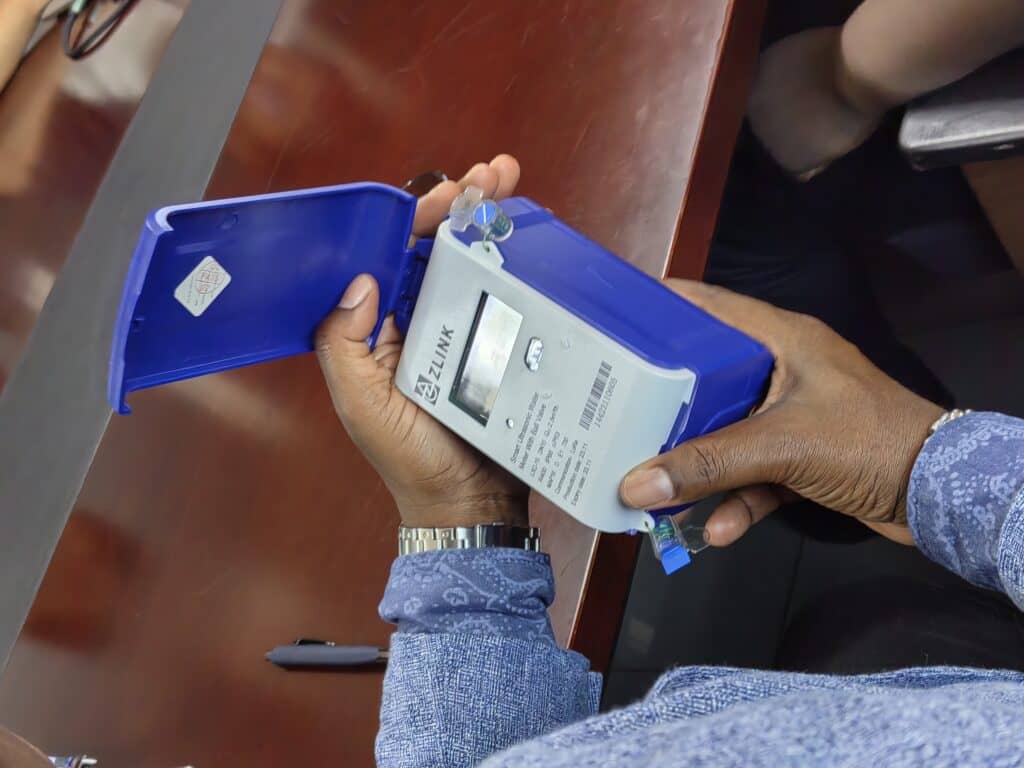
Kampala to roll out 1,400 prepaid water meters in drive to cut out middlemen
Kampala ,Uganda
Germany-backed project and NWSC partnership aim to expand safe water access and reduce corruption in supply chains.
Kampala is set to begin deployment of more than 1,400 prepaid water meters across the city as part of a push to eliminate informal “water middlemen” and expand equitable access to safe water. The National Water and Sewerage Corporation (NWSC), working with development partners, says the meters will be installed in high-need areas and informal settlements where residents have historically paid inflated rates to intermediaries who control supply. The project is framed as both a governance reform — by reducing opportunities for diversion and bribery — and a technical intervention to improve billing accuracy and revenue collection.

NWSC officials say the prepaid meters will allow customers to top up credit as they use water, rather than relying on monthly bills that are hard to enforce in informal contexts. The German Embassy has provided technical and financial support to the rollout, which officials say will complement ongoing rehabilitation of the Nalukolongo treatment works and distribution networks. The initial batch of meters will be targeted to zones where pilot studies showed frequent illegal connections and chronic gaps between production and billed consumption.
Local leaders and civil society welcomed the move but urged NWSC to pair meter deployment with community education, transparent price settings, and measures to protect the poorest households (such as lifeline allocations or targeted subsidies). Analysts warn that meters alone will not fix underlying infrastructure deficits: they must be matched with investment in pipes, pressure management, and billing systems to eliminate the incentives for middlemen to operate.
Why it matters: reliable metering can reduce non-revenue water, allow better planning for future expansion, and make service provision more transparent — but social protections will be essential to avoid penalizing low-income households.