Kampala Makes Gains in Sanitation — But Waste-Water Management Remains a Major Challenge
Kampala, Uganda
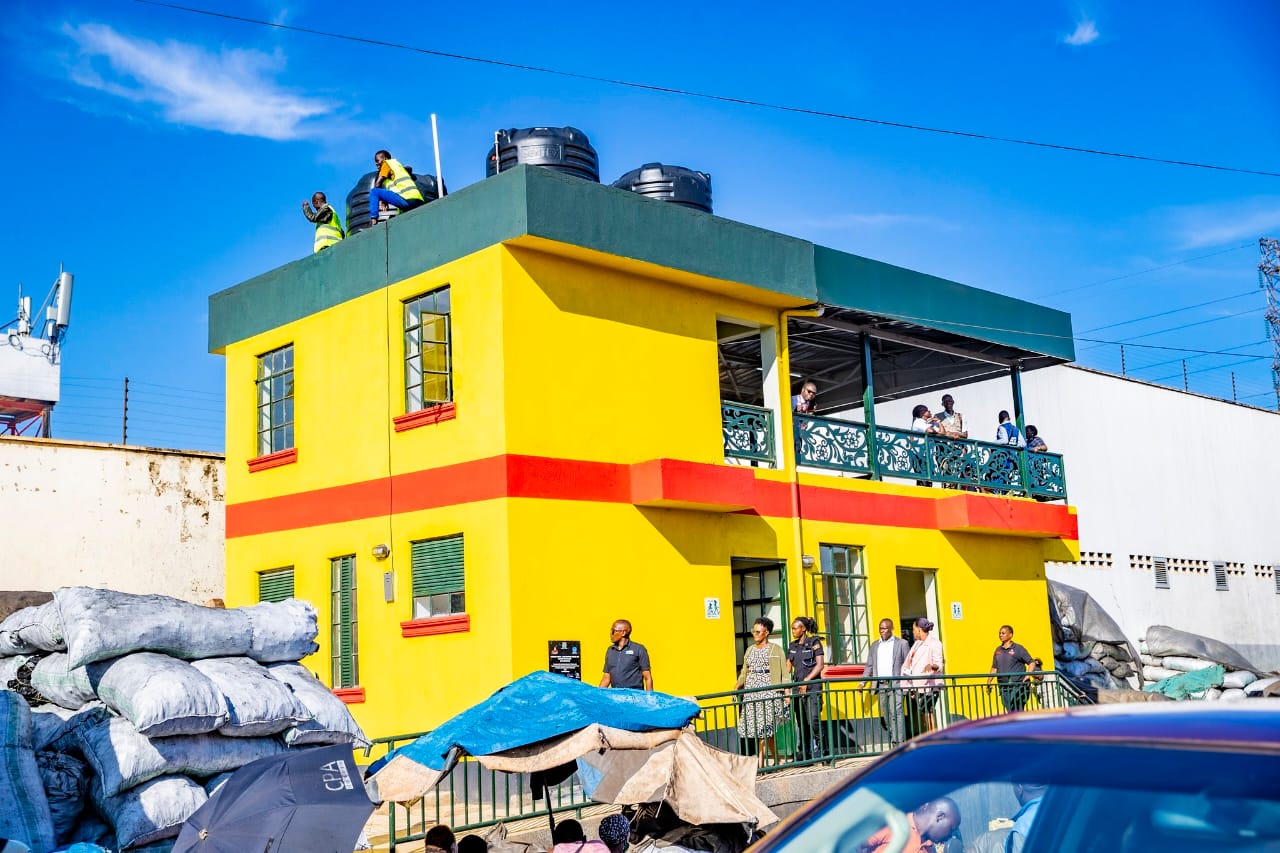
The capital city, Kampala Capital City Authority (KCCA), has recorded marked improvements in sanitation coverage over the past five years thanks to a Citywide Inclusive Sanitation (CWIS) approach. As of late 2025, coverage of fecal-sludge management services in Kampala has reportedly risen from about 32 percent in 2020 to nearly 70 percent. Upgrades to key treatment facilities — including Nakivubo and Nalukolongo — and the rollout of public toilets through public–private partnerships have contributed to the gains.
Despite this progress, less than 15 percent of Kampala’s population is connected to the central sewer network. The majority rely on pit latrines or septic tanks, many of which are poorly maintained, posing significant risks during rainy seasons when overflows and contamination are common.
Why it matters
Improved sanitation is critical for public health, especially in informal settlements where poor wastewater management can lead to outbreaks of waterborne diseases, affect child health, and exacerbate poverty. The expansion of fecal-sludge services and public toilets shows progress toward safer, more dignified living conditions for city dwellers.
Nevertheless, the limited connectivity to proper sewer networks means a large portion of residents remain vulnerable — especially during heavy rains when contamination and floods can worsen. Addressing wastewater management is essential for long-term urban hygiene, environmental protection, and resilience to climate-related flooding.
What to watch
Whether KCCA and national authorities move to expand the sewer-network coverage beyond 15 percent — possibly through phased infrastructure investments or partnerships. Whether wastewater treatment capacity keeps pace with sanitation service expansion and population growth. How informal settlements and peri-urban zones are included in sanitation planning to ensure equity. And whether the public–private model for toilets and sludge management remains financially sustainable and inclusive for low-income residents.