ICC Sentences Sudan’s Militia Ali Muhammad Ali to 20 Years
The Hague, Netherlands
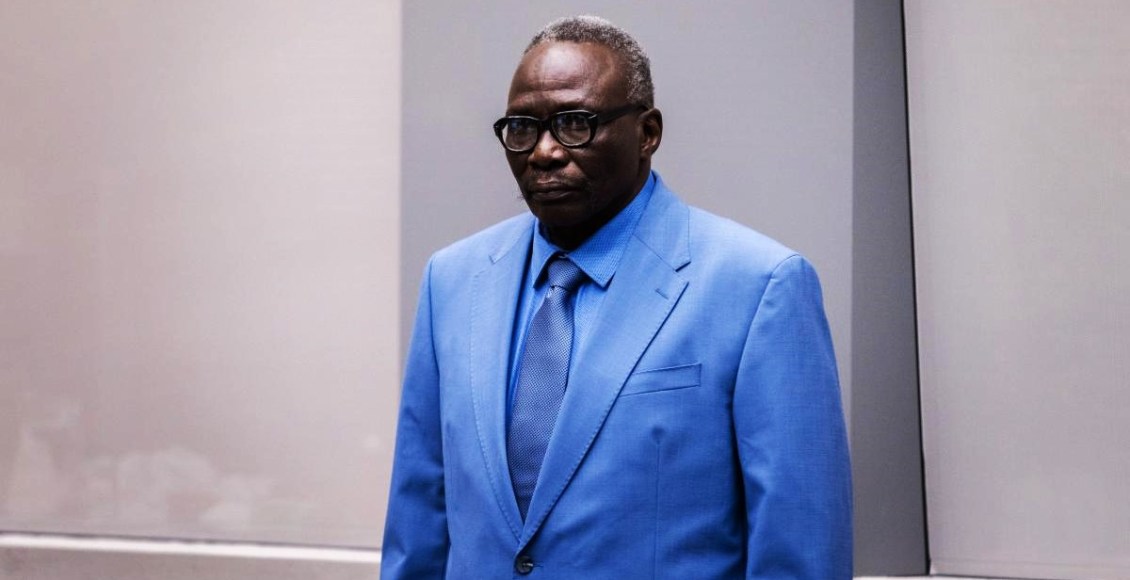
The International Criminal Court (ICC) has delivered one of its most consequential rulings in recent years, sentencing former Janjaweed militia commander Ali Muhammad Ali Abd-Al-Rahman, widely known as “Ali Kushayb,” for war crimes and crimes against humanity committed during Sudan’s Darfur conflict.
The judgment follows a highly publicized trial that laid bare harrowing testimony from survivors of village massacres, mass sexual violence, forced displacement, and systematic destruction of civilian communities between 2003 and 2004.
Judges found Abd-Al-Rahman culpable on numerous counts, including murder, torture, persecution, and attacks on civilians. The court emphasized that the crimes were not random acts of battlefield violence but coordinated efforts to terrorize and eliminate targeted communities.

For survivors, many of whom testified behind protective screens, the ruling marks a rare moment of international recognition of their suffering. For Sudan, the verdict has reopened difficult national conversations about accountability, transitional justice, and the country’s long-delayed reckoning with its violent past.
Human rights organizations have welcomed the ruling as a milestone in the fight against impunity but warned that it also exposes the limitations of international justice systems. Many senior figures implicated in Darfur-era atrocities remain free, some still wielding political or military power.
The decision arrives at a critical moment as Sudan continues to struggle with political instability and armed conflict, complicating efforts to implement domestic justice mechanisms or extradite remaining suspects.
Legal analysts say the ruling could influence future prosecutions in international courts, reinforcing the idea that no conflict zone — no matter how remote or politically complex — is beyond the reach of global accountability structures.
Yet for the millions displaced by the Darfur conflict, justice remains incomplete. Reparations, psychological support, and safe return to ancestral lands remain distant hopes rather than immediate realities.
Why It Matters
This ruling strengthens the principle that war crimes can follow perpetrators across borders and decades. It sends a direct message to armed actors worldwide that accountability, while slow, is possible — even in politically volatile environments.
What to Watch
Whether Sudan cooperates further with international justice bodies
Potential new indictments linked to the Darfur conflict
Increased pressure on regional governments to arrest remaining suspects