Hunger Emergency Mounts: 7.5 Million South Sudanese Face Severe Food Insecurity
JUBA, South Sudan
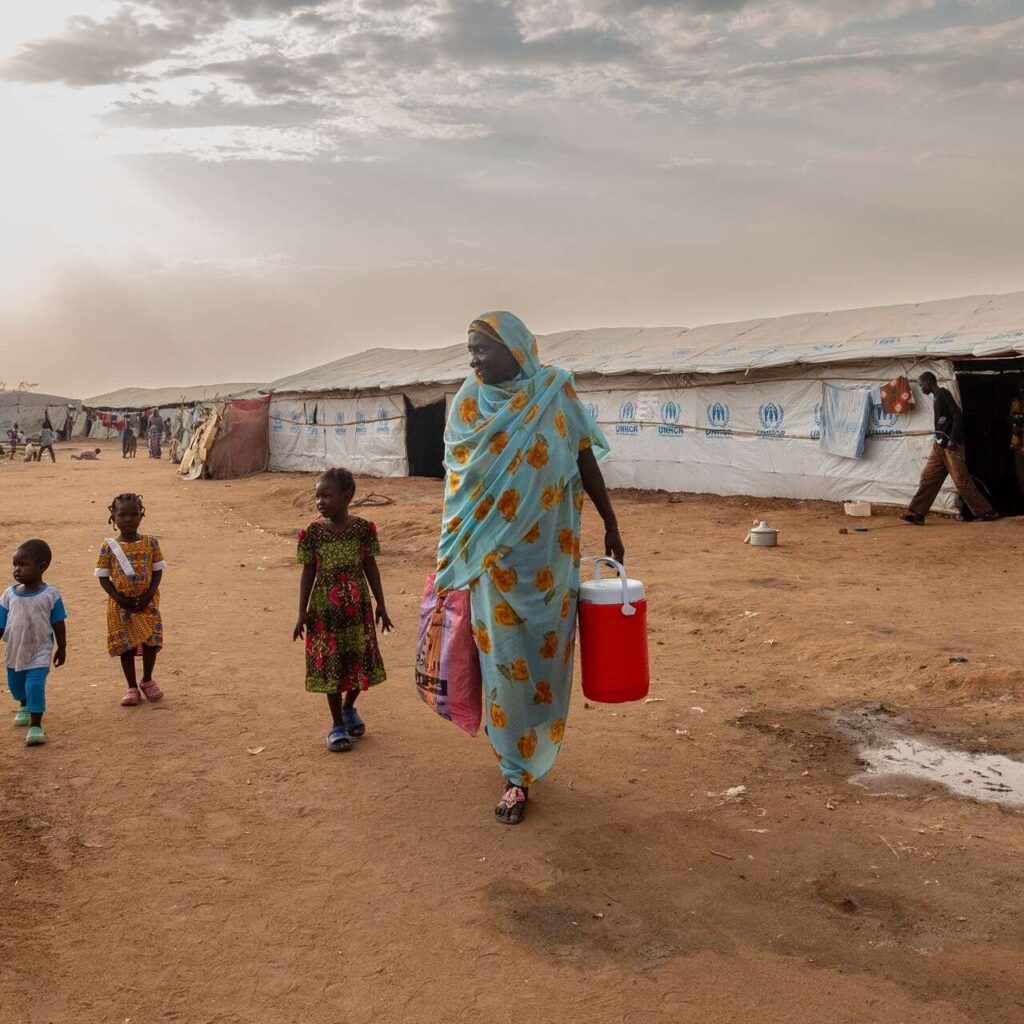
A recent food security assessment warns that over 7.5 million people in South Sudan could face crisis-level or worse hunger during the 2026 lean season, with certain counties — including Nasir and Fangak — already on the brink of catastrophic food insecurity. Floods, conflict, and restricted humanitarian access have combined to imperil millions more.
Local analysts and humanitarian experts say the convergence of these pressures — insecurity, displacement, poor harvests, and limited aid deliveries — could result in widespread malnutrition, hunger-driven migration, and even famine in the coming months if not addressed urgently.
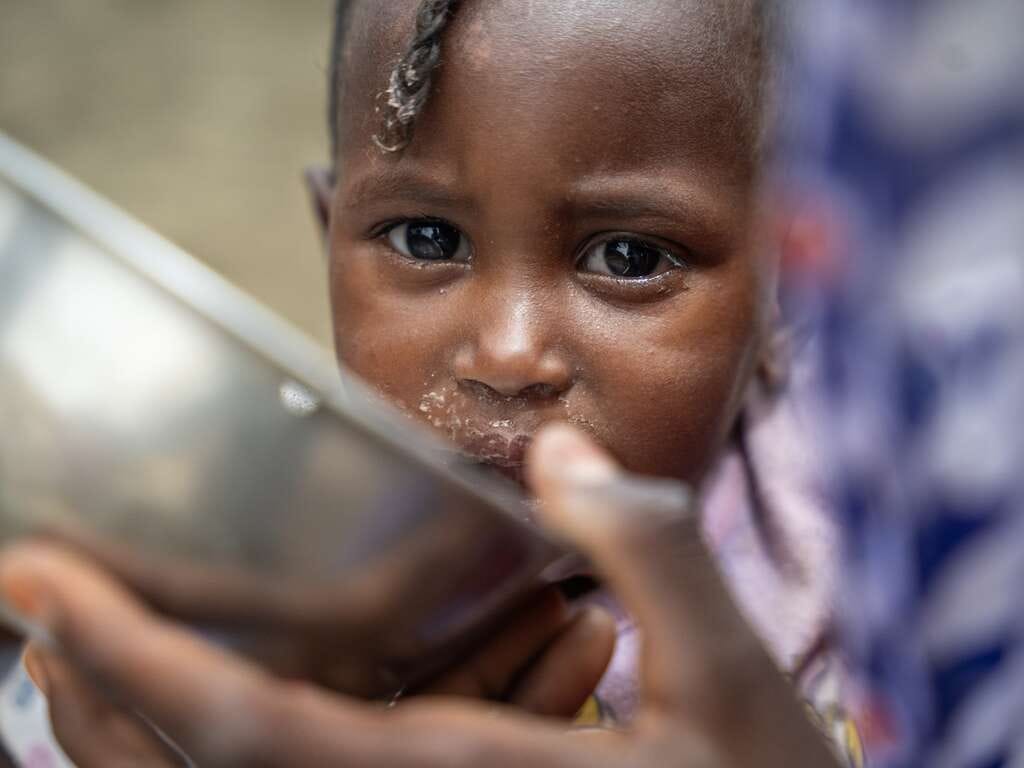
Communities in flood-affected and conflict-affected counties are already reporting falling crop yields, shrinking food stocks, and rising prices. Aid organizations warn that without a substantial injection of resources and guaranteed access, many families will struggle to survive the next lean season.
Why It Matters
Access to reliable food and nutrition is fundamental to survival, social stability, and economic recovery. A major hunger crisis risks mass displacement, disease outbreaks, social unrest, and long-term damage to development. For a fragile state like South Sudan, such a crisis could reverse gains and deepen instability.
What to Watch For
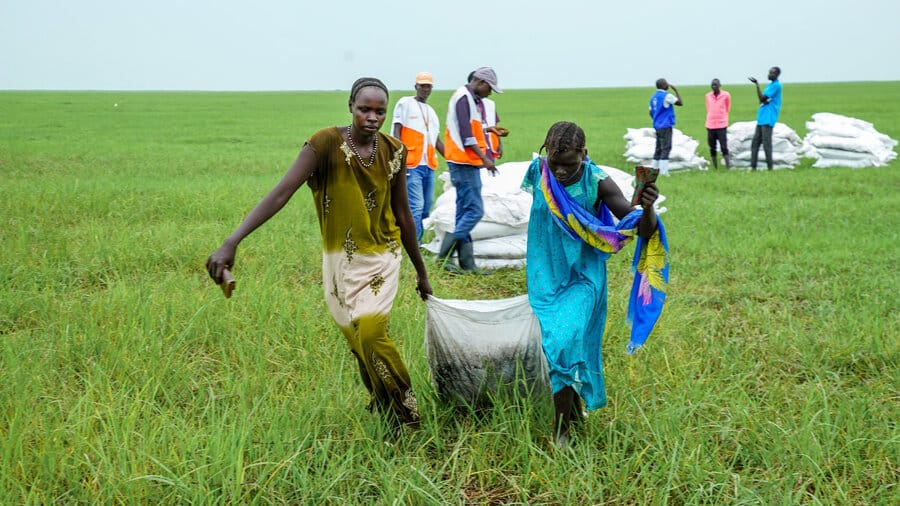
Watch for new humanitarian funding appeals, whether aid agencies can scale up food distributions or airdrops, and if the government or international partners declare a formal emergency. Also important will be monitoring displacement patterns as people move in search of food and safety.