
High Court Nullifies Kawempe North MP Election: A Pre-Election Warning Signal
In a move that has reverberated through Uganda’s political landscape, the High Court in Kampala has annulled the election of Elias Luyimbazi Nalukoola as MP for Kawempe North Division. The decision throws up fresh questions about election integrity, oversight, and legal accountability as the country heads toward the 2026 general elections.
Facts of the Case
By-election held March 13, 2025 declared Nalukoola (NUP) winner.
Petition filed by Faridah Nambi Kigongo (NRM) argued irregularities including failure to include results from 14 polling stations (which disenfranchised over 16,000 voters), campaigning on election day, and non-residents voting.
Justice Bernard Namanya ruled that the irregularities significantly affected the outcome and nullified the election, ordering a fresh poll.
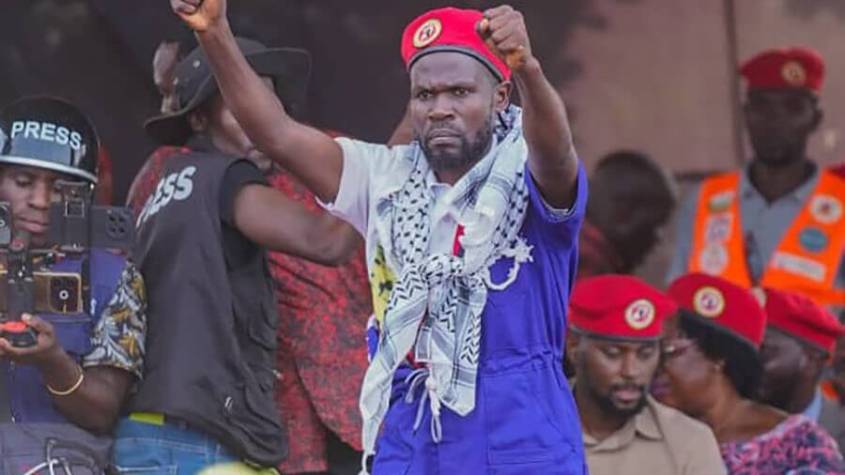
Nalukoola has filed a notice of appeal.
Political Stakes & Reactions
The nullification is considered a victory for election petitioners, especially opposition figures who view courts as an important check on electoral malpractice.
It underlines that courts are willing (at least in some instances) to act decisively against violations of the Parliamentary Elections Act.
Nalukoola’s removal disrupts NUP’s representation and sends a warning to all parties about compliance with electoral rules.
Broader Trends & Tensions
The case ties in with debates over trust in the electoral commission and whether electoral laws are enforced consistently.
It comes amid other controversies: political funding restrictions, military courts, civil rights concerns—collectively, these raise stakes for how free, fair, and credible elections will be in 2026.
The legal infrastructure (courts, petitions, recounts) appears to be one of the remaining arenas where opposition can seek redress.
Implications & What to Watch
How quickly the fresh election is organized, and whether it is free from irregularities.
Whether similar election petitions succeed elsewhere, especially in contested constituencies.
The case may set or reinforce precedents about how electoral law (campaigning rules, polling station result inclusion, voter registration) is interpreted and enforced.
How public trust and international observers respond: will these nullifications enhance perceptions of accountability, or will they be seen as selective and politically motivated?