Growing Extremist Threat in Sahel Raises Alarm at Global Security Forum
New York, USA
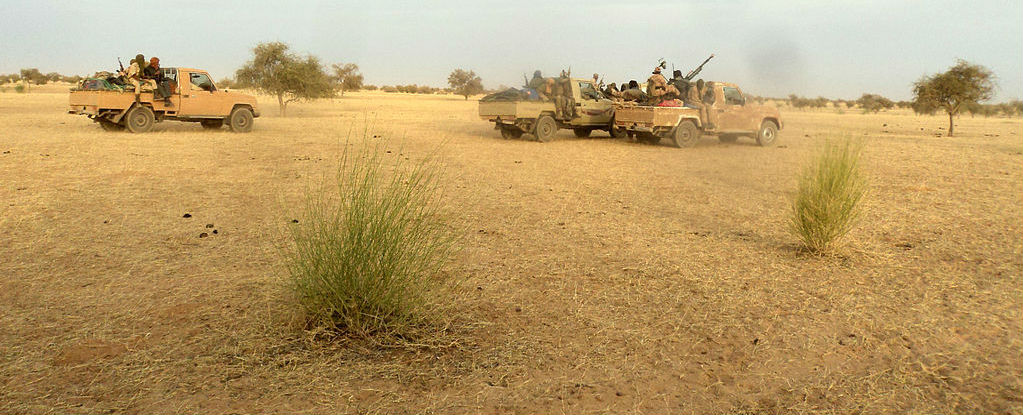
The head of the United Nations Security Council warned this week that terrorist activity across the Sahel region of West Africa is increasingly bleeding into broader global security concerns. According to recent UN analysis, attacks, mass displacement and the collapse of essential services across Sahel countries account for an estimated 19 percent of global terrorism-related incidents and over half of all terror-related casualties worldwide. The displacement of millions, disruption of local economies and humanitarian needs has surged, creating a complex crisis that threatens stability not only in the Sahel but across Africa and beyond. Experts argue that the growing links between extremist networks across borders make coordinated, international response imperative.
Why it matters
A destabilised Sahel has far-reaching consequences: refugee flows, disrupted trade, regional insecurity and increased risk of spillover into neighbouring regions — including East Africa. As extremist networks become more interconnected, instability in one country can quickly spread. International cooperation and sustained funding for peace and development programmes are becoming ever more critical.
What to watch
Observe upcoming statements from major global powers and regional blocs about funding humanitarian relief, counter-terrorism and development efforts in the Sahel. Watch for updated UN country-level reports on displacement, militant activity and regional refugee flows. Monitor whether neighbouring African states step up collaboration on border security, information sharing, and cross-border operations.