Global Health Crisis: Funding Cuts Threaten to Reverse Gains Against HIV and Malaria Across Africa
Nairobi/Kampala
The global fight against infectious diseases such as HIV/AIDS and malaria — long hailed as one of public health’s most significant success stories — is now facing a serious setback. Recent sharp reductions in international aid funding are undermining decades of progress, especially in sub-Saharan Africa, where health systems remain heavily dependent on external support.
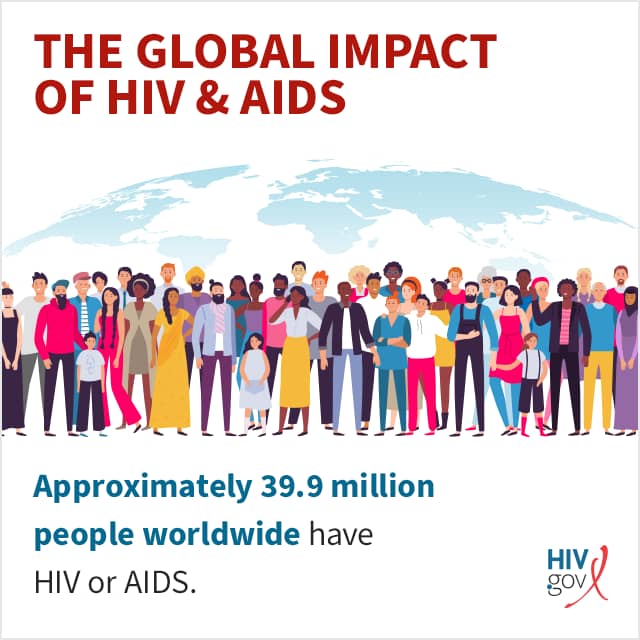
Health experts warn that the cutbacks could lead to a surge in new infections, treatment disruptions, and increased mortality — particularly among vulnerable populations. According to a recent report by UNAIDS, tens of thousands may lose access to prevention and treatment services, while community‑led organisations providing outreach to high‑risk groups face closure.
In 2024, the World Health Organization (WHO) recorded a concerning rise in malaria deaths — estimated at roughly 610,000 globally, the majority in sub-Saharan Africa. The combination of increasing drug resistance, reduced distribution of insecticide-treated nets, climate‑driven vector changes, and now shrinking funding, paints a grim picture.
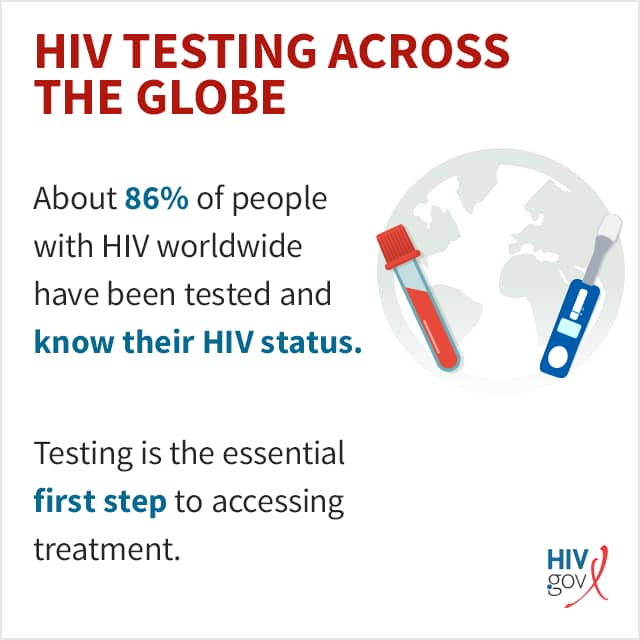
For many nations, including those already struggling with limited domestic health budgets, the collapse of external funding could translate into collapsing HIV and malaria programmes, fewer routine health visits, limited access to diagnostics, and interrupted care for millions. Civil society groups fear long-term damage to public health infrastructure, reversing years of gains in disease control.
While some governments have promised to increase domestic funding, experts argue that without immediate, sustained investment — including in prevention, community outreach, diagnostics, and ART distribution — the region risks a resurgent health crisis.
Why It Matters
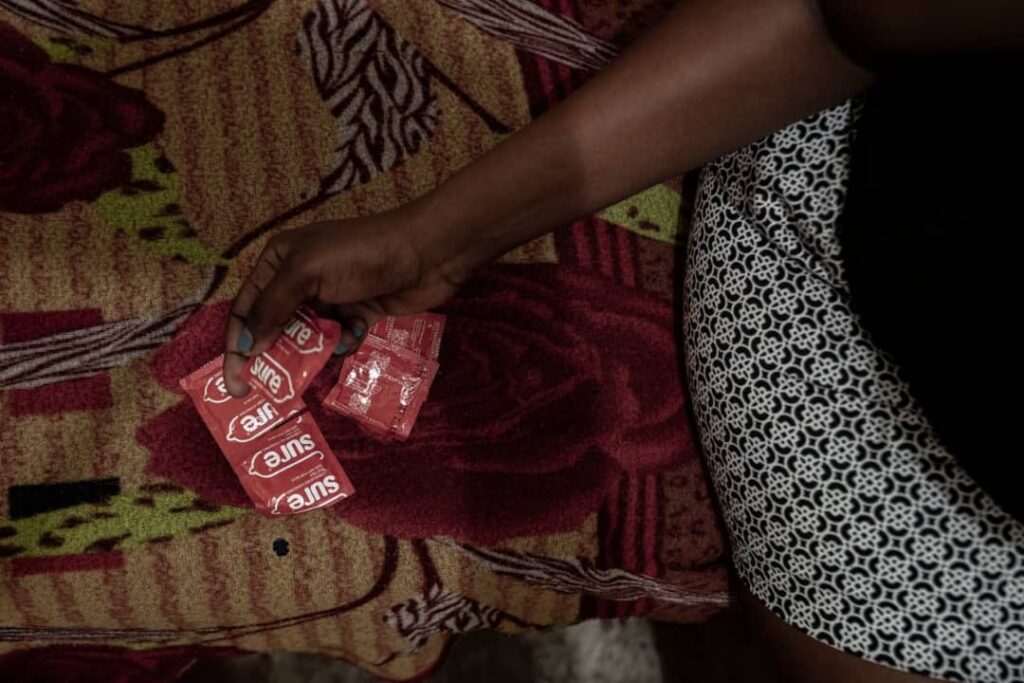
Millions of lives are at risk if HIV and malaria programmes collapse — particularly children, women, and marginalised communities.
Reversing the progress in HIV/AIDS and malaria control threatens not just public health, but social and economic stability across African countries.
The crisis could undermine broader global health security, reversing decades of international development and epidemic control efforts.
What to Watch
Whether African governments commit to and deliver increased domestic funding for HIV and malaria responses.
Performance and resilience of community‑based organisations and NGOs in filling the funding gap.
Emergence and deployment of new health innovations — e.g., longer‑acting HIV prevention/treatments, improved malaria diagnostics — to mitigate crisis impact.