From Kiteezi to Buyala: Kampala’s race to fix its garbage problem before it buries the city
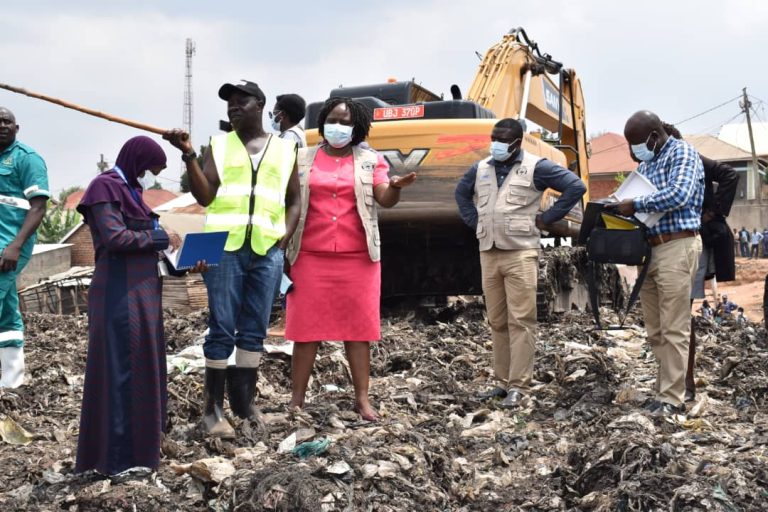
Kampala, Uganda Mountains of uncollected garbage, clogged drains, and recurring floods paint a bleak picture of Kampala’s waste management crisis. While Kampala Capital City Authority (KCCA) insists progress is being made — citing the stabilization of Kiteezi landfill and plans for a new integrated waste facility at Buyala — residents across the city remain frustrated by persistent filth and flooding.
Kiteezi: A Landfill on Life Support
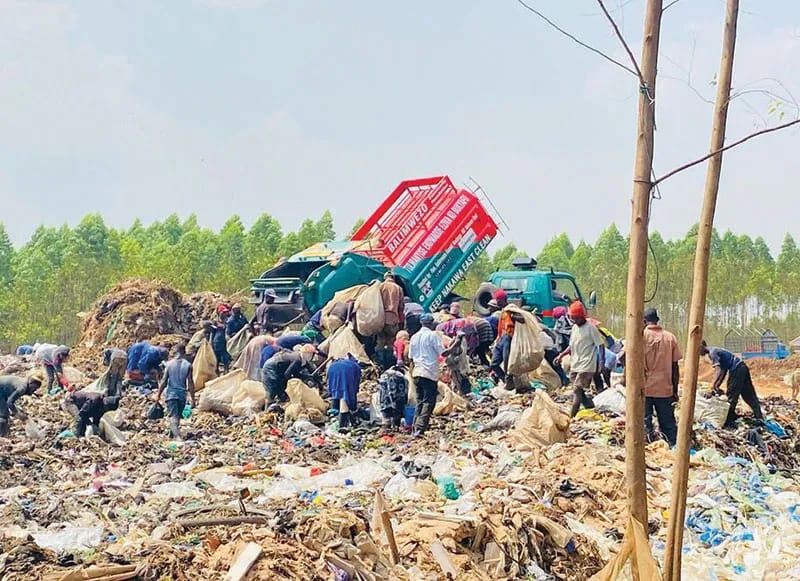
Kiteezi, Kampala’s main landfill since 1996, has long been overstretched — designed for 20 years but still in use nearly 30 years later.
Overflowing waste has led to toxic leachate contaminating groundwater, foul smells, and health risks for nearby communities.
KCCA says stabilization measures have been applied, but residents of Kiteezi and Mpererwe insist the landfill remains a hazard.
Buyala: Kampala’s Next Big Bet
Government has secured land in Buyala (Wakiso District) to host a modern integrated waste management facility.
Plans include waste sorting, recycling, energy recovery, and controlled landfilling.
The project is touted as a “long-term solution” but critics worry about delays, financing, and whether it can handle Kampala’s daily load of over 2,500 tonnes of garbage.
Floods & Drainage Nightmare
Poor waste collection leads to trash blocking drains, causing flash floods in low-lying neighborhoods like Bwaise, Katwe, Lubigi, and Kalerwe.
Each rainy season brings stories of families losing property or businesses closing due to flooded roads and markets.
Environmentalists say better waste management could cut flooding by at least 30%.
The Human Face of the Crisis
“We pay private collectors, but sometimes garbage piles for two weeks,” says Sarah Namuli, a trader in Nateete.
In Kalerwe, a mechanic blames flooded roads for loss of clients: “Every time it rains, we are stuck in mud and sewage.”
Children in slum areas are exposed to diseases like cholera and typhoid from uncollected trash.
Government Promises vs. Citizen Frustration
KCCA Executive Director Shariffa Buzeki says Kampala is on track to improve services, pointing to ongoing drainage works, new waste trucks, and planned recycling partnerships.
But critics argue that until collection systems are reliable and community sensitization is prioritized, infrastructure alone won’t solve the problem.
Calls are growing for a public-private partnership model that incentivizes recycling businesses while expanding collection networks to underserved areas.
What Lies Ahead
Relocation to Buyala is expected to begin in late 2026, but interim measures at Kiteezi remain critical.
Civil society is pushing for a zero-waste strategy: reduce, reuse, recycle, rather than just expanding landfills.
With Kampala’s population set to hit 7 million by 2035, the question remains: can the city get ahead of its own trash?