Equity Bank and Ministry of Agriculture Launch National Oil Palm Project to Empower Smallholder Farmers
Shs1.2 billion credit facility rolled out in Busoga sub-region, targeting 896 oil palm farmers to transform rural livelihoods
Mayuge, Uganda
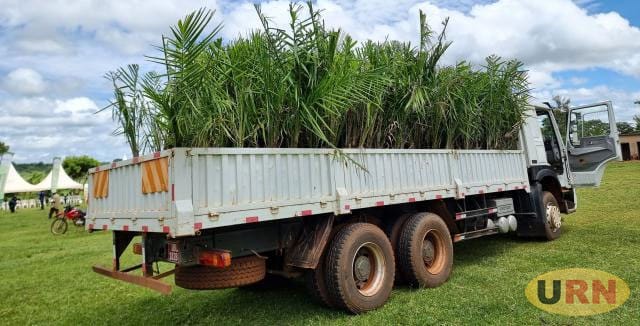
In a landmark move to boost agricultural transformation and economic inclusion, the Government of Uganda, in collaboration with Equity Bank, has officially launched the National Oil Palm Project (NOPP) in the Busoga sub-region. The project is designed to provide structured financing, technical support, and capacity building to smallholder farmers in districts including Mayuge, Bugiri, Buvuma, and Namayingo.
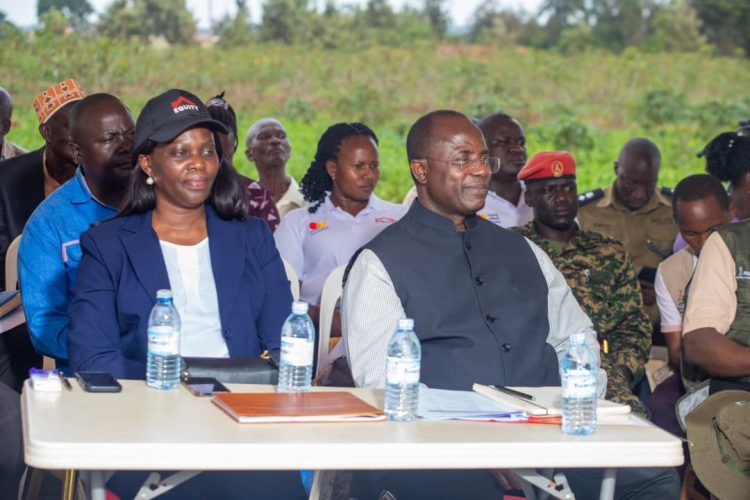
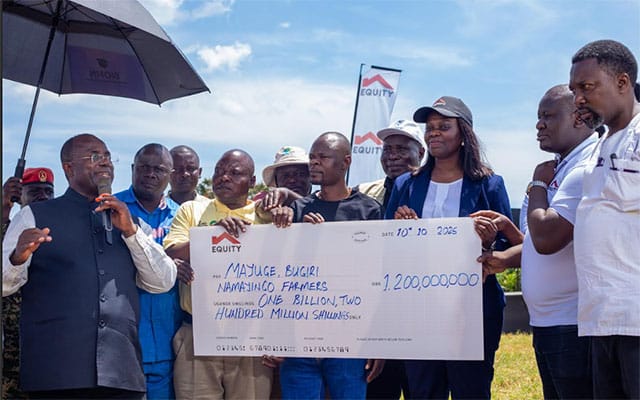
At a ceremony held at the Mayuge District Headquarters, officiated by the State Minister for Agriculture, Animal Industry and Fisheries, Hon. Fred Bwino Kyakulaga, Equity Bank’s Director for Public Sector and Social Investments, Catherine Psomgen, handed over a dummy cheque to farmer representatives and highlighted the bank’s role in managing the project’s finances.
Key Objectives & Mechanism
The National Oil Palm Project is financed through a loan from the International Fund for Agricultural Development (IFAD), with the government selecting Equity Bank as the designated fund manager. Under this arrangement, Equity Bank is responsible for disbursing funds, managing accountability, and delivering financial and technical training to farmers.
In its first two years, the bank has already disbursed UGX 1.2 billion to 896 farmers in the pilot districts.
Participating farmers must have at least 5 hectares of land to qualify for financing of UGX 25 million. Farmers with smaller plots (e.g. 2.5 hectares) may be eligible for proportionate amounts.
To ensure accountability and proper use of funds, the Ministry will disburse payments directly to vetted suppliers (for pesticides, fertilizers, seedlings, training services) while the remainder is transferred to farmers’ accounts under supervision.
The first phase covers Buvuma, Mayuge, Bugiri, and Namayingo, with plans to expand in the next year to Kamuli, Iganga, Jinja City, Bugweri, Namutumba, Luuka, and Kaliro.
Expected Impact & Projections
Hon. Kyakulaga, in his address, emphasized that the project is transformational for the Busoga region, which has for years faced chronic poverty and underused agricultural potential. He projected that at harvest, farmers could earn UGX 2.5 million per month over a span of 25 to 30 years (reflecting the productive lifespan of oil palm trees).
Equity Bank’s Psomgen noted that beyond fund disbursement, the bank is integrating modern banking systems (digital tracking, beneficiary verification, real-time monitoring) to minimize leakages and increase efficiency. She added that the project falls under the Bank’s Africa Resilience and Recovery Plan, where 30 % of its loan portfolio is earmarked for agriculture and food security initiatives.
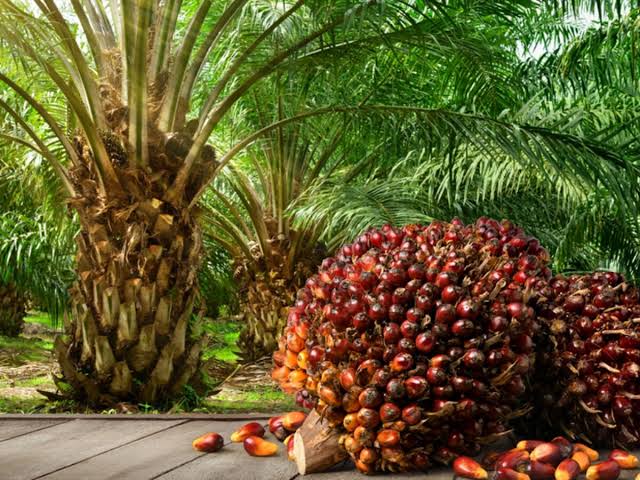
The project is also underpinned by a broader vision: reduce Uganda’s reliance on imported palm oil and foster value addition locally (e.g. in soap, cosmetics, edible oil industries) by creating a domestic supply chain.
Challenges & Considerations
While the project is bold in design, several risks must be considered:
Delayed maturation: Oil palm seedlings take approximately 18 months before they are ready for planting, meaning returns are long-term.
Land fragmentation & eligibility: Many smallholders may not have the minimum acreage required to qualify for full financing, limiting participation or requiring group formation.
Environmental concerns: Expansion of oil palm plantations must be carefully managed to avoid deforestation, land degradation, or displacement of food crops.
Market development & processing: Success depends not just on cultivation but on establishing processing, refining, and assured purchase agreements.
Monitoring & accountability: Stringent oversight is essential to ensure funds reach intended beneficiaries and are used for their specified purposes.
What the Stakeholders Are Saying
“This move is going to go a long way in transforming the people of Busoga from the chronic poverty which has affected them for so long.” — Hon. Fred Bwino Kyakulaga, State Minister for Agriculture
“Equity is employing modern banking systems to track every transaction, verify beneficiaries and ensure funds reach genuine oil palm farmers in record time.” — Catherine Psomgen, Equity Bank Director for Public Sector & Social Investment
Looking Ahead
As the project scales into additional districts next year, its success will depend on multi-stakeholder coordination — from the Ministry of Agriculture, development partners, local governments, to farmer groups and technical service providers. If well implemented, the National Oil Palm Project has the potential to be a flagship model in agricultural financing, rural transformation, and value chain development in Uganda.
This partnership marks a new chapter in how public agricultural policy and private banking can combine to serve smallholder farmers and drive sustainable growth.