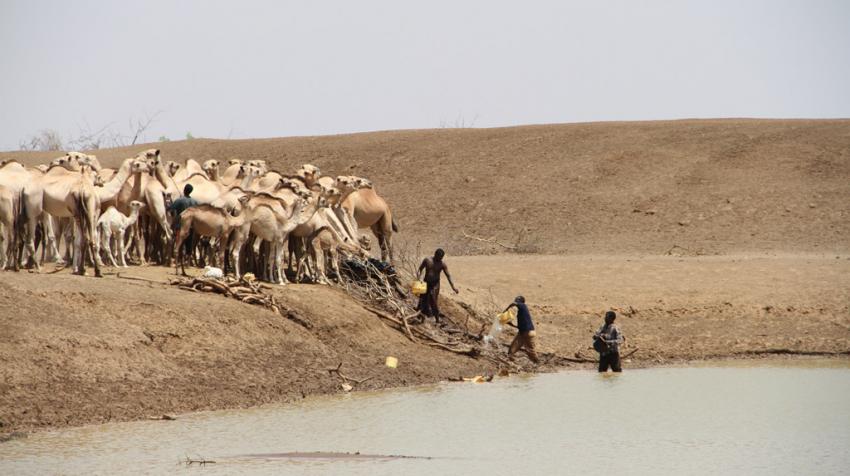
East Africa Faces New Food Insecurity Wave After Failed Rains
Prolonged drought threatens crops, livestock and household food supplies across the region
Kampala/Dar-Salaam
Large parts of East Africa are facing a growing food insecurity crisis after consecutive seasons of failed rains have left farms dry, pastures bare and water sources shrinking. Smallholder farmers who depend on seasonal rainfall have suffered major crop losses, while pastoral communities are losing livestock due to lack of water and grazing land. The impact is spreading from rural areas into towns and cities as food supplies tighten and prices rise in major markets.
Households are increasingly adopting survival strategies such as skipping meals, selling livestock early and migrating to urban centers in search of work. Schools and health centers in drought-hit areas are reporting higher cases of malnutrition, especially among children and pregnant women. The pressure is expected to continue if the next rain season does not perform strongly.
Why It Matters
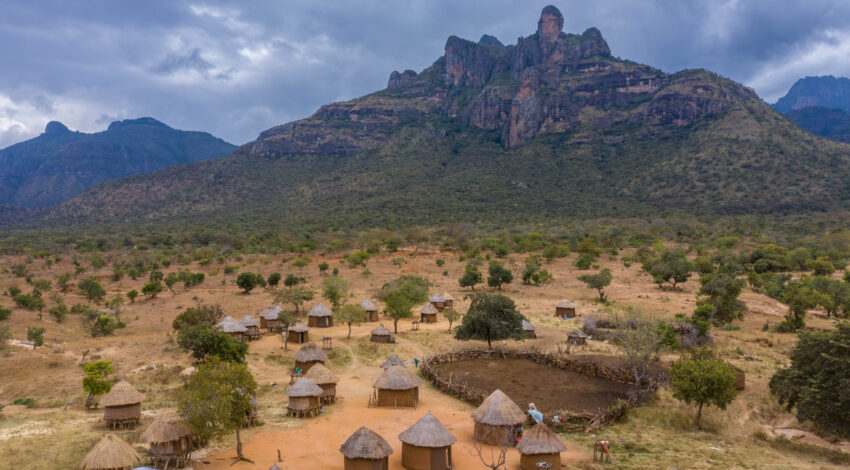
Food insecurity threatens lives, weakens local economies and increases the risk of social tension. When families cannot afford basic food, children drop out of school, health deteriorates and communities become more vulnerable to conflict and displacement.
What to Watch
Rainfall forecasts, staple food prices and emergency government or donor interventions will determine how severe the situation becomes in the coming months.