Digital Health Dialogues, Vaccine Policy Debates & Citizen Voices
Kampala Uganda
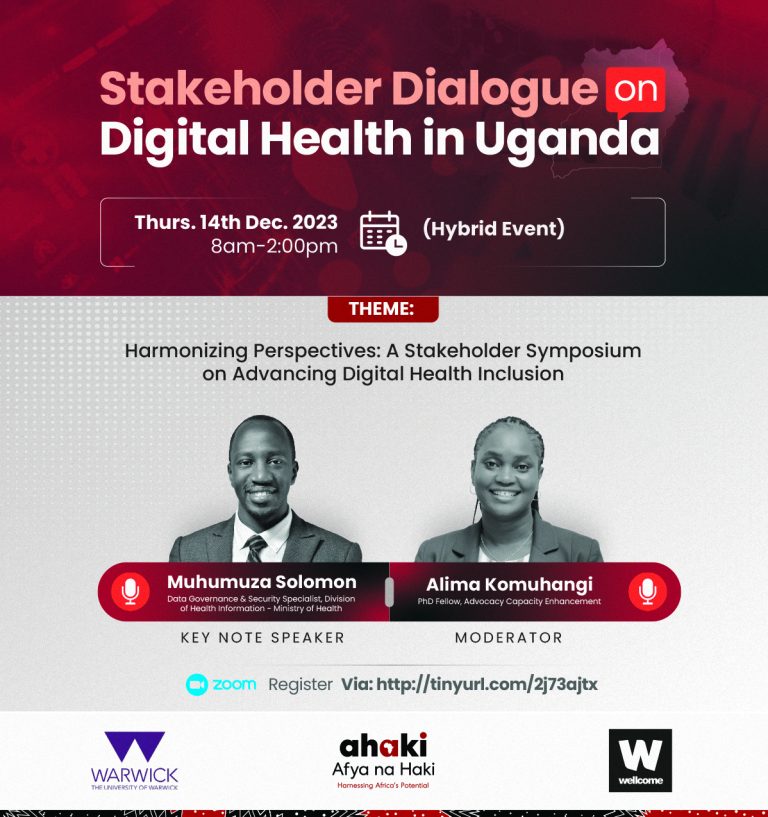
This weekend Uganda’s health scene is alive. Digital health stakeholders convene, policy debates around medical import taxes intensify, and communities in the districts are voicing concerns over access and trust. We zoom into what’s happening—and why it matters.
National Digital Health Moves & Conferences
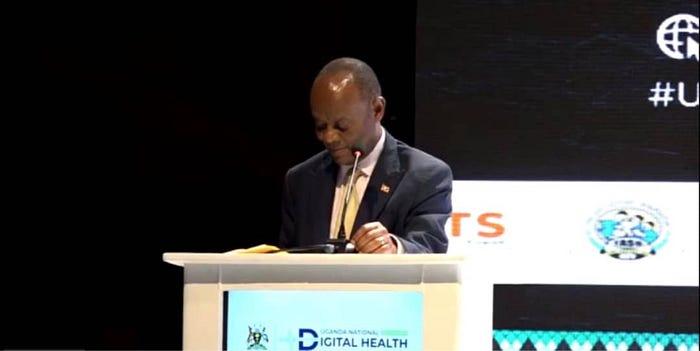
The Uganda National Digital Health Conference 2025 is gearing up, focusing on how technology can strengthen diagnostics, telemedicine, e-health records, and health analytics. This weekend serves as a preparatory period: speakers, sponsors, and attendees are mobilizing, while side sessions and stakeholder meetings are being held in Kampala and regional centers.
Health tech firms are demoing tele-consultation tools, remote patient monitoring gadgets, AI diagnostic models, and mobile health apps in pop-up exhibits. NGOs and donor agencies are also holding roundtables on interoperability, data privacy, and public trust.
Vaccine Taxation Backlash & Advocacy Actions
One of the most critical health policy flashpoints right now is the recent tax treatment of medical and pharmaceutical imports. Many health advocates argue these changes will drive up costs, delay supplies, and exacerbate shortages.
Over the weekend, civil society groups, associations of healthcare providers, and local MPs are planning public fora, townhall meetings, and media appearances to pressure the government to reconsider. In some districts, representatives may hold “health fairs” with free vaccinations or mobile clinics to make the case.
Citizen Voices: Clinics, Access & Trust
In rural districts around Mbale and Busoga, community reporters are gathering testimonies: patients struggling to find basic medicines; clinics that are understaffed or closed part of the week.
Mothers in remote areas plan to hold group meetings (village health teams) to share grievances about immunization lapses, transport challenges, and facility conditions.
Local radio talk shows in several districts will run “health hour” segments, inviting listeners to phone in about service delivery failures and their expectations of the candidates in the upcoming election.
Wildcard: Health Surveillance & Outbreak Memory
Though Uganda declared the end of its most recent Ebola outbreak in April 2025 after 42 days with no new cases, the threat of future outbreaks still shapes the health narrative.
This weekend, epidemiologists and health NGOs might hold informal meetings behind closed doors to assess surveillance system readiness, supply of PPE, lab capacity, and community awareness—especially in border or high-mobility districts.
What to Watch This Weekend
Declarations or statements from health ministers, parliamentary health committees, or policy actors about medical import taxation.
Digital health demos that get public attention (e.g. new telemedicine apps, AI screening tools).
Citizen stories: particularly from underserved districts—testimony that may influence media coverage or campaign narratives.
Whether health becomes a flashpoint in campaign rallies or is woven more deeply into manifesto pledges.