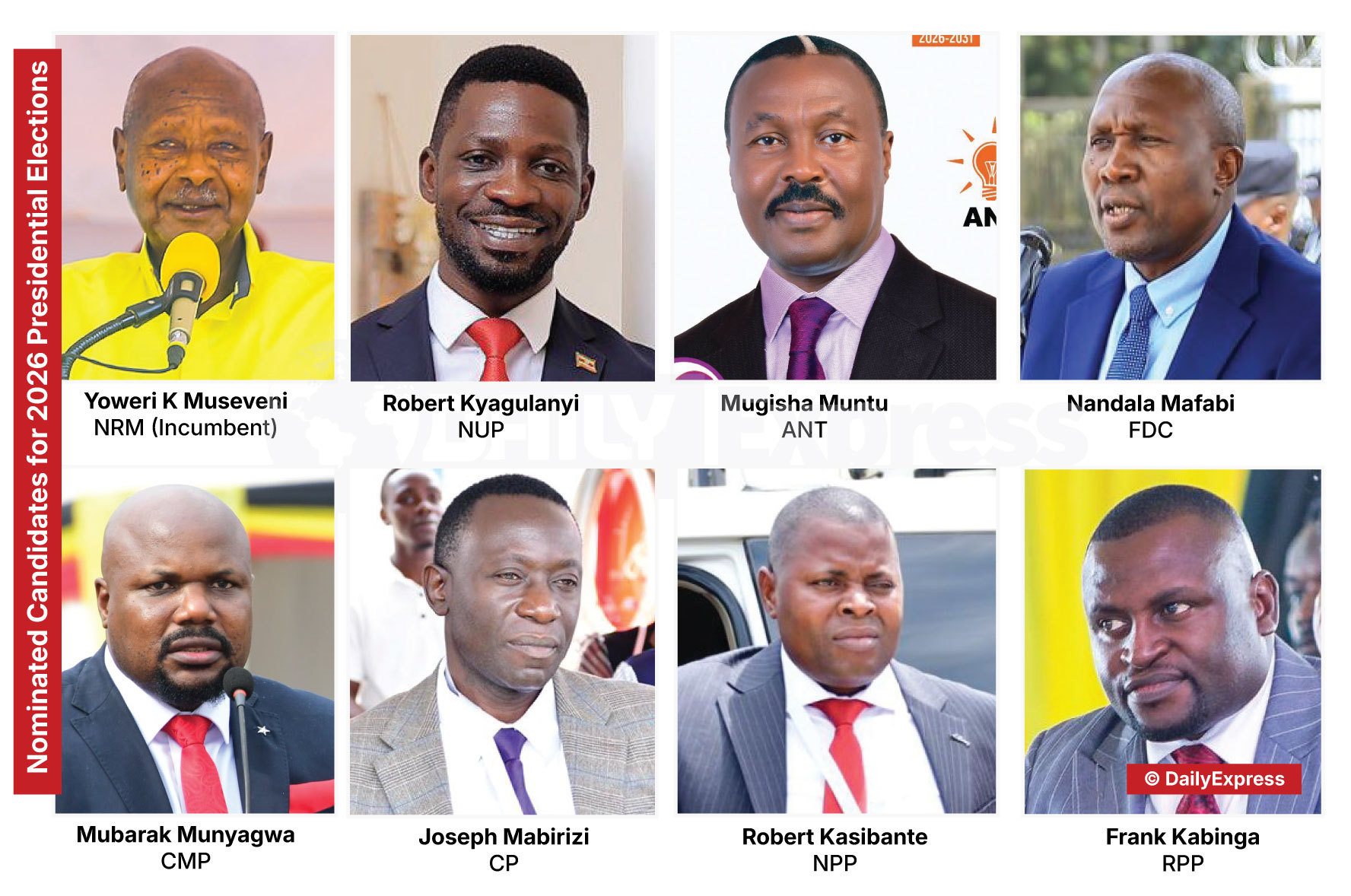
Candidate Profiles for 2026: Museveni, Kyagulanyi, Mafabi
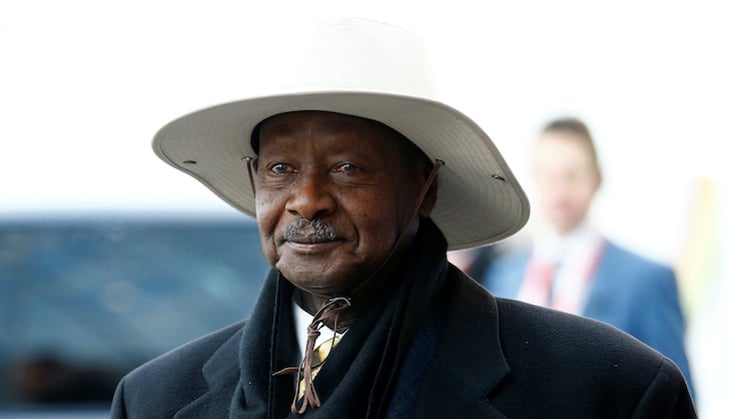
1: Yoweri Kaguta Museveni
Party / Affiliation: National Resistance Movement (NRM)
Status: Officially nominated / cleared by EC for the 2026 presidential race
Background & Political Trajectory
Museveni first came to power in 1986 following a guerrilla struggle and has remained Uganda’s president ever since.
In 2025, the NRM formally endorsed him as its presidential flagbearer and as party chairperson, in an uncontested internal process.
During his nomination at the EC in Lubowa, he pledged that 2026 would mark his final bid for the presidency.
Key Messaging, Platform Themes & Campaign Focus
His official campaign theme is “Protecting the Gains, Making a Qualitative Leap into High Middle‑Income Status.”
He emphasizes continuation and consolidation: infrastructure, improving health services, better roads, free education in government schools.
At his nomination event, he contrasted the transformation of Lubowa (from “coffee shamba” to developed area) to illustrate Uganda’s progress under his watch.
Strengths / Advantages
Incumbency gives him major advantages: control over state apparatus, strong party machinery (NRM), national visibility.
Long record of public service (in the view of many supporters), and legacy claims (peace, stability in many parts of the country).
Institutional leverage: ability to mobilize resources, influence in security, administrative reach.
Challenges / Vulnerabilities
Democratic legitimacy / criticism: His long hold on power is often critiqued for weakening institutions, undermining opposition, and altering constitutional limits (removal of age and term caps).
Public disaffection in urban & youth segments: Many in cities and among younger voters may be dissatisfied with economic hardship, unemployment, inequality.
“Final term” claim scrutiny: Declaring 2026 as his “last term” could invite extra skepticism or expectations.
Opposition pressure: Especially from Kyagulanyi, who positions himself as the change candidate, and from other opposition actors who might coalesce.
Legal or procedural objections: While his nomination was cleared, technical or legal challenges (document verification, petitions) are always possible in the lead-up.
What to Watch & Update Frequently
Any legal challenges or objections to his nomination or petitions from other aspirants.
How robust his campaign rollout is: number and size of rallies, presence in districts, grassroots mobilization.
Messaging: how he responds to criticisms, how he frames the “final term” narrative.
Endorsements, defections within NRM or allied groups.
How much space (media, public platforms) the opposition is granted; whether restrictions or censorship arise.
Polling (if credible) and shifts in public opinion.
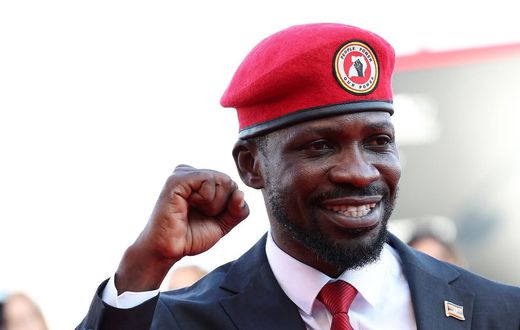
2: Robert Kyagulanyi Ssentamu (Bobi Wine)
Party / Affiliation: National Unity Platform (NUP)
Status: Officially nominated / cleared by the EC for 2026 Presidential race .
Background & Political Trajectory
Robert Kyagulanyi, widely known by his stage name Bobi Wine, rose to fame as a musician and gradually entered politics, becoming a strong opposition figure.
He was a prominent challenger in the 2021 elections, finishing second according to official tallies, but he and many supporters alleged fraud, intimidation, and electoral irregularities.
For 2026, he has publicly committed to contesting again “if I am still alive and not in jail.”
Key Messaging, Platform Themes & Campaign Focus
His campaign is built around change, accountability, human rights, youth empowerment, and governance reform.
He often frames his fight as between the old guard and the new generation, positioning NUP as a movement of the people, especially the urban, marginalized, youth sectors.
He regularly accuses the regime of repression, violence, and misuse of state instruments to stifle dissent.
Strengths / Advantages
Strong appeal among youth and urban voters: energetic, charismatic, modern messaging.
High name recognition, especially among those dissatisfied with status quo.
Ability to galvanize emotions, social media traction, and create narrative momentum.
His prior run gives him past electoral experience and a base to build on.
Challenges / Vulnerabilities
Harassment, restrictions, arrests, intimidation from security forces or state institutions (historical pattern).
Limited access to resources compared to the incumbent; risk of being squeezed out media or funding-wise.
Risk of being marginalized, obstructed from campaigning in some regions.
Security concerns could affect his mobility, rallies, logistics.
Legal or technical objections during nomination or verification stages.
What to Watch & Update Frequently
Confirmation of his nomination and clearance by the EC (date, any objections).
Incidents of repression, arrests, or suppression of his events.
His campaign roadshows, manifesto launch, policy specifics.
How his messaging evolves—does he moderate or radicalize in response to pressure?
Alliances with other opposition parties or figures.
Reaction of state apparatus (security, media) to his campaign.
Polling trends, particularly in Kampala, youth demographics, swing regions.
3: Nathan Nandala Mafabi
Party / Affiliation: Forum for Democratic Change (FDC)
Status: Officially nominated / cleared by the EC for 2026 Presidential race.
Background & Political Trajectory
Nandala Mafabi is a veteran opposition figure, Member of Parliament for Budadiri West, and has held leadership roles within FDC.
Earlier, the FDC’s incumbent president Patrick Amuriat withdrew from the presidential contest and endorsed Mafabi to carry the party’s flag.
He was among the early aspirants cleared by the EC to meet nomination requirements.
Key Messaging, Platform Themes & Campaign Focus
In his candidacy statement, Mafabi vows to “revive cooperatives, ensure coffee farmers get value,” and to plug corruption leaks (he claims Uganda loses ~ UGX 10 trillion annually to corruption).
Emphasis on repair and reform: focusing on economy, accountability, better governance.
Strengths / Advantages
Deep experience and credibility within opposition politics; institutional memory and party structures.
Established network in parts of Uganda and among constituencies familiar with FDC’s brand.
Potential to attract moderate opposition voters who prefer a seasoned politician over a radical new face.
Early clearance gives him time to organize and campaign.
Challenges / Vulnerabilities
He competes for attention against a charismatic opposition rival (Kyagulanyi) and a resource‑strong incumbent.
May struggle to mobilize younger voters or those seeking more radical change.
As with all opposition candidates, risk of harassment, obstruction, or limitations imposed by state actors.
Resource constraints, logistical reach across many districts.
What to Watch & Update Frequently
His campaign rollout: when and where he launches rallies, how expansive his campaign machinery is.
Whether his accusations and promises (e.g. on corruption, farmer value chains) generate traction or backlash.
Endorsements, or co-operation with other opposition actors (Kyagulanyi, smaller parties).
How he positions himself relative to Kyagulanyi—collaboration or rivalry.
Media access and constraints faced.
Polling / public sentiment in rural areas, farming communities, traditional FDC zones.
Combined Snapshot & Dynamics to Monitor
Matchups: The likely central contest is between Museveni and Kyagulanyi, with Mafabi positioning as a credible alternative within opposition ranks.
Nomination Objections: There may be legal or procedural objections especially to opposition candidates.
Coalitions & Alliances: Will opposition parties unify or present joint platforms?
Campaign Resources & Logistics: How well do opposition candidates scale their campaigns nationally?
State Response: The treatment (fair/unfair) of opposition campaigns will be a major narrative.
Public Mood / Youth & Urban Voters: These will be swing segments to watch.
Media & Freedom: Reporting limitations, censorship, and campaign coverage will shape perception.