Aging with Dignity: Uganda’s Silent Generation Steps into the Spotlight
Kampala/ Uganda. The Faces of Wisdom, the Voices of Resilience
In a quiet corner of Kampala’s Kisenyi suburb, 78-year-old Mama Nambi tends a small vegetable garden behind her home. Each morning, she greets passing schoolchildren with a smile, offering them mangoes from her tree.
For decades, she worked as a nurse — caring for others. Now, she lives alone, relying on her neighbors’ kindness and a modest pension that barely covers her needs.
Mama Nambi’s story reflects a wider, often overlooked truth: Uganda’s aging population is growing — and with it, the urgent need for policies and compassion that support the elderly.
“We talk about youth empowerment every day,” says Dr. Wilberforce Kiggundu, a gerontologist at Makerere University. “But who is empowering those who built the Uganda we stand on today?”
Uganda’s Gray Wave: An Emerging Reality
Although Uganda remains one of the world’s youngest nations — with over 70% of its population under 30 — the elderly population is rising steadily due to improved healthcare and longer life expectancy.
Today, more than 2.4 million Ugandans are aged 60 and above, and that number is expected to double by 2050, according to the Uganda Bureau of Statistics.
But while youth development programs dominate national discourse, older Ugandans often live in silence — battling poverty, isolation, and limited access to healthcare.
“In rural areas, many older people survive without any formal support,” notes Sarah Nankya, a social worker with the HelpAge Uganda Foundation. “Some care for grandchildren orphaned by HIV/AIDS or poverty — they are caregivers, not dependents.”
Life Beyond Retirement: Resilience and Reinvention
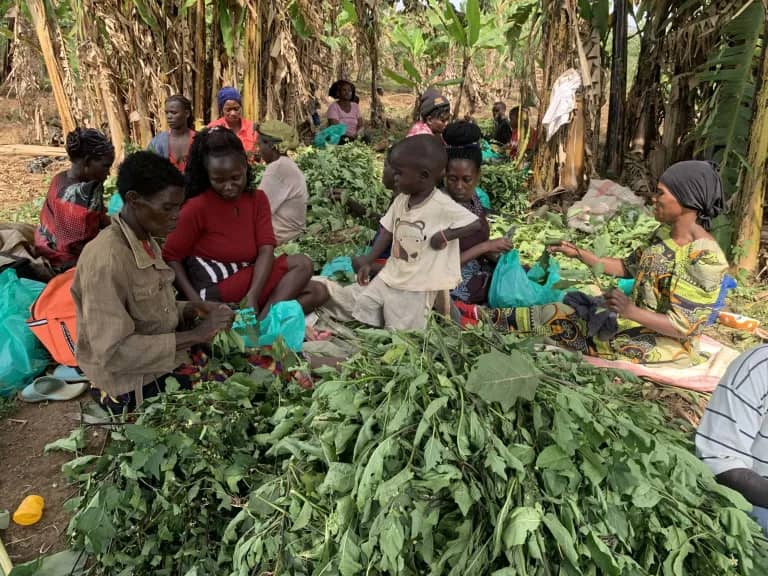
In the dusty plains of Luwero, 67-year-old Joseph Kyambadde, a retired teacher, has turned his small plot of land into a community farm. Together with five other retirees, he trains youth in organic agriculture.
“Retirement isn’t the end of usefulness,” he says proudly. “It’s a second life — if society lets us live it.”
Across Uganda, informal networks of elders like Joseph are forming “age circles” — community groups that combine savings, peer counseling, and mentorship. These networks bridge generations and help fight loneliness, one gathering at a time.
Policy and Promise: Steps Toward Inclusion
The Ugandan government, in partnership with organizations like HelpAge International and UNFPA, has begun implementing the National Policy for Older Persons (2019) — a framework aimed at improving social protection, healthcare access, and rights awareness.
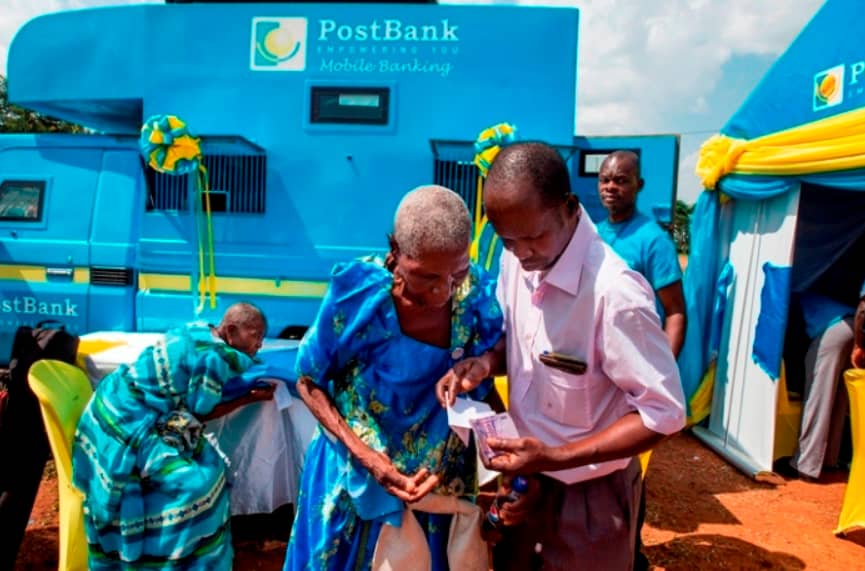
Programs like the Senior Citizens Grant, under the Social Assistance Grants for Empowerment (SAGE) scheme, currently support over 375,000 elderly Ugandans with small monthly stipends. While modest, these grants are often life-changing — allowing recipients to buy food, medicine, or even start micro-businesses.
“The grant means I can buy soap and sugar without begging,” says Mama Nambi, softly. “It restores my dignity.”
Healthcare: The Forgotten Frontier
Despite progress, healthcare for the elderly remains one of Uganda’s weakest links.
Few health centers have geriatric wards, and most elderly patients struggle to afford essential medicines for chronic conditions such as hypertension, diabetes, and arthritis.
Dr. Joyce Nabiryo, a medical officer at Mulago Hospital, highlights another gap:
“We have focused so much on maternal and child health — rightly so — but it’s time to balance that with elderly care. Aging should not be a medical emergency.”
Some local startups are stepping in to innovate. SilverCare Uganda, a Kampala-based social enterprise, is piloting home-based care apps and mobile clinics to reach isolated elders. Their model combines digital innovation with community nursing, creating a sustainable model for aging with dignity.
Culture, Respect, and Modern Change
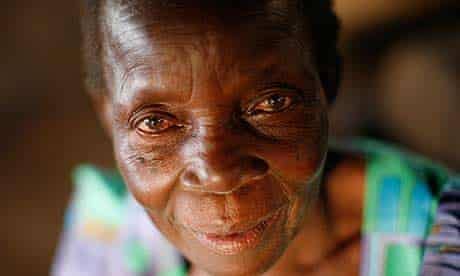
Traditionally, Ugandan culture revered elders as custodians of wisdom. But with modernization, migration, and economic hardship, those values are fading.
In cities, younger generations often migrate for work, leaving aging parents alone in rural homes.
However, cultural revival movements — including intergenerational storytelling events and heritage festivals — are helping to rebuild the bridge between youth and elders.
At a recent event in Jinja, young artists and elders shared poems, dances, and oral histories under the theme “Remembering Roots, Building Futures.”
“We must not just celebrate the elderly on TV days,” says Professor Sylvia Tamale, feminist scholar and social advocate. “We must design cities, communities, and economies that work for all ages.”
The Urban Gazette View: Aging as a Measure of Progress
How a society treats its elderly reveals its soul. Uganda’s aged community is not a burden — it’s a living archive of resilience, culture, and memory.
As the country looks toward Vision 2040, inclusion must extend beyond youth empowerment — to those who carried the nation through its most difficult decades.
To age with dignity in Uganda should not be a privilege — it should be a right.
👵 Key Facts About Elderly in Uganda
👩🏿🦳 2.4 million Ugandans aged 60+
💰 375,000+ benefiting from the Senior Citizens Grant
🏥 Only 12 hospitals with geriatric-trained personnel
👨🏾🌾 65% of older Ugandans live in rural areas
📱 4 new startups focused on digital elder care since 2022