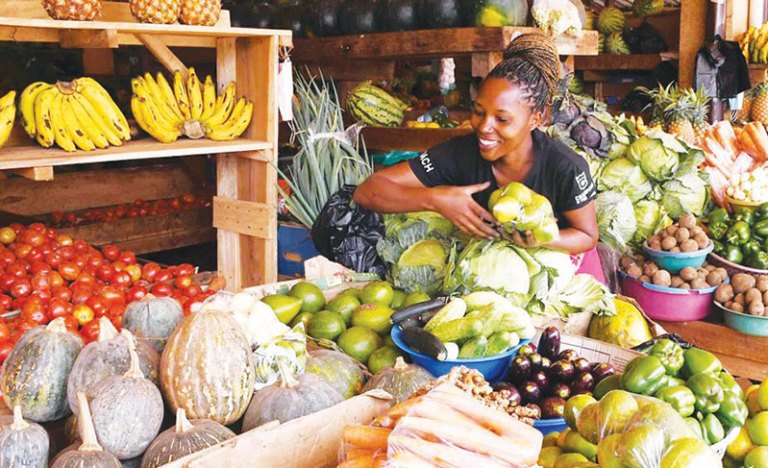
Food Prices Remain High Despite Improved Harvests
By Urban Gazette Business Desk
Kampala, Uganda
Despite reports of improved harvests in several agricultural regions, food prices across Uganda’s cities remain stubbornly high, continuing to strain household budgets.
Staple foods such as maize flour, beans, rice, and cooking oil show little sign of relief. Traders blame high fuel costs, poor transport infrastructure, limited storage facilities, and the dominance of middlemen in the supply chain.
Farmers say they see little benefit from high retail prices.
“We sell cheaply at the farm gate,” said a farmer in Masindi. “The profit is made after the food leaves us.”
Economists argue that Uganda’s food system suffers from structural inefficiencies that prevent production gains from translating into lower consumer prices. For urban families, food now consumes the largest share of monthly income, forcing difficult trade-offs.
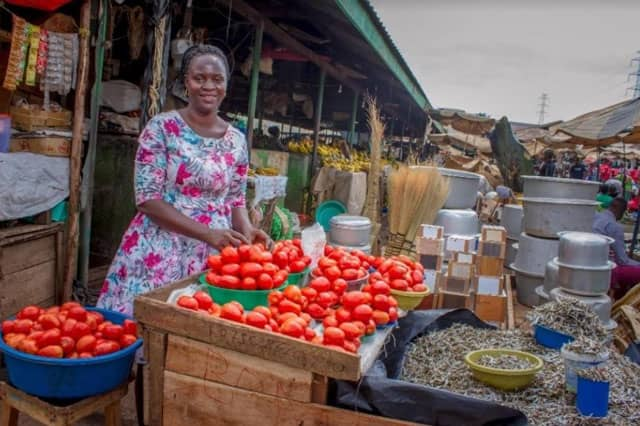
Why It Matters
Cost of living pressure: Food prices drive inflation.
Urban poverty: Rising costs increase vulnerability.
Agricultural reform: Inefficiencies harm both farmers and consumers.
What to Watch
Fuel price movements
Government market interventions
Inflation trends into 2026