Electricity Tariff Review Triggers National Debate as Households Brace for 2026
Kampala , Uganda
Uganda is facing renewed debate over the cost of electricity following confirmation that regulators are reviewing power tariffs ahead of the new year, a move that could see households and businesses paying more for electricity in 2026.
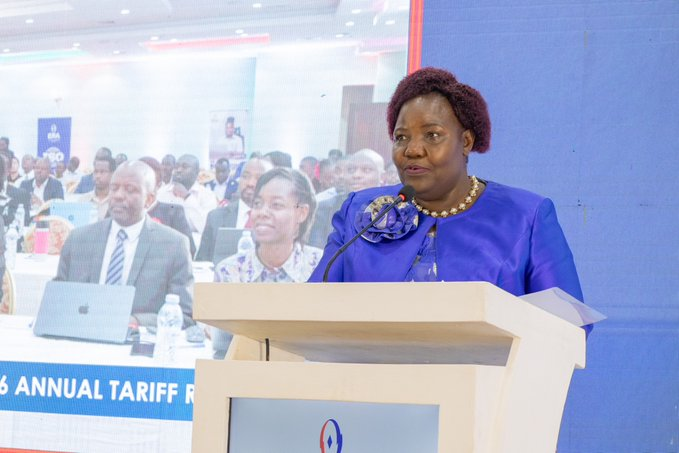
The Electricity Regulatory Authority (ERA) says the review is driven by rising operational costs, foreign exchange pressures, and continued investment in transmission and distribution infrastructure. Officials argue that maintaining grid stability and expanding access requires periodic tariff adjustments.
However, consumer rights groups and small business owners warn that any increase will further strain household incomes already stretched by high food prices, transport costs, and school fees. Manufacturers say electricity remains one of their biggest operating expenses, affecting competitiveness and job creation.
Economists caution that while infrastructure investment is necessary, poor timing or inadequate consumer protection could deepen economic hardship.
Why It Matters
Electricity pricing affects nearly every sector of the economy — from household welfare and small businesses to industrial growth and inflation. Even modest increases can have widespread economic consequences.

What to Watch
ERA’s final tariff decision and implementation date
Government subsidies or relief measures for low-income users
Impact on manufacturing and service-sector costs