Uganda Prisons Service Dismiss Lawrence Ampe Over Political Social Media Posts
Officer sacked amid debate over free speech, neutrality of uniformed services
Ngora, Uganda
Lawrence Ampe, a warder with the Uganda Prisons Service (UPS) attached to Ngora Prison, has been dismissed from the force after a series of politically charged social media posts that criticised senior government officials, highlighted alleged corruption and human rights abuses within the prisons system, and expressed support for opposition figures.
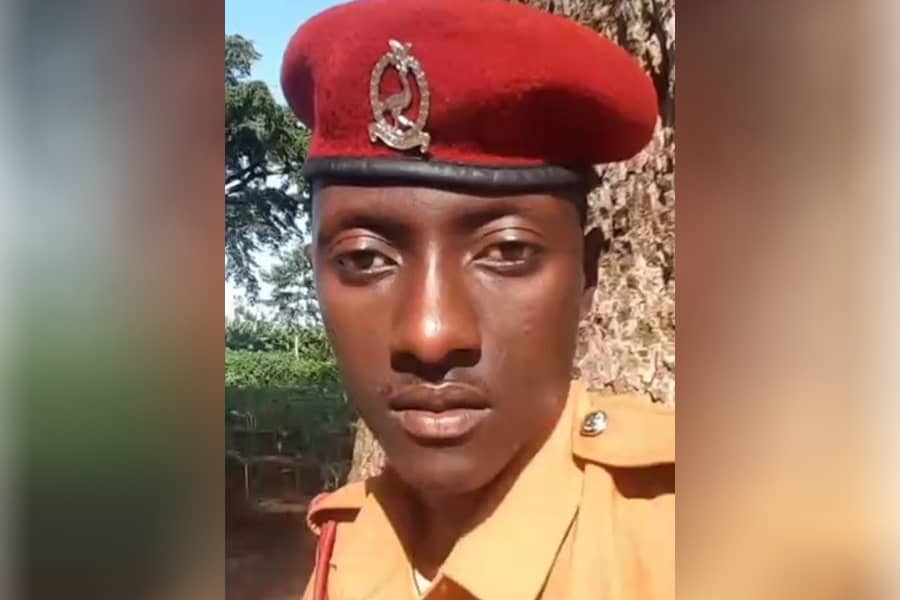
The Prisons Council issued a directive on December 17, 2025, confirming that Ampe — widely known online by the alias @COP Ampe — was removed from service effective December 9, 2025. The council cited violations of the Uganda Public Service Code of Conduct and UPS Standing Orders, which bar uniformed officers from engaging in partisan politics or publicly disparaging government officials while in service.
According to official communication, Ampe was ordered to hand over all government property in his possession, with a formal dismissal letter to follow. UPS spokesperson Frank Baine described his social media posts as “gross indiscipline,” asserting that public officers must refrain from political activity and unauthorised public commentary on official matters.
Posts That Sparked Controversy
Ampe regularly posted videos on TikTok and X in which he:
Criticised the ruling National Resistance Movement (NRM) and its leadership, including claims of corruption and poor governance.
Accused his own supervisors of human rights abuses against inmates and lower-ranking officers.
Alleged that political rallies organised by the ruling party rely on giveaways like food and clothing to attract crowds.

In several posts, he also openly supported Robert Kyagulanyi Ssentamu — better known as Bobi Wine, the opposition National Unity Platform (NUP) presidential candidate — and shared content that was seen as favouring the opposition’s campaign ahead of the January 15, 2026 elections.
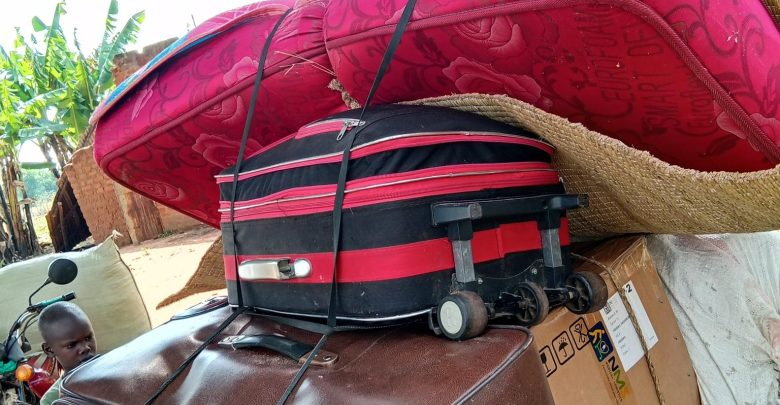
After his dismissal became public, Ampe shared clips of himself collecting his belongings, even showing them strapped to a motorcycle (“boda boda”), and posted messages urging Ugandans to “remain focused on change” and to “let go of fear” in the pursuit of political freedom and accountability.
Political Reactions and Broader Debate
Opposition figures have condemned Ampe’s dismissal as selective enforcement of the rules and evidence of political bias within state institutions. In a widely reshared statement on X, Bobi Wine framed the sack as punishment for exposing corruption and abuses in the prisons system, arguing that similar criticisms from those supportive of the ruling party often go unsanctioned.
“There is a clear double standard when security officers loyal to the ruling establishment publicly express partisan support without consequence,” the opposition leader wrote. “An NUP government will reform the security sector to protect, not punish, patriotic public servants like Ampe.”
Supporters of Ampe see the case as part of a broader struggle over free speech and political expression in Uganda, particularly as the country heads into a closely watched election. Critics argue the incident highlights tensions between laws designed to maintain neutrality in uniformed services and the citizen-rights of those same officers to speak on national issues.
Why It Matters
Political Freedom vs. Institutional Neutrality: This case underscores the tightrope public servants in Uganda must walk between expressing personal political views and adhering to strict neutrality rules. Ampe’s sacking raises questions about how those boundaries are enforced, especially in an election year.
Free Speech in the Digital Age: As social media becomes an increasingly powerful platform for civic engagement, the dismissal highlights the risks faced by government employees who use personal channels to broadcast critical or partisan views.
Election Context: With Uganda preparing for presidential elections on January 15, 2026, incidents involving state security personnel and political expression take on heightened significance, potentially affecting public trust in election fairness and institutional impartiality.
What to Watch
Legal and Policy Backlash: Follow reactions from civil liberties organisations and legal experts on whether this dismissal prompts calls to revisit Uganda’s rules on political activity by uniformed personnel.
Social Media Response: Monitor how Ampe’s substantial online following reacts in the run-up to the elections — his case has already amplified discussions on TikTok, X and other platforms.
Election Developments: Given the proximity to the presidential election, any similar incidents involving security personnel will be closely scrutinised for political motivations or implications.
Statements from UPS & Government: Look for official statements or clarifications from the Prisons Service or relevant ministries outlining their position on political neutrality and acceptable conduct.