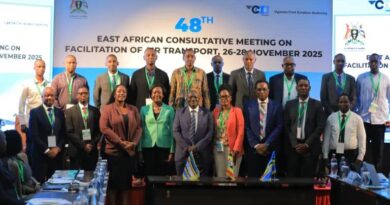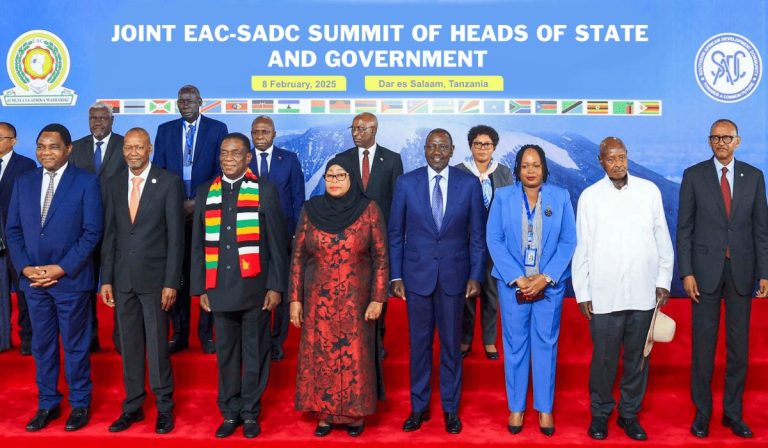
East African Leaders Move Toward Unified Security Strategy Amid Rising Regional Tensions
By The Urban Gazette Regional Desk
Nairobi , Kenya
East African leaders are intensifying efforts to develop a coordinated regional security strategy as cross-border conflicts and humanitarian crises increasingly threaten stability across the region.
Diplomatic sources indicate that discussions among regional blocs, including the East African Community and IGAD, are centered on intelligence sharing, joint military coordination, and diplomatic engagement to prevent conflicts from spreading across borders.
The renewed push comes as violence in eastern DRC, instability in Sudan, and extremist threats in the wider Horn of Africa strain national security systems and humanitarian resources.
Regional Context
East Africa’s security challenges are deeply interconnected. Armed groups often operate across borders, exploiting gaps in coordination between states. Analysts argue that fragmented responses have undermined past peace efforts and allowed instability to persist.
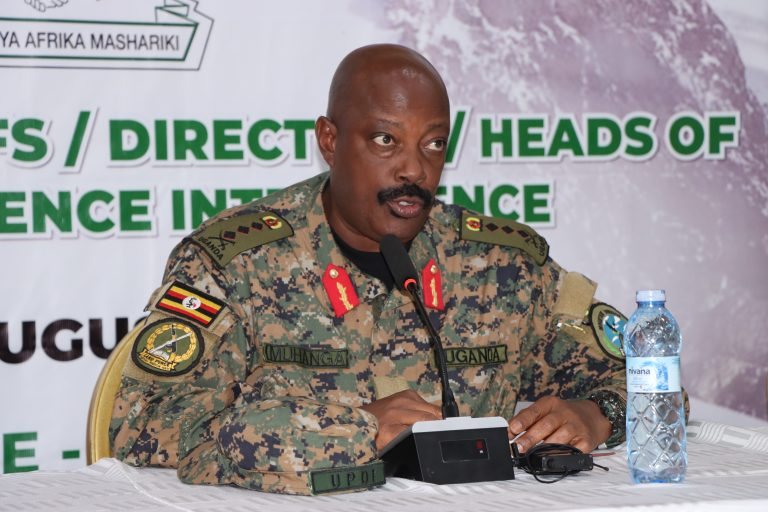
Regional leaders are now emphasizing collective responsibility, with proposals including:
Joint border patrols
Shared intelligence platforms
Coordinated humanitarian responses
Why It Matters
A unified security strategy could significantly reduce the risk of conflict spillover, protect vital trade corridors, and stabilize investment and tourism across East Africa.
Without coordination, experts warn, localized conflicts could evolve into broader regional crises with severe economic and humanitarian consequences.
What to Watch
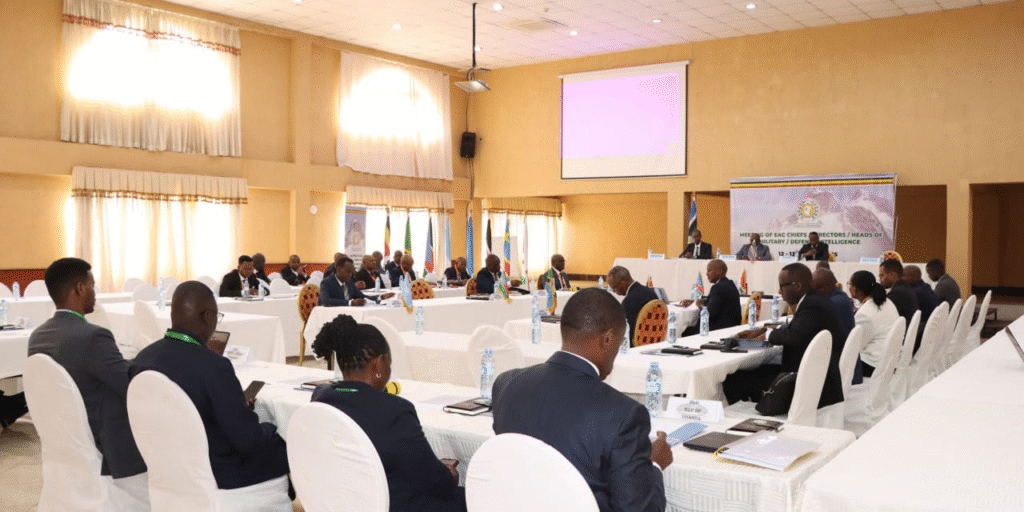
Formal announcements of joint security initiatives
Funding and troop commitments from member states
Involvement of the African Union and international partners
Public and civil society responses