Uganda Land Commission launches Government Land Digital Inventory System
Kampala, Uganda
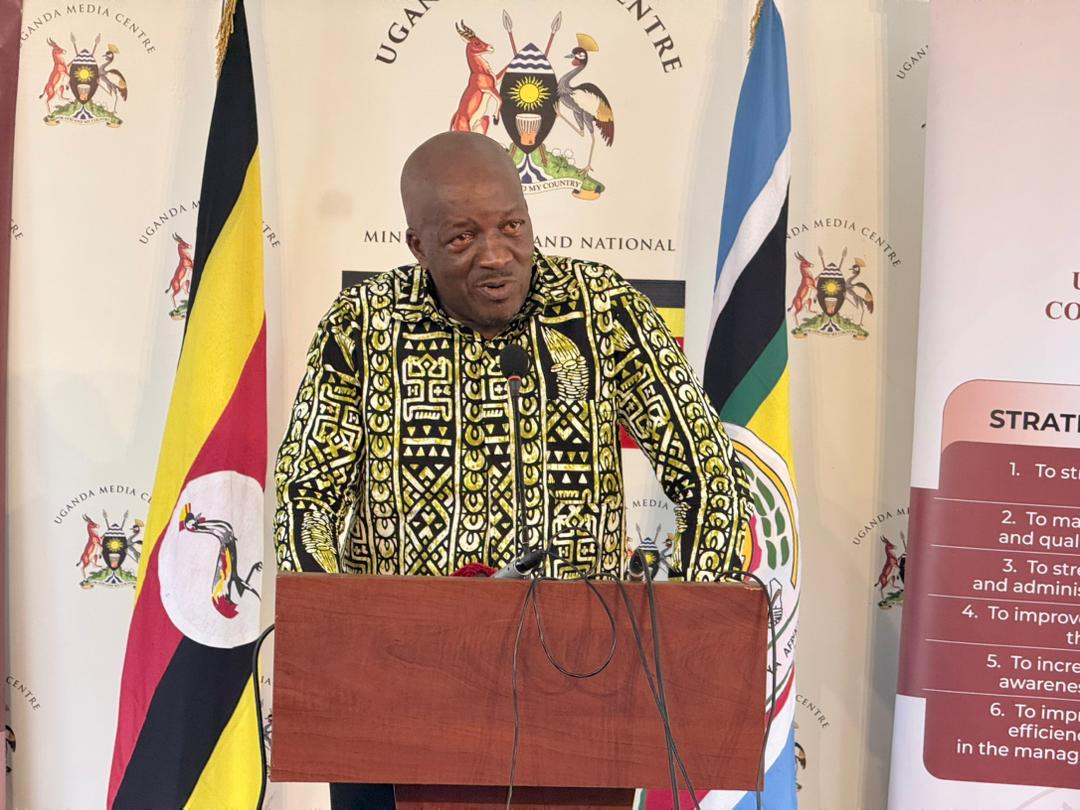
The Uganda Land Commission has launched a government land Digital inventory system intended to improve documentation and management of land owned by the state, as Commission officials addressed the Media Monday 15th December 2025 at Uganda Media Centre in Kampala.
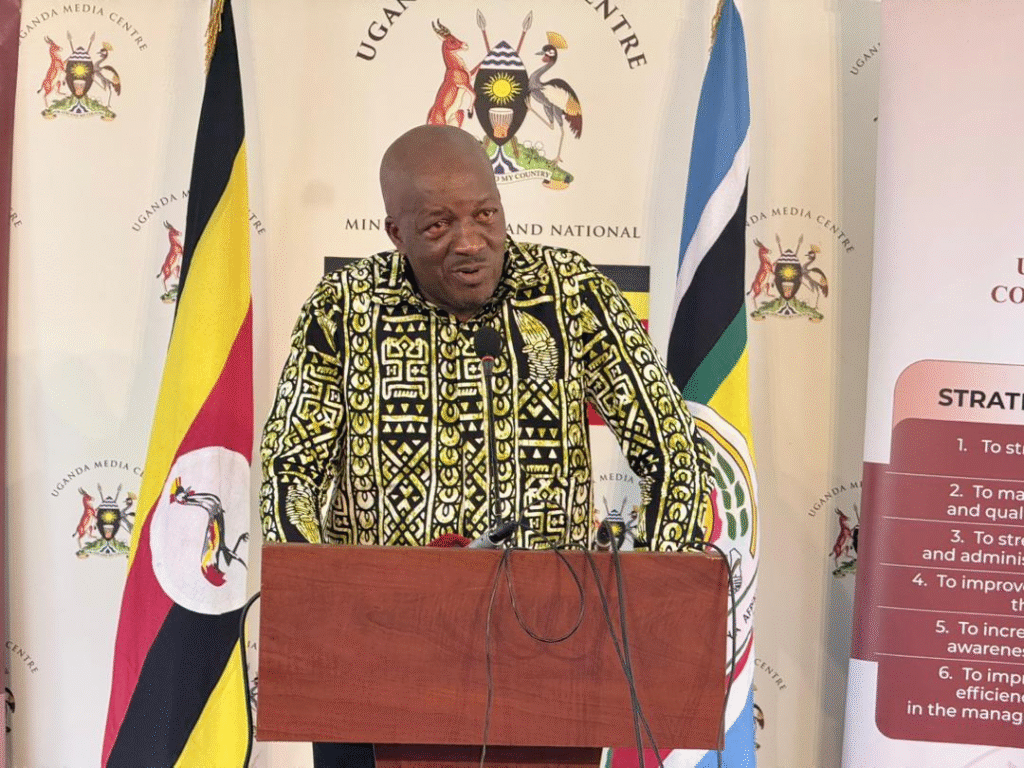
Speaking at the briefing, Commissioner John Fisher Kasenge said the system is designed to consolidate information on government land into a single reference point to support planning, verification and protection of public property.
“The purpose of this inventory system is to enable government to know what land it owns, where that land is located and its current status,” Kasenge said. “Without a clear inventory, it becomes difficult to manage and protect government land effectively.”
Kasenge explained that the system will contain details such as location, size, institutional ownership and available documentation for land held by ministries, departments and agencies. He said the inventory will be updated progressively as verification and mapping exercises continue across the country.
“This is a structured process,” he said. “The inventory will be informed by physical verification, existing records and coordination with relevant government institutions.”

According to Kasenge, the absence of a consolidated inventory has previously created challenges in land administration, including overlaps in institutional claims and difficulties in defending government land during disputes.
“When information is fragmented, it creates room for confusion and conflict,” he said. “A central inventory helps reduce these challenges by providing clarity.”
He emphasised that the system is an administrative tool and does not in itself determine ownership disputes, noting that any issues arising will be handled in accordance with the law.

“The inventory does not replace legal processes,” Kasenge said. “It supports decision-making and proper record-keeping within the framework of existing laws.”
The Commission said it will continue to work with the Ministry of Lands, Housing and Urban Development, district land offices and other stakeholders to ensure the inventory supports broader land management reforms.
Why it matters
Government land supports public infrastructure, service delivery and institutional operations. A central inventory system improves record-keeping, coordination and transparency, which are essential for effective land administration and long-term planning.
What to watch
Attention will focus on how quickly the inventory is populated with verified data and how it is integrated into day-to-day government land management. Stakeholder coordination and sustained technical support will be key to its effectiveness.