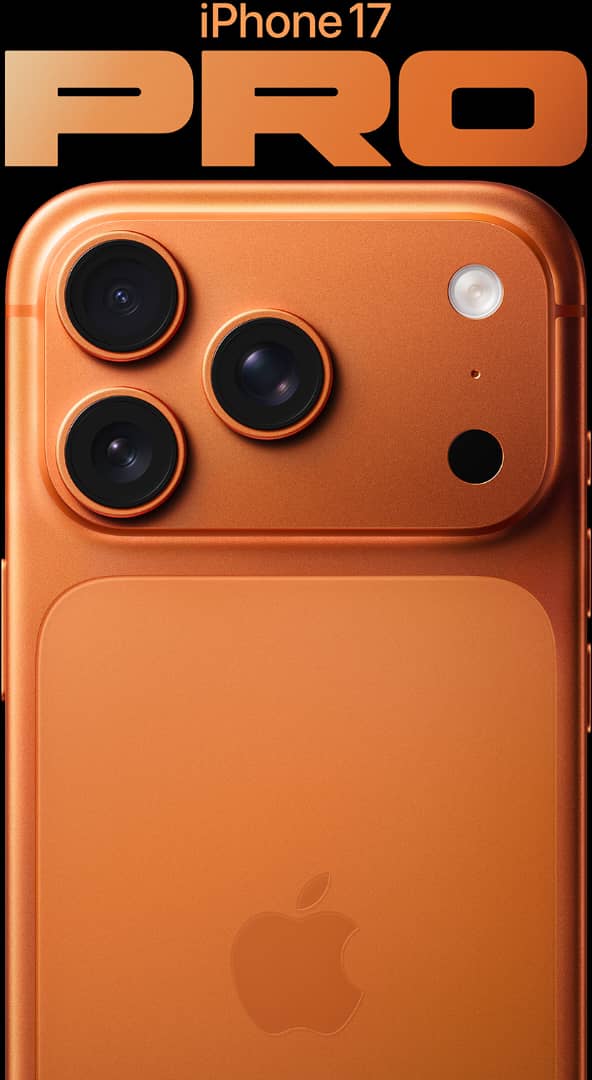
Apple Unveils First Images From iPhone 17 Xpan Camera System
A new era of mobile photography as Apple pushes boundaries with panoramic computational imaging
By Urban Gazette Tech Desk
Cupertino , California
Apple has released the first official sample photographs captured with the iPhone 17 Pro Max’s new Xpan Camera System, giving consumers, photographers, and analysts their most detailed look yet at the company’s most ambitious imaging technology. The Xpan System — named after the panoramic photographic format — marks the biggest redesign of Apple’s camera architecture in more than five years and sets the stage for a new generation of computational photography.
The photos, published on Apple’s newsroom portal and distributed to major technology journalists Wednesday morning 9th.December 2025, reveal dramatic enhancements in color accuracy, edge-to-edge detail, low-light clarity, and ultra-wide panoramas. Analysts say Apple’s move is intended to reclaim dominance in high-end mobile photography after increasing pressure from Samsung, Google, and Huawei.

A Panoramic System Years in the Making
At its core, the Xpan Camera System introduces a new 48-megapixel multi-aspect-ratio sensor, a redesigned periscope telephoto unit, and an upgraded LiDAR engine that uses real-time scene mapping to improve stability and exposure.
The most anticipated feature, however, is Xpan Mode, which captures sweeping cinematic images in a native 65:24 aspect ratio — a feature reminiscent of vintage Hasselblad Xpan film cameras. Apple says the mode is powered by an entirely new “AI Photonic Engine” capable of merging up to 200 micro-frames per shot.
“The iPhone 17 Pro Max is the most powerful imaging tool we’ve ever built,” said Apple Senior VP of Hardware Engineering John Ternus. “With Xpan Mode, we are redefining what’s possible in the palm of your hand.”
Early Reactions: ‘A Cinematic Leap’
Tech reviewers given early access to the sample images described the results as “a cinematic leap,” with some calling it Apple’s strongest photographic upgrade since the iPhone 11. Several photography influencers noted that Apple’s new high-dynamic-range algorithm produces film-like tones with “depth and dimensionality never before seen on a smartphone.”
Landscape photographers praised the panoramic mode, while videographers highlighted improved shadow performance and motion stabilization.
“Apple clearly wants to dominate narrative photography again,” said Paris-based photographer Hana LeCoeur. “These sample images already look like the output of a mid-range mirrorless camera.”

Competition Intensifies
The smartphone camera arms race has grown increasingly aggressive since 2023, with Samsung pushing 200-megapixel sensors and Huawei focusing heavily on optical periscope technology. Apple, instead of chasing resolution numbers, is doubling down on computational processing — betting on software-driven realism over hardware brute force.
Industry analysts believe the Xpan System is Apple’s response to the rising popularity of cinematic storytelling on social media platforms like TikTok, Instagram Reels, and YouTube Shorts.
Why It Matters
Apple reclaims ground in the increasingly competitive smartphone camera market.
Social creators and journalists gain a powerful new tool for on-the-go content.
Computational photography continues to overshadow traditional megapixel metrics.
What to Watch
Real-world performance once the iPhone 17 ships globally next week.
Whether Samsung or Huawei respond with their own panoramic or AI-enhanced systems.
Adoption by filmmakers, content creators, and journalists in the field.