Cost of Living Pressures Mount in Uganda as Food and Fuel Prices Strain Urban Households
Kampala, Uganda
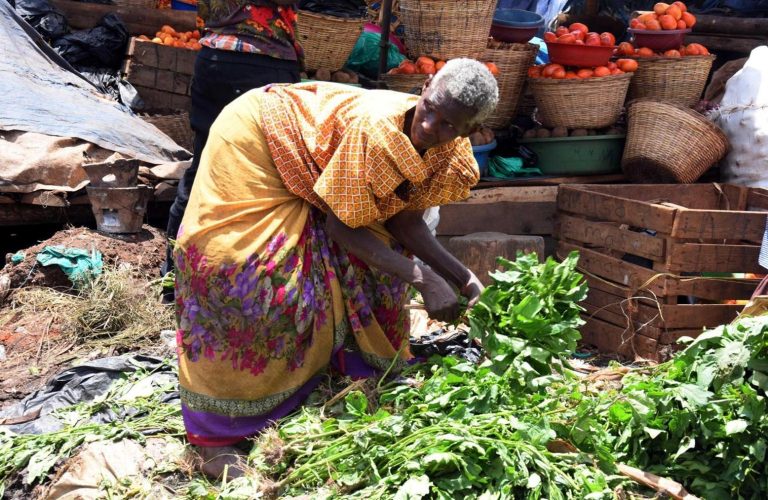
Urban families across Uganda are spending a growing share of their income on food, transport, and utilities as the cost of basic goods continues to rise.
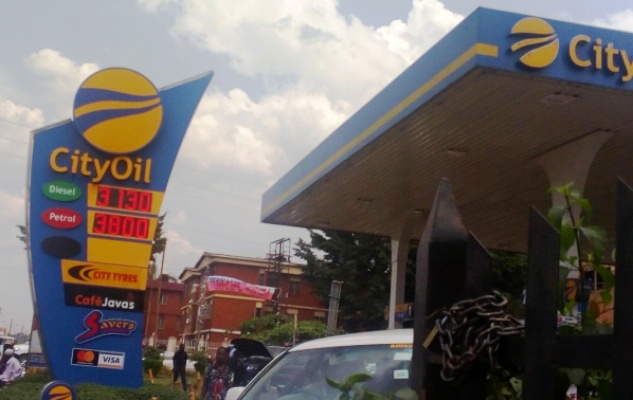
Market surveys show increased prices for staple foods such as posho, beans, rice, and cooking oil. Fuel prices have also remained high, affecting boda-boda riders, taxi operators, and public transport fares.
Workers report that wages have not kept pace with inflation, forcing many households to reduce meal sizes, delay medical care, or pull children from private schools.
Economists attribute the trend to global fuel prices, currency pressures, supply-chain disruptions, and domestic tax structures.
Why it matters:
Rising living costs deepen inequality and reduce economic mobility. They also increase social tension in urban areas where employment is largely informal and incomes unstable.
What to watch
Bank of Uganda interest rate decisions
Government fuel and food subsidy debates
Urban poverty and job market trends
Global oil prices
Regional food security outlooks across East Africa